
Last updated November 2, 2026
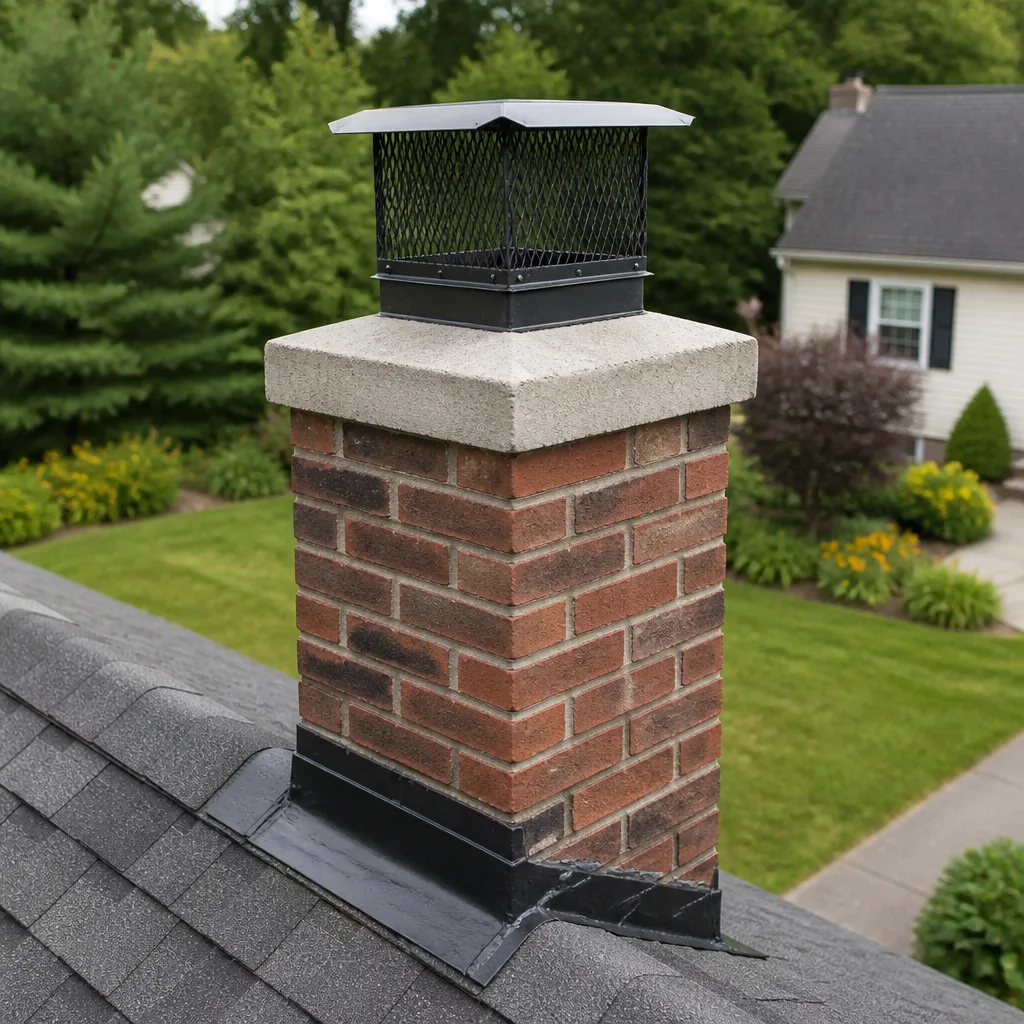 Sweep & inspection
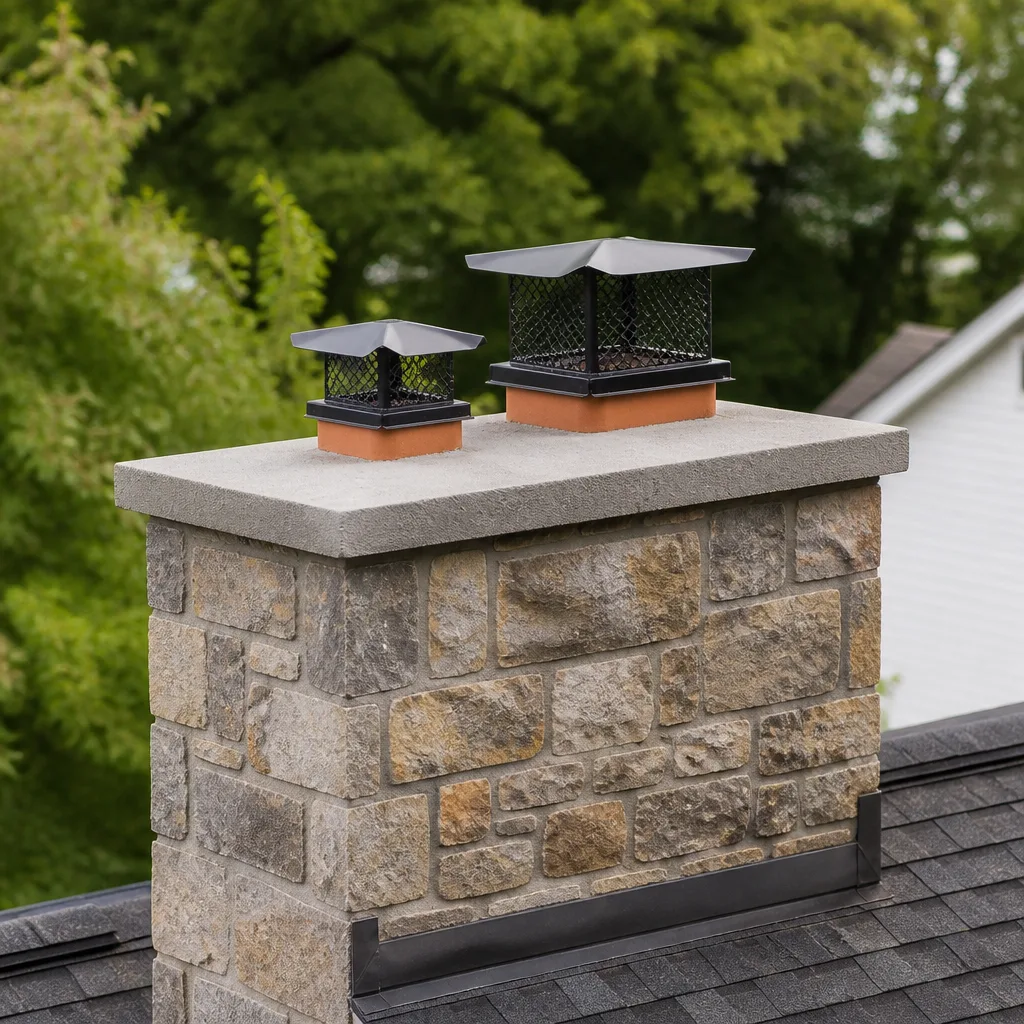 Caps & crowns
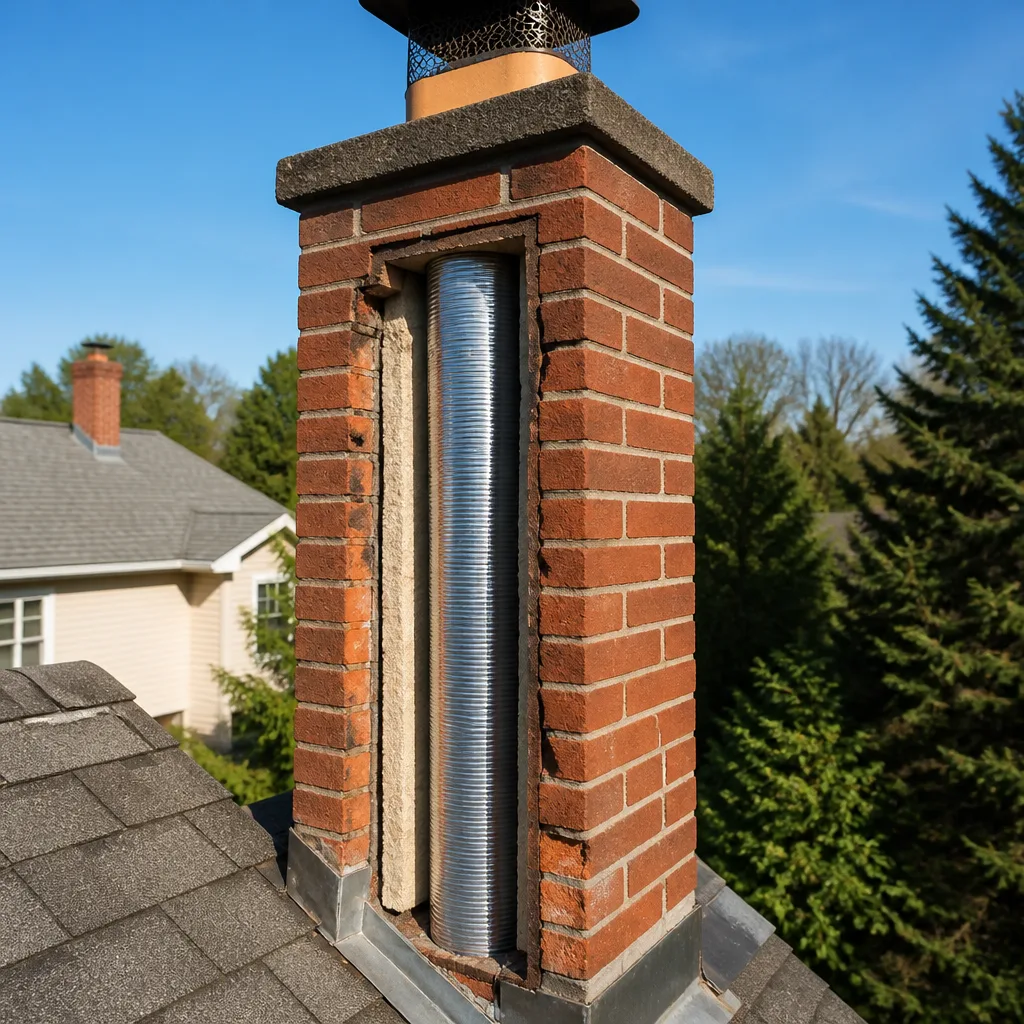 Flue relining
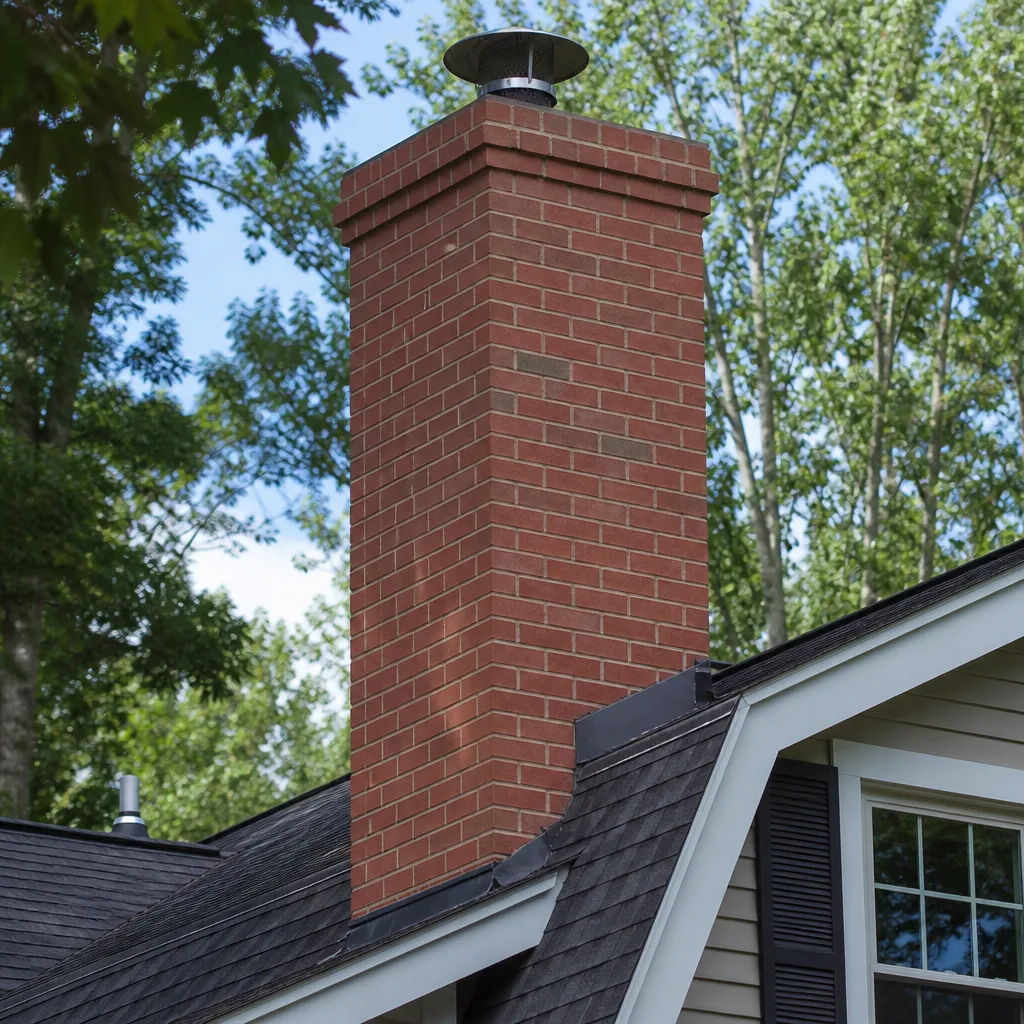 Masonry repair
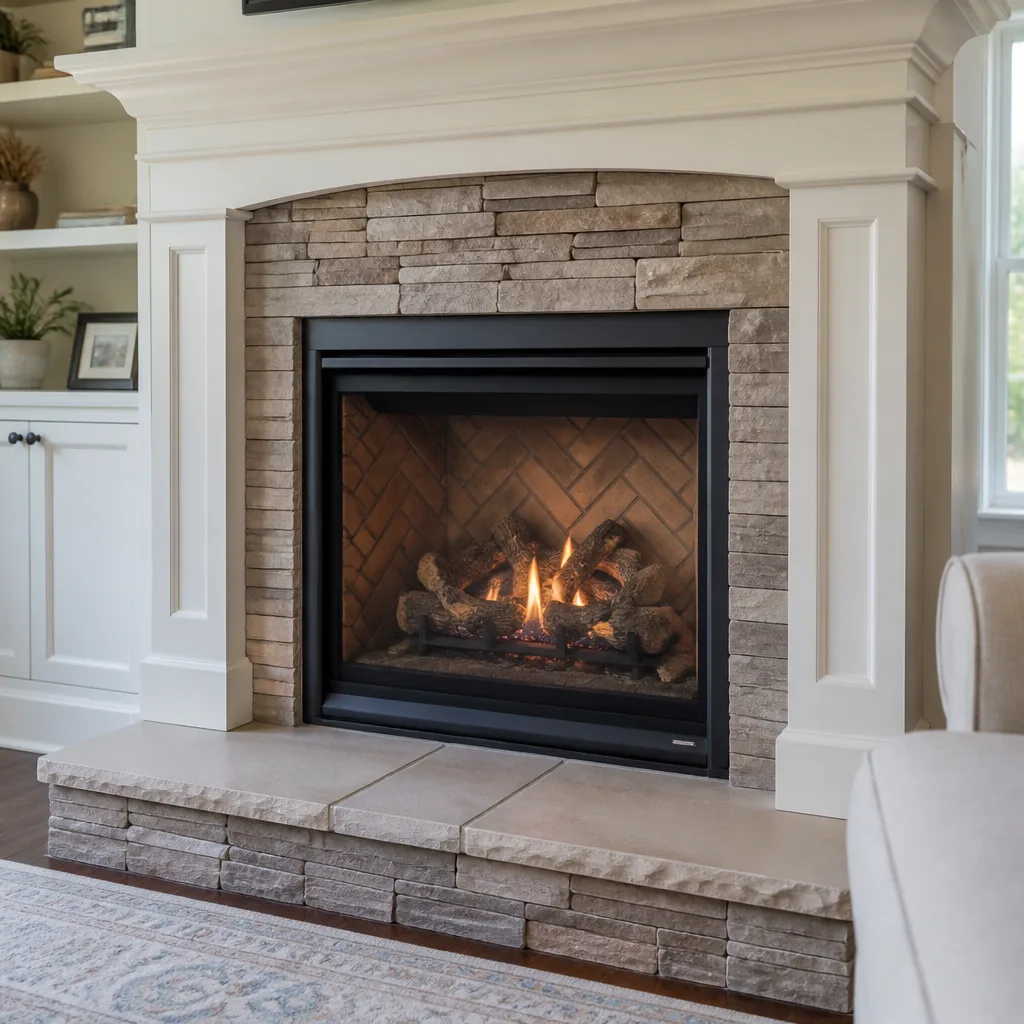 Gas fireplace service
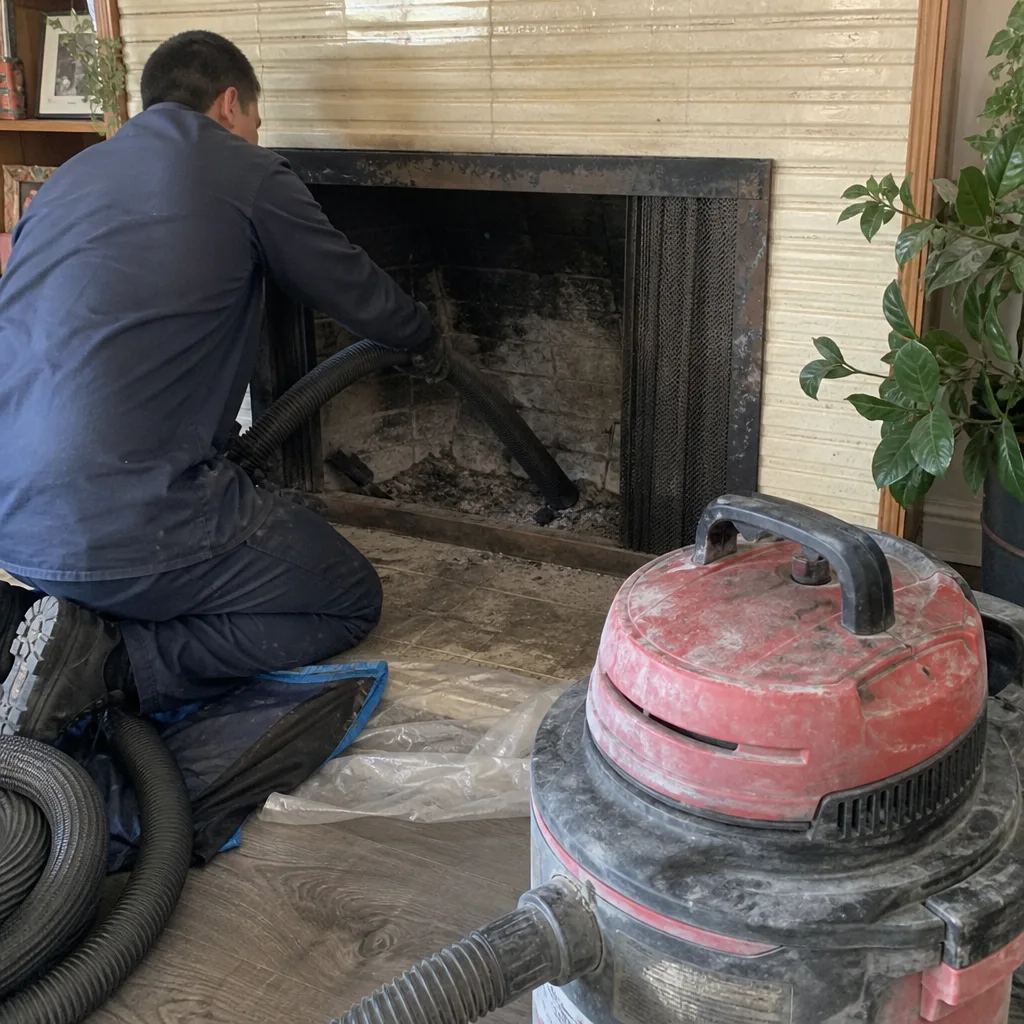
Level 1 sweep and inspection to the NFPA 211 annual standard - flue, crown, cap, and flashing checked and photographed
Chimney sweep logs do not sweep chimneys. They loosen some creosote - which then falls where a brush and vacuum still have to collect it.
Seasonal Chimney Cleaning Care for Northridge: Year-Round Homeowner’s Guide
The standard advice to “schedule your sweep before winter” was written for New England burn patterns, where a chimney sits under snow for five months. In Northridge, where the highest wildfire ember risk hits in October and peak burn season barely lasts eight weeks, following that timeline often means your chimney goes into its busiest period without preparation. This guide breaks down what each Northridge season actually does to your chimney components, when specific maintenance tasks should happen, and how to use the off-season productively so you’re never scrambling when the Santa Anas arrive. For Chimney Cleaning Emergency Preparedness Guide for Northridge Homes, see our dedicated resource.
Styles & brands we work with
- Sweep & inspection
- Caps & crowns
- Flue relining
- Masonry repair
- Gas fireplace service
Quick Answer
Seasonal chimney care in Northridge means scheduling your primary sweep and inspection in late summer (August to early September) before ember season and the brief winter burn window, checking mortar and flashing again in spring after thermal cycling stress, and using the hot summer months for repairs, liner inspection, and damper service when the fireplace sits idle. Review our Chimney Cleaning Permits, Codes & Inspections in CA: What You Need to Know before scheduling. Fall is the highest-risk period for ember intrusion from wildfires, so cap screening with proper mesh specifications matters as much as a clean flue.
Table of Contents
- Why Northridge Seasons Don’t Match the Standard Chimney Calendar
- Month-by-Month Chimney Care Calendar for Northridge
- Fall: Ember Intrusion and the Cap Screening Specifications That Matter
- Winter: Managing the Brief Burn Season Safely
- Spring: Thermal Cycling, Mortar Degradation, and Post-Rain Inspection
- Summer: Idle Chimney Maintenance in 95°F+ Heat
- Using the Off-Season for Repairs That Don’t Disrupt Burning Season
- Common Mistakes to Avoid
- When to Call a Professional
- Frequently Asked Questions
- The Bottom Line
Why Northridge Seasons Don’t Match the Standard Chimney Calendar
Northridge sits in the western San Fernando Valley, where the climate splits into four distinct periods that have little in common with the Northeast’s four seasons. We don’t get a slow autumn cooldown followed by a long, cold winter. We get a dry, hot summer that stretches into October, a fall defined by Santa Ana wind events, a short winter burn window that runs roughly from mid-November through late January, and a spring that swings between overnight lows in the 40s and daytime highs in the 80s within a single week. Each of those periods stresses chimney components differently.
Here’s what we’ve seen across hundreds of chimneys in Northridge neighborhoods like Sherwood Forest, Balboa Highlands, and the homes east of CSUN:
- Summer (June through September): Sustained 95°F+ temperatures bake the exterior masonry, causing repeated thermal expansion of the chimney crown, cap, and flashing. Hairline cracks in the crown widen. Flashing sealant degrades faster than in coastal areas.
- Fall (October through mid-November): Santa Ana winds drive embers from surrounding wildland areas into residential chimneys. If your spark arrestor mesh is damaged, corroded, or improperly sized, your flue becomes a firebox intake during the exact weeks you’re least likely to be monitoring it.
- Winter (mid-November through late January): The burn window is short but intense. A fireplace used three or four nights a week for eight weeks deposits creosote faster than many homeowners expect, especially if the wood is not fully seasoned.
- Spring (February through May): Overnight lows drop into the 40s while daytime highs climb past 80°F. This daily thermal cycling causes mortar joints to expand and contract repeatedly, accelerating the spalling and joint separation that lead to leaks and liner exposure before summer begins.
That means the generic “sweep once a year in fall” advice leaves two gaps in Northridge. It misses the pre-ember-season inspection in late summer, and it ignores the spring mortar check that catches damage before it compounds through the hot months. A seasonal care calendar built around those actual conditions does more practical work than any one-size-fits-all schedule.
Month-by-Month Chimney Care Calendar for Northridge
Here’s a working calendar we recommend to homeowners in Northridge. Adjust by a week or two depending on weather, but the sequence matters more than the exact date.
- Late July to mid-August: Book your annual sweep and Level 1 inspection. This puts the work before ember season, not after it starts. The flue gets cleaned, the spark arrestor gets checked, and any cap damage from the previous year’s heat gets identified.
- September: Verify your chimney cap and spark arrestor mesh are intact. If you burn wood, check that the damper opens and closes fully and the firebox isn’t holding debris from summer. This is also the right time to replace a corroded cap before the first Santa Ana event.
- October through mid-November: During Santa Ana wind warnings, keep the damper closed when not in use. If you have a wood-burning fireplace, you can start burning, but monitor creosote buildup on glass doors or the damper plate. If you notice a tar-like glaze forming, schedule a mid-season sweep rather than pushing through the full burn season.
- Mid-November through late January: Burn seasoned hardwoods only. Never burn pine, construction scrap, or wrapping paper. After the burn season ends, leave the damper slightly open for a day to allow the flue to return to ambient temperature gradually, then close it.
- February: Inspect the exterior mortar, crown, and flashing yourself. Look for hairline cracks in the crown, gaps between mortar joints, and flashing that has pulled away from the roofline. These are the first signs of spring thermal cycling damage.
- March through April: If you noticed any cracks or gaps in February, schedule a professional inspection now. Repairs done in March or April have three months to cure fully before the summer heat hits. This is also the ideal window for a Level 2 camera inspection if you suspect liner deterioration.
- May through June: Schedule any liner repair, crown resurfacing, or flashing replacement. The chimney sits idle during these months, so the work is non-disruptive. Materials like HeatShield resurfacing compound cure best when temperatures are warm but not punishing, making May and early June the sweet spot.
- July: Check the chimney cap and flashing for thermal expansion signs after the first major heat waves. If the cap sits loosely or the flashing looks warped, address it before it becomes a leak point during the next rain season.
This sequence accounts for the two Northridge-specific variables most generic calendars ignore: Santa Ana ember intrusion in fall and thermal cycling stress in spring.
Fall: Ember Intrusion and the Cap Screening Specifications That Matter
Fall in Northridge is not a gentle prelude to winter cold. It’s the peak of wildfire season, and the Santa Ana winds that drive fires in the surrounding foothills also drive embers miles ahead of the fire line. A chimney without a proper spark arrestor doesn’t just draft smoke out; it can act as an intake for airborne embers during high-wind events.
Here’s what actually matters when evaluating whether your chimney cap and spark arrestor are up to the job:
- Mesh size: The industry standard for spark arrestor mesh is 3/4-inch openings, per National Fire Protection Association (NFPA) 211 guidance. Larger mesh allows embers through. Smaller mesh clogs faster with soot and creosote, creating draft problems. If your mesh is damaged, rusted through, or missing sections, embers can pass regardless of the listed specs.
- Material grade: Galvanized steel mesh corrodes faster in the San Fernando Valley’s dry heat-and-smog conditions than stainless steel. A stainless steel spark arrestor resists corrosion longer and won’t rust through between inspections. This is where the cap brand matters. We install caps and covers from Famco and Copperfield, both of which manufacture their mesh and housings from stainless steel rather than coated mild steel.
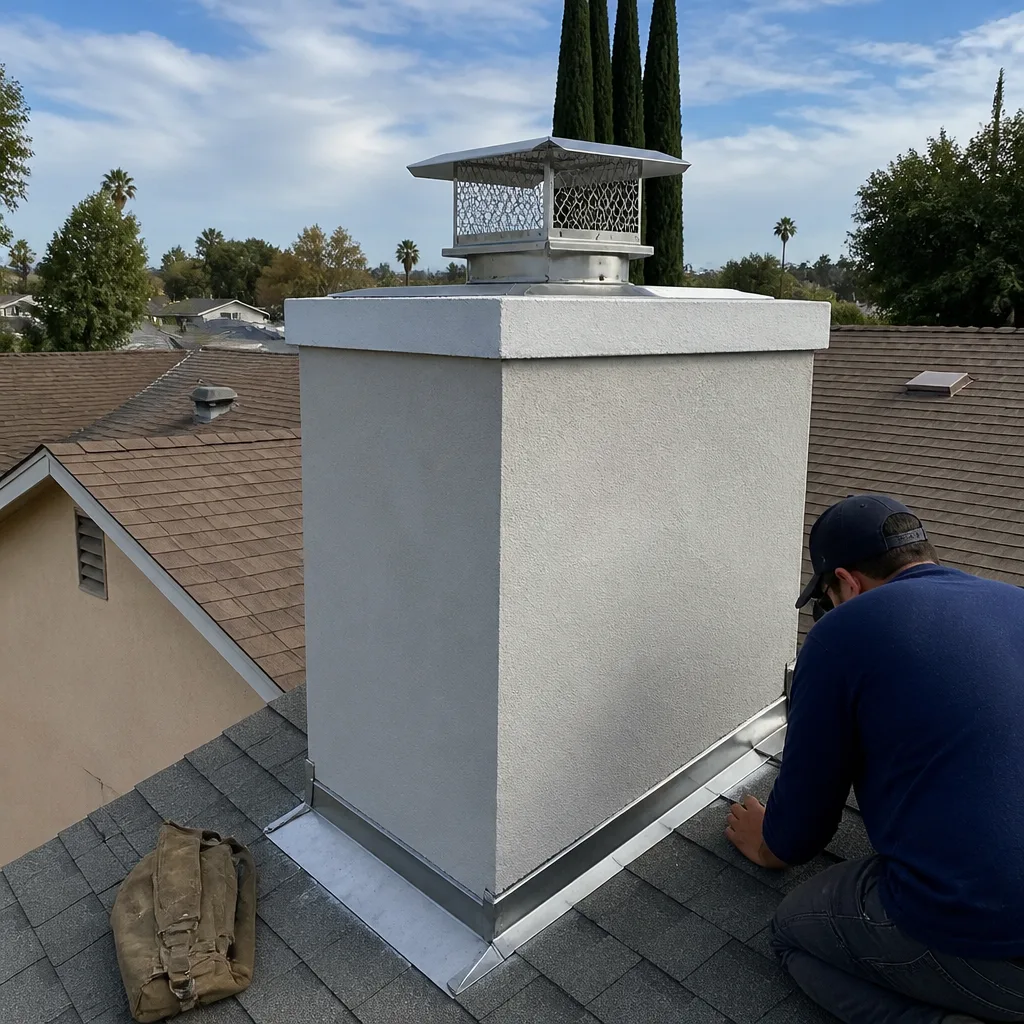
- Cap integrity: The spark arrestor mesh is only as good as the cap frame that holds it. If the cap has shifted, cracked, or pulled away from the flue tile, embers can enter around the mesh rather than through it. Loose caps also admit rain and debris, which compound creosote problems once burning season starts.
If you live in a Northridge neighborhood close to the foothills or with significant tree canopy, ember intrusion risk is higher than in the flat, open streets south of Nordhoff. Regardless of location, if your cap is more than a few years old and you haven’t looked at it up close, fall is the wrong time to find out it’s compromised. Schedule the inspection before October.
Winter: Managing the Brief Burn Season Safely
Northridge’s actual burn season is short. Most homeowners use their fireplaces between Thanksgiving and the end of January, with occasional use continuing into February during cold snaps. But eight to ten weeks of regular burning can deposit as much creosote as a full winter season in colder climates because the fires are often smaller, lower-temperature, and less efficient than long overnight burns.
Creosote accumulates fastest when fires smolder rather than burn hot. Here’s what that looks like in practice in Northridge:
- Burning wood that hasn’t been seasoned for at least six months, which is common when firewood is purchased in November rather than the previous spring.
- Using the fireplace on low-draft days, which are more frequent in the San Fernando Valley’s inversion layer conditions than in windier climates.
- Closing the damper too soon after a fire, trapping warm, moisture-laden air in the flue where creosote condenses on the flue walls.
If you burn wood even a few nights a week, check these three indicators during the season:
- Glass doors (if present): A brown, flaky residue on the glass after a fire is normal. A shiny, tar-like glaze is a red flag for stage-three creosote buildup.
- Smoke behavior: Smoke that enters the room when the fireplace is lit or lingers outside the firebox instead of drawing up the flue signals a draft obstruction, which in winter usually means creosote accumulation.
- Odor: A campfire smell even when the fireplace isn’t burning is often creosote off-gassing, especially during humid or rainy February days.
- Hairline cracks in the chimney crown: The crown is the concrete cap at the top of the chimney. Cracks here admit water directly into the masonry and, once they widen through additional thermal cycling, become a leak path into the attic and living space.
- Gaps between mortar joints: Run your eyes along the mortar lines. If you see daylight through any joint or can fit a putty knife blade into a gap, that joint has failed and needs repointing before the next rain season.
- Spalling brick or stone: Faces of brick that have flaked or popped off are a sign of water intrusion followed by heat expansion. It’s cosmetic at first, but spalled brick exposes softer interior material that wears faster.
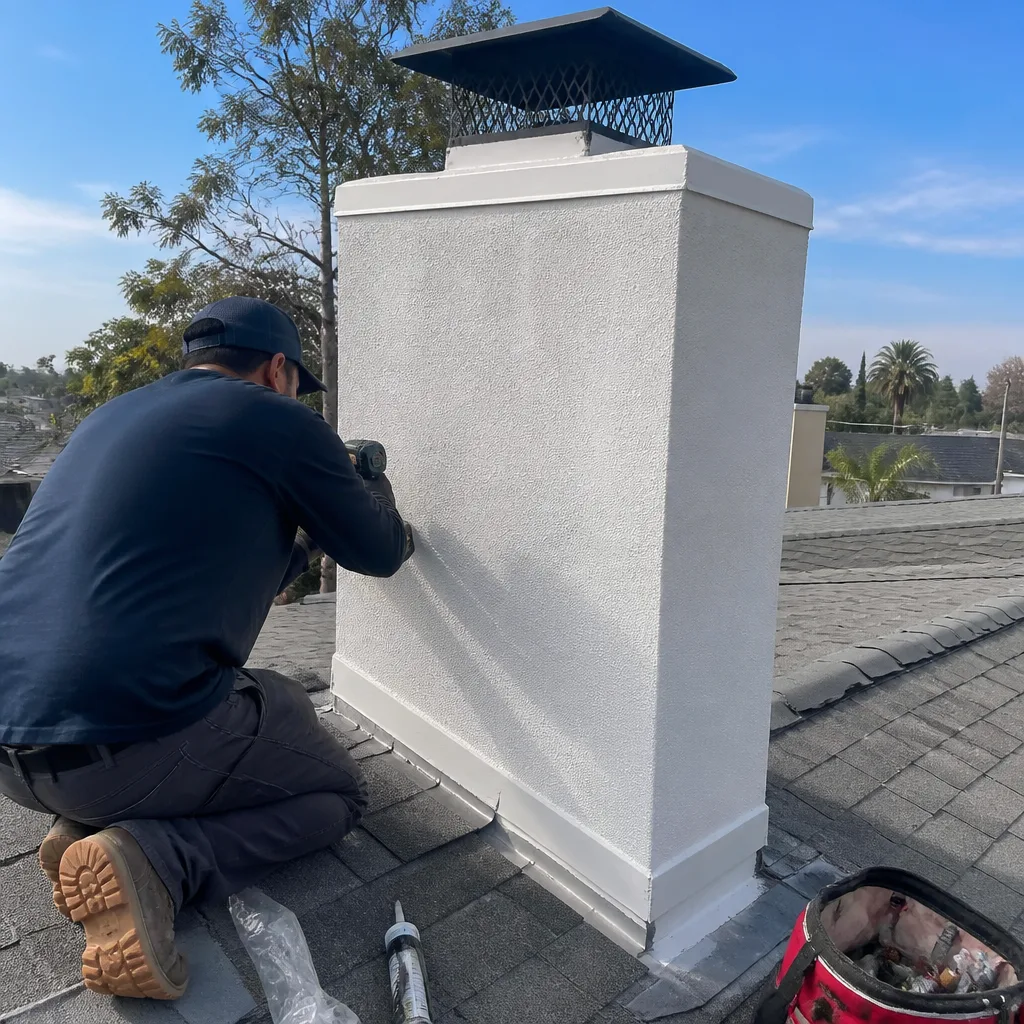
- Flashing separation: The metal flashing where the chimney meets the roofline should sit flat and tight. If wind has lifted it or sealant has cracked, spring is the time to reseal it, before summer heat bakes the gap wider.
- Cap and flashing thermal expansion checks: The top of your chimney sees the full force of summer sun, and the metal components expand measurably. A cap that fits perfectly in January can sit differently in July. Check for looseness, shifting, or gaps around the flue tile. Loose caps admit debris and, once the next burn season starts, create draft turbulence.
- Crown sealant inspection: The crown takes direct UV exposure for six months of the year. Sealant that was applied years ago chalks, cracks, and loses adhesion. A crown that’s white and chalky in July needs resealing before winter rains arrive.
- Damper hardware service: If you have a traditional throat damper, summer is the right time to test and lubricate the hinge and cable mechanism. Damper hardware that seizes in the open position after a summer of disuse can waste heated air during the winter burn season, and a damper that won’t fully close creates a permanent draft into the house.
- Dryer vent inspection: Summer is when dryer runs are shorter and lighter, so the vent isn’t in heavy use. Scheduling a dryer vent cleaning in Northridge during summer means you’re clearing a year of lint buildup before fall laundry loads increase, and it addresses a fire hazard that’s independent of your chimney.
- Flue liner inspection and repair: A Level 2 camera inspection from our chimney repair crew is the definitive way to assess liner condition. Video inspection shows cracks, gaps between flue tile sections, and moisture intrusion points that a visual inspection can’t reach. If the liner shows early-stage deterioration, HeatShield resurfacing can restore the flue interior without full liner replacement. The resurfacing compound bonds to the existing flue and cures best in warm, dry conditions, making late spring and early summer ideal in Northridge.
- Crown repair and resealing: A cracked crown is the most common entry point for water into the chimney’s masonry structure. Repairing it before the rainy season prevents the freeze-thaw damage that’s less common in Northridge but still occurs on rare cold nights, and more importantly stops the thermal cycling damage that would otherwise widen the crack all summer.
- Cap replacement: Replacing a corroded or loose cap with a stainless steel unit from Famco or Copperfield is a same-day job that pays dividends every fall. The right cap with 3/4-inch spark arrestor mesh keeps embers, rain, and birds out while maintaining draft.
- Damper rebuild or replacement: If your damper is warped, rusted, or doesn’t seal fully, rebuilding it during summer means you won’t discover the problem on the first cold night of November when you actually want to use the fireplace.
- Dryer vent cleaning: This is a separate system from your chimney, but it’s under the same roof and carries the same fire-safety stakes. Lint buildup in dryer vents is one of the leading causes of residential structure fires per NFPA data, and summer is the right season to clear it. Since we handle both chimney sweeping and dryer vent cleaning, you can schedule both on the same visit.
- Scheduling the annual sweep in late October or November. By the time most Northridge homeowners think about chimney cleaning, ember season has already started and the sweep is competing for a slot during peak demand. Schedule in August instead.
- Ignoring the spark arrestor mesh because the flue looks clean. A clean flue doesn’t stop embers. The mesh on the cap is the only thing between wildfire embers and your living room, and if it’s rusted, missing, or oversized, it’s not doing its job.
- Burning unseasoned wood purchased in fall. Wood bought at a big-box store in November hasn’t dried enough, no matter what the packaging says. Wet wood smolders, which produces more creosote in less time. Buy or stack wood in spring for the following winter.
- Closing the damper immediately after every fire. The flue stays warm after the fire dies. Closing the damper immediately traps moisture and warmth, which accelerates creosote condensation. Leave it slightly open for a few hours after the last flames.
- Skipping spring inspection because there was no rain damage. Thermal cycling cracks mortar even in dry weather. By the time the crack is visible from the ground, it’s been widening for months. A spring check catches it early.
- Letting a small cap problem go until next fall. A loose or slightly corroded cap gets worse every month it’s exposed to sun and wind. The repair is quick and cheap relative to the damage an ember intrusion or water leak can cause once the cap finally fails.
- Assuming a gas fireplace doesn’t need annual service. Gas burners still clog, venting still degrades, and carbon monoxide risk still exists. Annual inspection applies regardless of fuel type.
For gas inserts and gas log sets, winter care is different. Soot buildup is less of a concern, but burner ports clog with dust and spider nests over summer, and the venting system still needs an annual inspection. A gas chimney that vents improperly because of a damaged liner or blocked cap can introduce carbon monoxide into the living space, which is colorless and odorless until it isn’t.
Spring: Thermal Cycling, Mortar Degradation, and Post-Rain Inspection
Spring is the season most Northridge homeowners overlook for chimney care, and it’s the one where the most structural damage begins. The San Fernando Valley’s spring pattern of overnight lows in the 40s and daytime highs in the 80s creates daily thermal cycling that stresses mortar joints far more than the steady summer heat does.
Here’s the mechanism: mortar and brick expand as they warm and contract as they cool. When the temperature swing is 40°F or more in a single day, as it often is in Northridge between February and May, the mortar joints flex thousands of times over the course of the season. Older mortar, mortar that’s already weakened by years of UV exposure, and mortar joints that were originally mixed too rich in Portland cement (common in post-war Northridge construction) begin to crack, spall, and separate from the brick.
What to look for on the exterior of your chimney in spring:
If you see any of these conditions, schedule a professional inspection before summer. Repairs done in March or April have time to cure and settle before the 100°F days arrive in June and July, when mortar and sealant cure too quickly and lose bond strength.
Summer: Idle Chimney Maintenance in 95°F+ Heat
In most of the country, summer is peak chimney repair season because the chimney is dry and the weather is cooperative. In Northridge, the same logic applies, but the math changes. Once daytime temperatures regularly exceed 95°F, some repair materials become harder to work with. Sealants skin over too fast. Mortar cures before it bonds. Thin sections of repair compound dry unevenly and crack.
That doesn’t mean summer is a dead season for chimney work. It means the type of work shifts:
The core principle: don’t wait until you want to light the first fire of fall to look at your chimney. Summer is the inspection window, not the burn window, and the work done in July and August is what makes October and November safe.
Using the Off-Season for Repairs That Don’t Disrupt Burning Season
The most productive way to think about Northridge’s warm months is as a construction window. The chimney sits idle, the flue is dry, and any repair work has time to cure under controlled conditions before the next cycle of ember intrusion, burning, and thermal stress begins.
Here are the repairs that make sense to schedule between March and September:
What makes this approach work is single-source accountability. The company that inspects your chimney is the same one that repairs it, using the same branded materials throughout, whether that’s a HeatShield liner restoration, a copper or stainless steel Copperfield cap, or a DuraFlex liner for a full reline when it’s genuinely needed. No subcontractors, no second opinions required to interpret the first one.
Common Mistakes to Avoid
When to Call a Professional
Some chimney care tasks are homeowner-level: checking for visible cracks from the ground, testing the damper, keeping the firebox clear of debris. Others require training, equipment, and an understanding of what you’re looking at. Call a professional if you see cracked or spalled masonry, if smoke enters the room during a burn, if you notice a strong creosote odor when the fireplace isn’t in use, if your chimney cap is visibly loose or rusted through, or if it’s been more than two years since your last camera inspection of the flue liner. Any suspected carbon monoxide issue is an immediate call for professional evaluation. Chimney Sweep Northridge offers free estimates in Northridge, and we explain what we find, show you why it matters, and fix it with materials built to last. Call (833) 589-9223 to schedule.
Frequently Asked Questions
If you burn wood, sweep annually before the burn season starts, which in Northridge means August or early September rather than late fall. If you burn more than three times per week throughout the winter, check creosote levels mid-season and sweep again in January if stage-two or stage-three buildup is present. If you have a gas fireplace, annual inspection is still recommended even though sweeping is less frequent.
Yes, and it’s non-negotiable during fall wildfire season. The spark arrestor mesh should be 3/4-inch stainless steel per NFPA 211 guidance. Galvanized mesh corrodes faster in the Valley’s heat and smog, and oversized or damaged mesh allows embers through. If your cap is rusted, loose, or missing mesh sections, replace it before October.
Creosote accumulates inside the flue. Stage-one creosote is flaky and brushable. Stage-two is a brittle, shiny deposit. Stage-three is a hardened tar glaze that can ignite inside the flue and burn at temperatures that crack flue tiles and spread to surrounding framing. In Northridge’s short burn season, the progression from stage one to stage two happens faster than in longer, colder burn seasons because fires are smaller and lower-temperature, producing more incomplete combustion.
Spring in Northridge brings the widest daily temperature swings in the San Fernando Valley, with lows in the 40s and highs in the 80s. That thermal cycling expands and contracts masonry repeatedly, and hairline cracks in the crown or mortar joints widen through the season. Inspecting in February or March catches these issues before summer heat bakes them into larger fractures and before the next rain season turns them into leaks.
Yes, and summer is the correct season for most repairs in Northridge because the chimney sits idle and the flue is dry. The exception is extreme heat days above 100°F, when some sealants and mortar products cure too quickly. May and early June are the best months for HeatShield liner restoration, crown resurfacing, and cap replacement. July and August are better suited to inspections and damper service.
Chimney sweeping in Northridge typically ranges from $150 to $300 depending on chimney height, accessibility, and creosote level. See our full Chimney Cleaning Cost Breakdown: The Northridge Homeowner’s Reference for 2026 for detailed pricing factors. Camera inspection for liner condition runs additional. The exact quote depends on what the sweep finds, which is why we inspect first and explain what we see before any work is priced. Call (833) 589-9223 for a free estimate on your specific chimney.
The Bottom Line
Northridge doesn’t have four symmetrical seasons, and your chimney care shouldn’t follow a generic calendar built for a different climate. The pattern that works here is simple: sweep and inspect in late summer before ember season, burn safely through the short winter window while monitoring creosote, inspect mortar and flashing in spring when thermal cycling does its worst, and use the hot idle months for repairs, liner work, and damper service. If you follow that sequence, your chimney is prepared for every condition the San Fernando Valley throws at it, from Santa Ana ember intrusion to 100°F thermal expansion, and you’ll never be the homeowner scrambling to book a sweep in the same week the first fire warning hits. Whether you need a full chimney sweep in Northridge, a cap replacement, or a HeatShield liner assessment, one call covers the entire scope of chimney care. Call (833) 589-9223 for a free estimate.
Written by the team at Chimney Sweep Northridge, serving Northridge since 2012. Browse more guides & resources on our blog.
See the difference
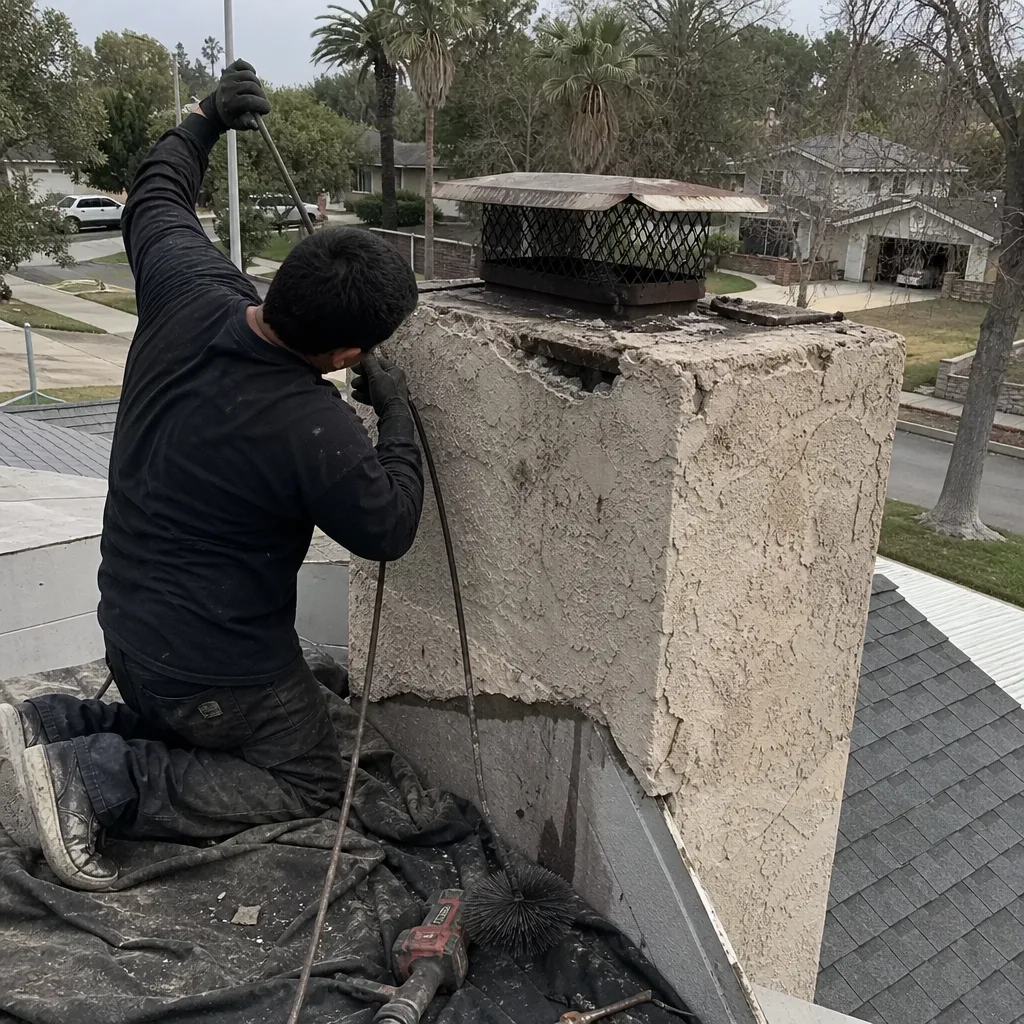 Before
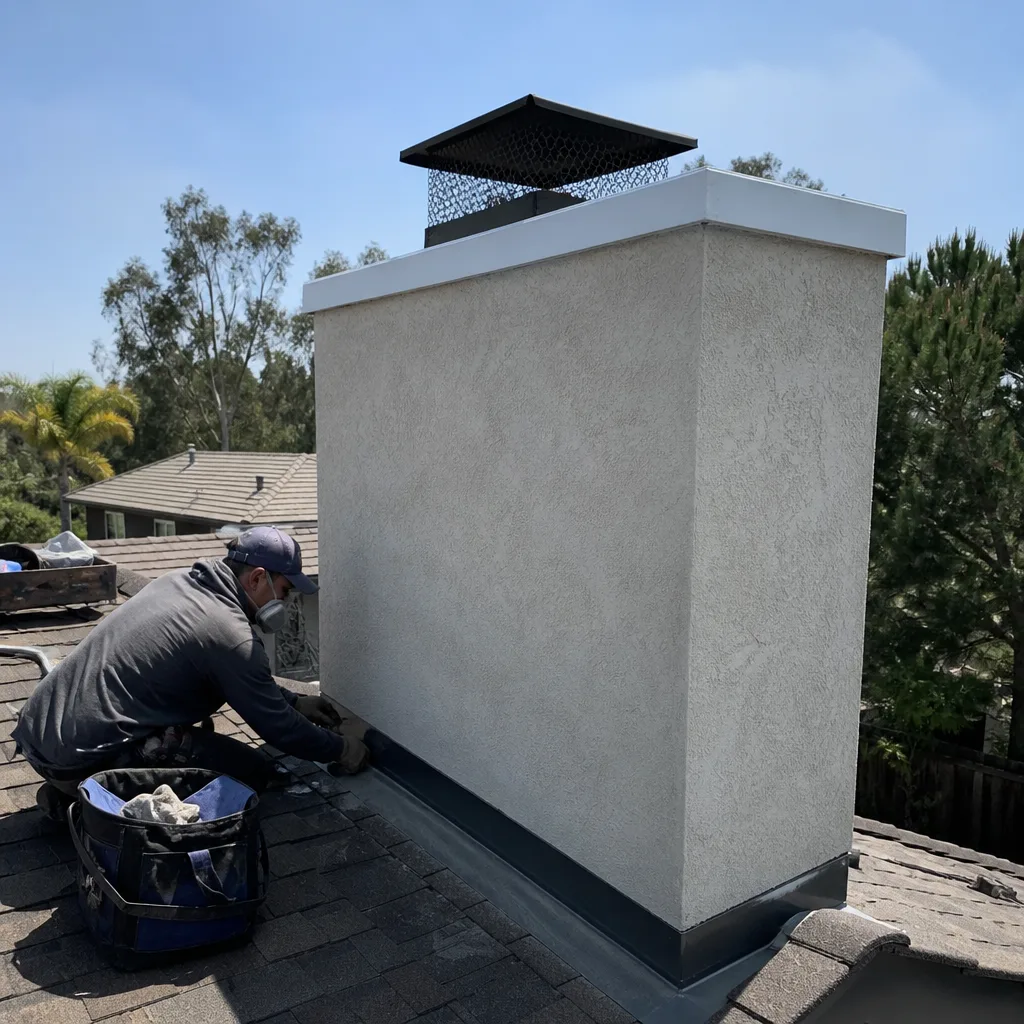 After
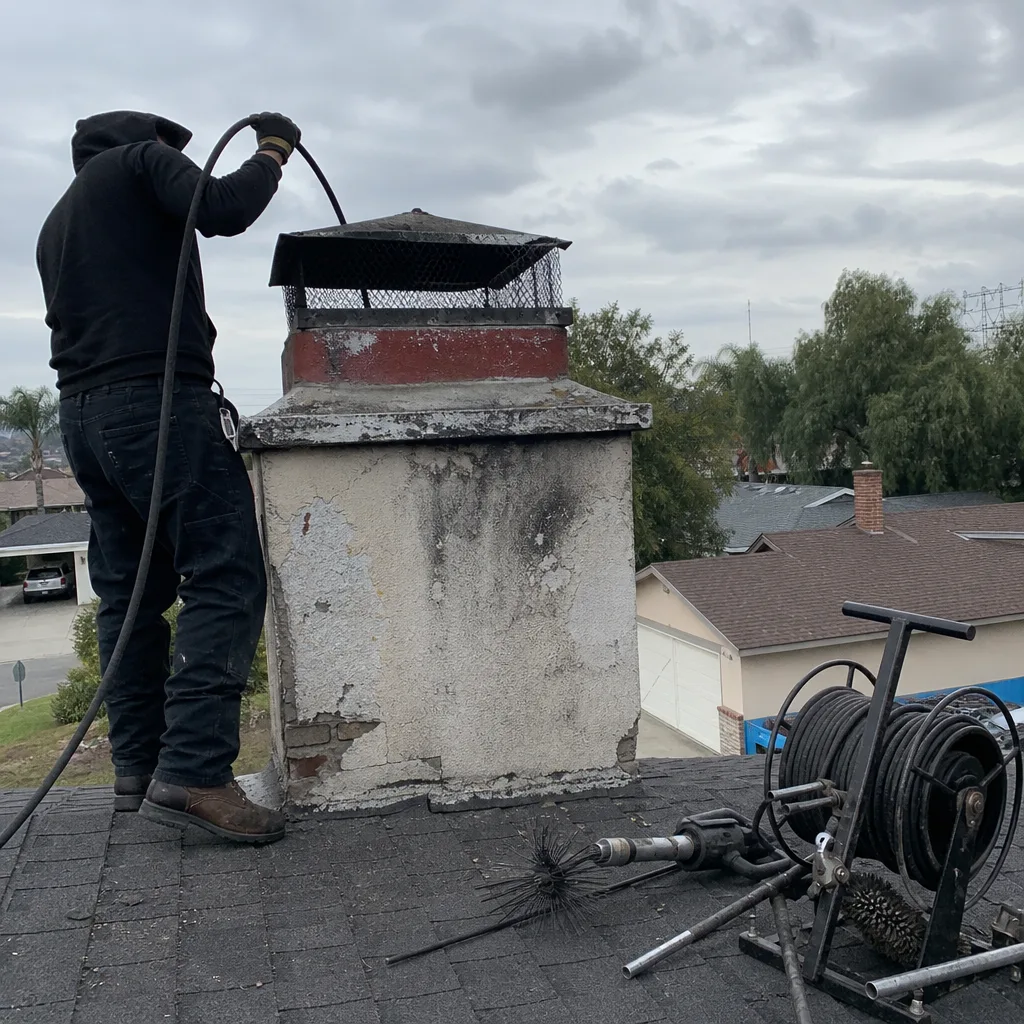 Before
 After
 Before
 After