
Last updated November 2, 2026
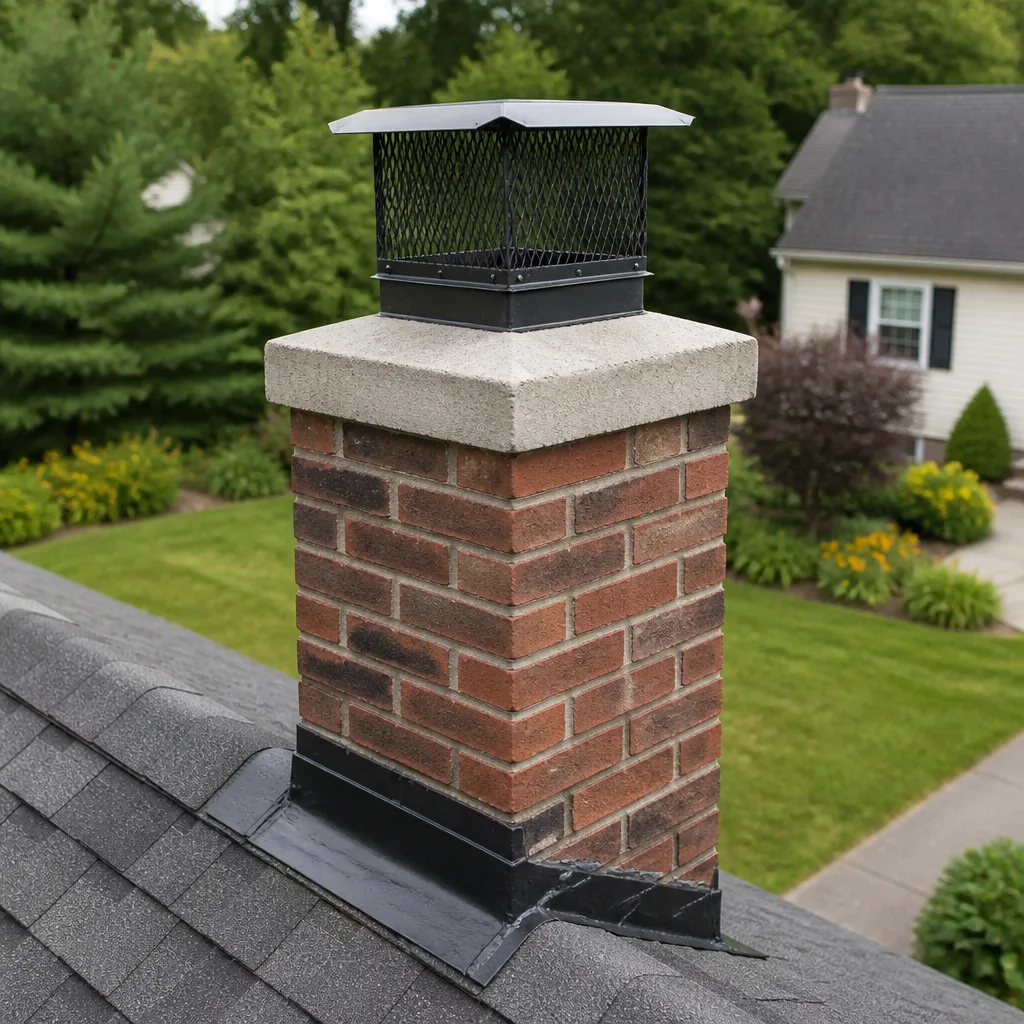 Sweep & inspection
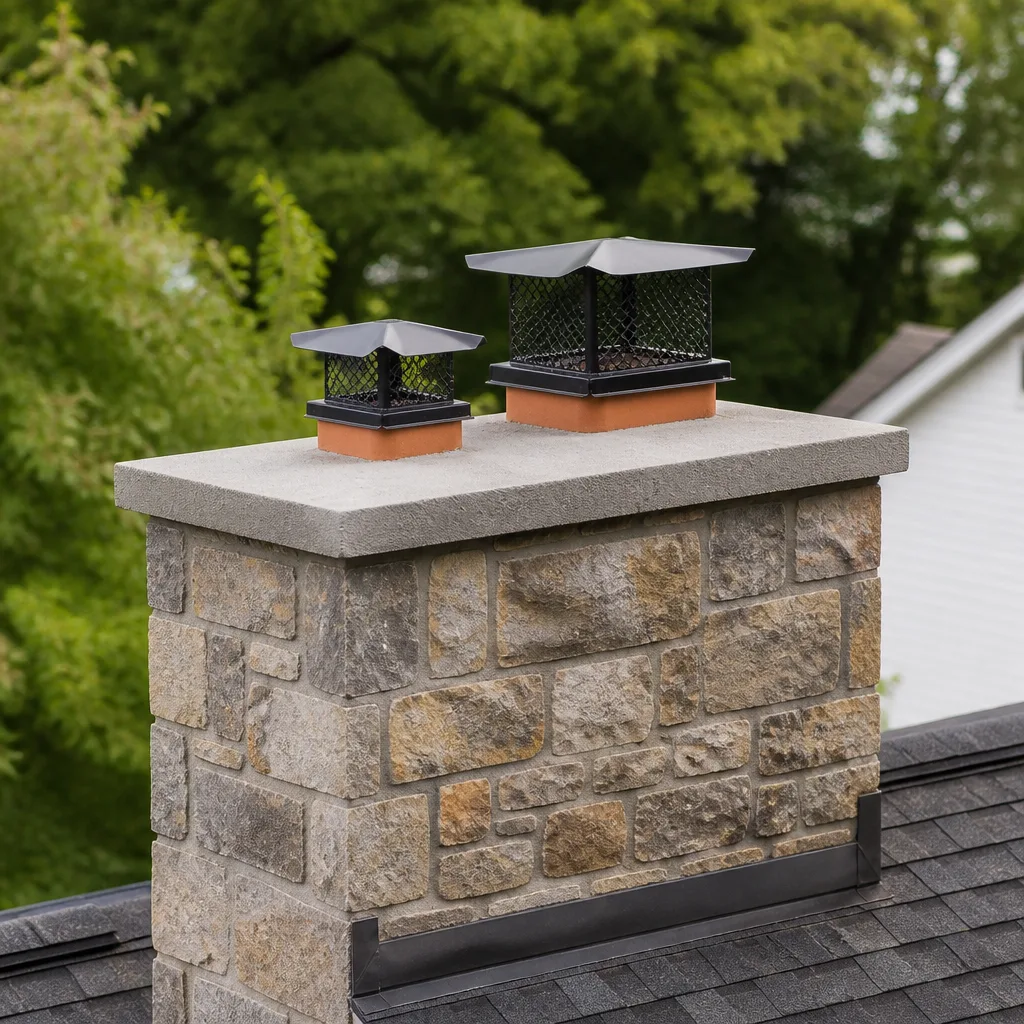 Caps & crowns
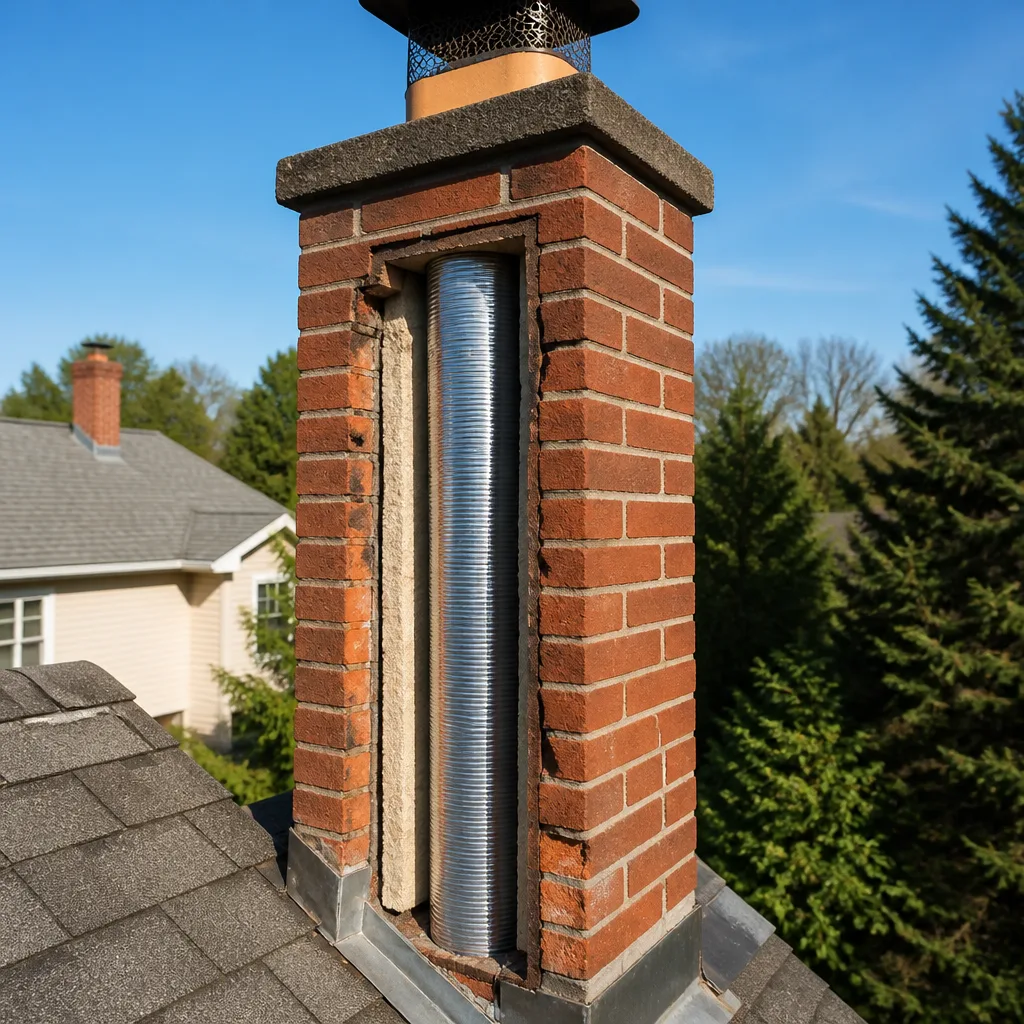 Flue relining
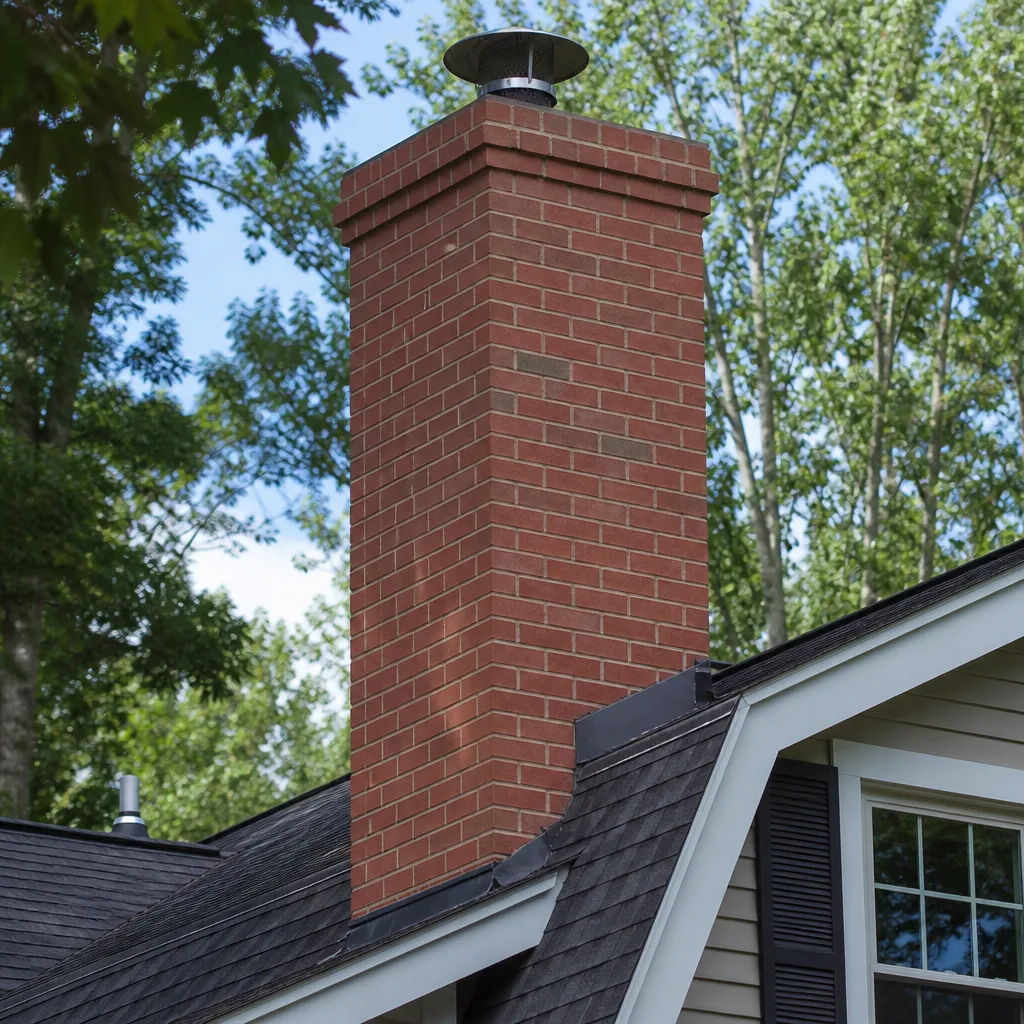 Masonry repair
 Gas fireplace service
Level 1 sweep and inspection to the NFPA 211 annual standard - flue, crown, cap, and flashing checked and photographed
Chimney sweep logs do not sweep chimneys. They loosen some creosote - which then falls where a brush and vacuum still have to collect it.
Chimney Cleaning Permits, Codes & Inspections in CA: What You Need to Know
Here’s a sentence most California homeowners have never heard: the sweep itself is not the permit trigger. It’s what the sweep finds that changes your legal obligations. In Northridge and across Los Angeles County, a routine chimney cleaning requires no permit, no inspection, and no filed paperwork. But if that cleaning reveals a cracked flue liner, deteriorated mortar joints, or a rusted-out cap that needs replacement, you’ve just crossed from maintenance into construction, and construction in California means permits, codes, and licensed contractors. Our Chimney Cleaning Warning Signs: A Northridge Homeowner’s Reference Guide separates the two, because conflating them is how unpermitted liner replacements end up snarling home sales years later. We’ll walk through the exact code sections, what triggers an inspection, what “as-built” means for your chimney, and how to get documentation your insurer will actually accept.
Quick Answer
Chimney cleaning in California does not require a permit, but many repairs performed after or during a cleaning do. Flue liner replacement, structural masonry work, and certain cap or insert installations fall under Los Angeles County building code and require a C-31 licensed contractor to pull a permit. The cleaning itself is maintenance, covered in our Chimney Sweep Maintenance Checklist for Northridge Homeowners and regulated by NFPA 211 standards rather than Title 24, and no inspection is mandated for a routine sweep.
Styles & brands we work with
- Sweep & inspection
- Caps & crowns
- Flue relining
- Masonry repair
- Gas fireplace service
Table of Contents
- When a Permit Is Required: The California Line
- LA County Building Code & the C-31 License
- NFPA 211 Inspection Levels & California Insurance Rules
- As-Built Documentation: Why It Matters When You Sell
- Cosmetic vs. Structural Repairs: Which One Triggers Inspection
- How to Get a Code-Compliant Invoice Your Insurer Will Accept
- Seismic & Wildfire Proximity: When California Rules Get Stricter
- Northridge Context: What We See in Local Chimneys
When a Permit Is Required: The California Line
California’s Title 24, the California Building Standards Code, draws a bright line between maintenance and construction. Sweeping soot, removing creosote, vacuuming the smoke chamber, and even minor firebox touch-ups are maintenance. No permit, no inspection, no licensed contractor requirement beyond basic business licensing. The California Mechanical Code and California Residential Code both treat “cleaning” and “rods and brushes” work as exempt from permit requirements in most single-family residential settings.
The line moves when you start replacing components rather than cleaning them. Under the California Residential Code (CRC) Section R105, a building permit is required for any work that involves “the removal or replacement of any structural element.” A flue liner is a structural element of the chimney system. So is a chimney crown, a firebox wall, or an entire masonry chimney. When a sweep finds a cracked liner and recommends replacement, that recommendation carries a permit obligation; see our Chimney Sweep Troubleshooting: Common Problems and How to Fix Them for what to do when contractors don’t mention it.
Here’s what typically requires a permit in a California residential chimney:
- Flue liner replacement (stainless steel or cast-in-place) – structural, requires permit and inspection
- Partial or full chimney rebuild – structural, requires permit and inspection
- Firebox reconstruction if it involves masonry or refractory panel replacement beyond cosmetic parging
- Crown replacement or rebuild when the crown is structural (most in Northridge are, given earthquake stress)
- Chimney cap installation if it requires modifying the flue or crown (a simple slip-on cap usually does not)
- Fireplace insert installation – always, because it modifies the venting system
What does not require a permit: sweeping, creosote removal, inspection with a camera, minor mortar touch-up (repointing less than a certain percentage of the chimney face, though this varies by jurisdiction), and replacing a spark arrestor or rain cap of the same dimensions. In Northridge, where Chimney Sweep in Northridge work often reveals earthquake-related cracking, the distinction between “minor repointing” and “structural repair” comes up constantly. We flag it every time, because the difference determines whether a permit is legally required, and many homeowners don’t know to ask.
LA County Building Code & the C-31 License
Los Angeles County amends the California Building Code with its own stricter provisions, and those amendments apply to Northridge. The most important one for chimney work is the contractor licensing requirement. In unincorporated LA County and most incorporated cities, including Los Angeles, any structural chimney repair must be performed by a contractor holding a C-31 “Construction Zone” specialty license, issued by the California Contractors State License Board. A C-61/D34 “General Building” license is not sufficient for liner replacement or masonry rebuild. Neither is a handyman registration.
Why this matters to you as a homeowner: if an unlicensed contractor performs structural work on your chimney and it fails, your homeowners insurance may deny the claim. If the work was done without a permit and you later file a claim for smoke damage or fire, the insurer has grounds to contest coverage. This isn’t speculation – it’s how California insurance adjusters operate. They look for permit records and license numbers on any structural repair invoice.
Here’s the LA County hierarchy for chimney work:
- Cleaning and inspection – no license required beyond basic business registration, though CSIA or NFPA certification is the industry standard.
- Minor repair (cap replacement, spark arrestor, damper adjustment) – generally no permit, but contractor should hold a C-31 or C-61/D34 license for the work.
- Structural repair (liner replacement, crown rebuild, firebox reconstruction, chimney rebuild) – C-31 license required, permit pulled, inspection scheduled with LA County Building & Safety.
- New installation (adding a chimney to an existing home, or a complete tear-down and rebuild) – full building permit, C-31 contractor, plans submitted, multiple inspections during construction.
In our experience working across Northridge, the most common permit violation is a contractor recommending and installing a stainless steel liner without pulling a permit. The liner itself – often a DuraFlex or Copperfield product – is perfectly code-compliant. The installation, if unpermitted, is not. When that homeowner tries to sell, the buyer’s inspector flags the unpermitted work, the seller has to retroactively permit it, and the cost is higher than it would have been in the first place. We’ve seen this stall escrows in Granada Hills and Porter Ranch. It’s avoidable.
NFPA 211 Inspection Levels & California Insurance Rules
NFPA 211 is the national standard for chimneys, fireplaces, and vents. It defines three inspection levels, and California insurers increasingly reference these levels in policy language and post-loss investigations. Understanding which level you need, and when, protects you in a claim.
Level 1 inspection is the standard annual check. It covers the readily accessible portions of the chimney, the flue interior, and the basic appliance connections. No special tools. No permit. This is what most homeowners in Northridge need every year, especially if they burn wood regularly in the San Fernando Valley’s winter inversions.
Level 2 inspection is required by NFPA 211 whenever there’s a change in the system: a new appliance, a change in fuel type, or a property transfer. It’s also required after an “operating malfunction” or an “external event” – and this is where California gets specific. Earthquakes are external events. So are wildfires, or even proximity to a wildfire with heavy smoke and ember exposure. In Northridge, where we sit near the 1994 earthquake epicenter and have weathered multiple fire seasons where smoke settled in the Valley, Level 2 inspections are not optional box-checking. They’re the standard for any chimney that’s been through seismic activity or smoke inundation.
Level 3 inspection is invasive. It involves removing portions of the chimney or building to access concealed areas. It’s required only when a Level 1 or Level 2 finds suspected hazards that can’t be fully evaluated without demolition. Level 3 inspections are rare in residential settings, but they do happen in Northridge with older masonry chimneys that have hidden earthquake damage.
Here’s the practical California angle: if your insurer asks whether your chimney was inspected after a seismic event and you say no, and then you file a fire claim, expect pushback. Some California homeowners policies now include language requiring “reasonable maintenance” of solid fuel burning appliances, and an NFPA 211 Level 2 inspection after a significant earthquake is increasingly seen as reasonable maintenance. We recommend documenting every inspection, saving the report, and noting whether it was Level 1 or Level 2. That documentation is your evidence if a claim comes.
As-Built Documentation: Why It Matters When You Sell
“As-built” is a term more often associated with commercial construction than residential chimneys, but it applies, and it’s becoming more important in California real estate transactions. An as-built record documents what was actually built or installed, as opposed to what the original plans specified. For chimneys, this means knowing what liner material is in the flue, what the flue dimensions are, what the clearance-to-combustibles measurements are, and when the last structural work was performed and who performed it.
Why does this matter when you sell a home in Northridge? California’s seller disclosure requirements (California Civil Code Section 1102) require you to disclose known material facts about the property. Unpermitted chimney work is a material fact. If you don’t know whether work was permitted – because you never asked, or the previous owner didn’t tell you – you’re still obligated to disclose what a reasonable investigation would reveal. A buyer’s home inspector who sees a newer stainless steel liner with no permit record will flag it. Your escrow then depends on your ability to produce documentation of when the liner was installed, who installed it, and whether the installation met code at the time.
The as-built record for your chimney should include:
- The exact liner material (stainless steel alloy and brand, or clay tile dimensions, or cast-in-place refractory)
- The date of installation or repair
- The contractor’s name, license number, and the permit number if a permit was pulled
- The inspection date and the name of the inspector, if applicable
- The relevant code standard referenced at the time (e.g., “installed per CRC Section R1003”)
In Northridge, where many homes were built before 1994 and repaired after the earthquake, as-built records are spotty. We regularly see homeowners who can’t tell us what’s inside their chimney. That’s not a moral failing, it’s just how houses change hands. But it becomes a problem at sale. A Chimney Repair in Northridge that includes proper documentation – materials, scope, code references, permit numbers – is an asset to the home, not a liability. The buyer can verify it. The insurer can accept it. The sale closes.
Cosmetic vs. Structural Repairs: Which One Triggers Inspection
California code language distinguishes between “cosmetic” and “structural” work, and the distinction determines whether a city or county inspection is required. It’s worth understanding the actual definitions, because contractors sometimes blur the line, and homeowners pay for it later.
Cosmetic repairs are surface-level. Parging a smoke chamber with a refractory mortar. Touching up the firebox with heat-resistant paint. Sealing a hairline crack in the exterior brick with mortar that does not affect the chimney’s structural integrity. Patching stucco on the chimney chase. None of these require a permit in California. They’re maintenance.
Structural repairs affect the chimney’s ability to contain fire, vent combustion gases, or support itself. Replacing a flue liner is structural. Rebuilding a chimney crown is structural. Repointing mortar joints on a significant percentage of the chimney face is structural. Installing a new damper assembly that changes the venting characteristics is structural. Any work that requires a Level 2 inspection to evaluate is usually structural.
Here’s the rule of thumb we use in Northridge: if the repair changes what’s inside the chimney, it’s probably structural. If it only changes what’s on the chimney, it might be cosmetic. A new rain cap is cosmetic. A new flue liner is structural. A firebox patch is cosmetic if it’s less than a certain surface area. A firebox rebuild is always structural.
The inspection trigger in LA County is tied to the building permit. If the work requires a permit, it requires an inspection. The inspector verifies that the work was done to code: correct clearances, correct materials, correct fastening. For liner replacement, the inspector typically checks the liner’s termination point, the connection to the appliance, and the firestopping at each floor penetration. If you skip the permit, you skip the inspection, and you now have an unpermitted structural repair on your record.
How to Get a Code-Compliant Invoice Your Insurer Will Accept
Most chimney repair invoices are too vague to satisfy a California insurer or a buyer’s inspector. “Chimney repair, $2,800, paid” is not documentation. It’s a receipt for an unnamed service. If you file a claim or sell the home, that invoice does nothing for you.
A code-compliant invoice for chimney work in California should include the following elements, and you should request them before the work begins, not after:
- Scope of work in specific terms. “Installed new stainless steel chimney liner, 6-inch diameter, from firebox to termination, per CRC Section R1003” is specific. “Relined chimney” is not.
- Materials used, including brand and product line where relevant. For example, a HeatShield resurfacing job should name HeatShield, not just “flue coating.” If a DuraFlex liner is installed, the invoice should say DuraFlex. Your insurer can verify product specifications against code requirements.
- Permit number and issuing jurisdiction. LA County Building & Safety issues permits with a specific format. If no permit was required, the invoice should state why: “No permit required; work is maintenance under CRC Section R105.2.”
- Contractor’s license number and license classification. Not just a name and phone number. The license number is what the insurer checks against the CSLB database.
- Code standards referenced. CRC, CMC, NFPA 211, UL listings. This shows the work was performed to a recognized standard.
- Inspection date and result, if applicable. “Inspected by LA County Building & Safety on [date], passed” is a strong statement for any future claim or sale.
We include all of this on our invoices for Northridge work, even when no permit is required, because it costs nothing to document properly and it protects the homeowner. Ask any contractor you hire to do the same. If they push back or say it’s unnecessary, ask yourself why.
Seismic & Wildfire Proximity: When California Rules Get Stricter
California’s building code doesn’t change based on proximity to a seismic fault or a wildfire burn scar, but enforcement does, and so do insurance requirements. A chimney in Northridge, which sits on soil that shook violently in 1994, is held to a higher practical standard than a chimney in a geologically quiet part of the state. The code says the same thing. The inspectors look harder.
After the 1994 Northridge earthquake, thousands of chimneys in the Valley were damaged. Some were rebuilt. Many were patched. A patched chimney from 1994 is now 30 years old, and the patch – however well done – sits on masonry that absorbed shear stress nobody fully mapped. We see this in Northridge regularly: a chimney that looks fine from the street, but the interior clay tiles are cracked from torsion stress, and the homeowner has no idea. That’s an earthquake-driven condition, and it’s why Level 2 inspections after seismic events are not a formality here.
Wildfire proximity plays a different role. When smoke settles in the Valley – which happens regularly during California’s fire seasons – it deposits creosote-like compounds on chimney interiors, even if you never burn a fire. The smoke infiltrates the flue, mixes with humidity, and leaves a coating that can be difficult to distinguish from wood-burning creosote. If you live in Northridge and haven’t burned a fire in months but your sweep finds significant flue deposits, that’s often wildfire smoke residue. It needs to be removed before you burn, because it can ignite.
Insurers know this. Some California homeowners policies now require chimney documentation after “smoke events” or “seismic events,” and they define those terms broadly. Keep records. Every inspection, every cleaning, every repair. In Northridge, that documentation is not hypothetical futureproofing. It’s current practice.
Northridge Context: What We See in Local Chimneys
Northridge has a specific housing stock. The majority of single-family homes were built between 1950 and 1985, with masonry chimneys, clay tile liners, and mortar that’s now well past its designed lifespan. The 1994 earthquake accelerated aging in thousands of these chimneys. The result is a local baseline of hairline cracks, offset tiles, and spalled mortar that a chimney cleaner in a different climate would rarely encounter.
What this means for permits and codes: Northridge homeowners are more likely than average to hear “you need a new liner” or “this crown needs rebuilding,” and that’s where the permit question matters. A contractor who replaces a liner without a permit in Northridge is very likely doing so because they don’t hold a C-31 license, or because the liner itself is not installed to code. Either way, the homeowner absorbs the risk. When we install liners in Northridge, we use products like DuraFlex and Copperfield because they’re specified by professional contractors and their dimensions and certifications are documented. That documentation matters when the permit is pulled and the inspector comes through.
We also see a pattern in Northridge and the surrounding Valley: homeowners who schedule a chimney cleaning after moving in, discover the previous owner left an unpermitted liner or a badly patched crown, and now have to solve a problem they inherited. That’s the exact scenario a Level 2 inspection catches before closing. If you’re buying a home in Northridge, have one done. The cost is minor. The alternative is inheriting someone else’s code violation.
The Chimney Sweep Northridge home page has more about how we approach these inspections and what we document, but the core point here is simple: know the line between cleaning and repair, and don’t cross it without a permit.
Common Mistakes to Avoid
- Assuming a permit is never needed for anything chimney-related. Cleaning doesn’t need a permit. Structural repair does. In Northridge, where earthquake-damaged chimneys are common, structural repair is common too. Ask explicitly whether the work you’re approving is structural or cosmetic, and whether a permit is required.
- Hiring a contractor who says “we don’t need to pull a permit for this” without explaining why. Sometimes that’s true. Often it’s an evasion. Get the explanation in writing on the invoice, referencing the specific code section. If they won’t write it, don’t hire them.
- Losing inspection reports. Your insurer and your future buyer both want to see documentation. File every chimney report, every invoice, every permit. In Northridge’s resale market, a documented chimney is a selling point.
- Treating a chimney cap as a cosmetic accessory. A cap is a functional component that prevents water intrusion and animal entry. Installing the wrong one, or one that doesn’t match the flue dimensions, can cause draft problems and moisture damage. In California code terms, a cap that modifies the flue or crown can require a permit.
- Skipping a Level 2 inspection when buying a home in Northridge. The standard home inspection does not include the chimney interior. You can buy a house, move in, and discover an unpermitted liner or an earthquake-damaged flue. A Level 2 chimney inspection catches this before escrow closes, and it’s explicitly required by NFPA 211 for property transfers.
- Accepting a vague invoice for repair work. “Chimney repair, $2,800” is not documentation. Request material brands, code references, permit numbers, and license numbers. In Northridge, where HeatShield resurfacing and DuraFlex liners are common, the brand name tells the next contractor and the insurer exactly what was installed.
- Waiting until burning season to address chimney issues. In Northridge, the first cold snap of November sends everyone to their fireplaces. If your chimney has earthquake damage or wildfire smoke residue, you won’t know until you try to use it – and a chimney fire in a compromised flue is a structural fire in your home. Get inspected before you need it.
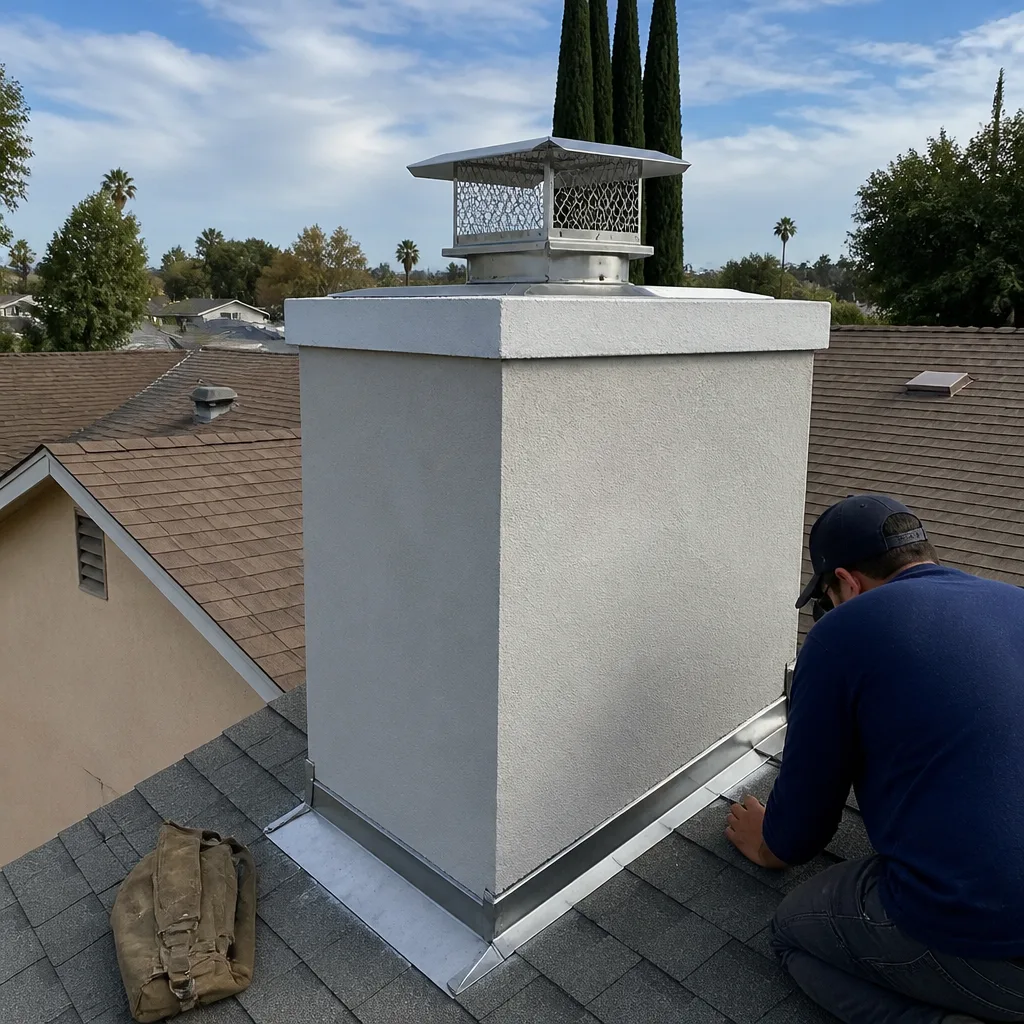
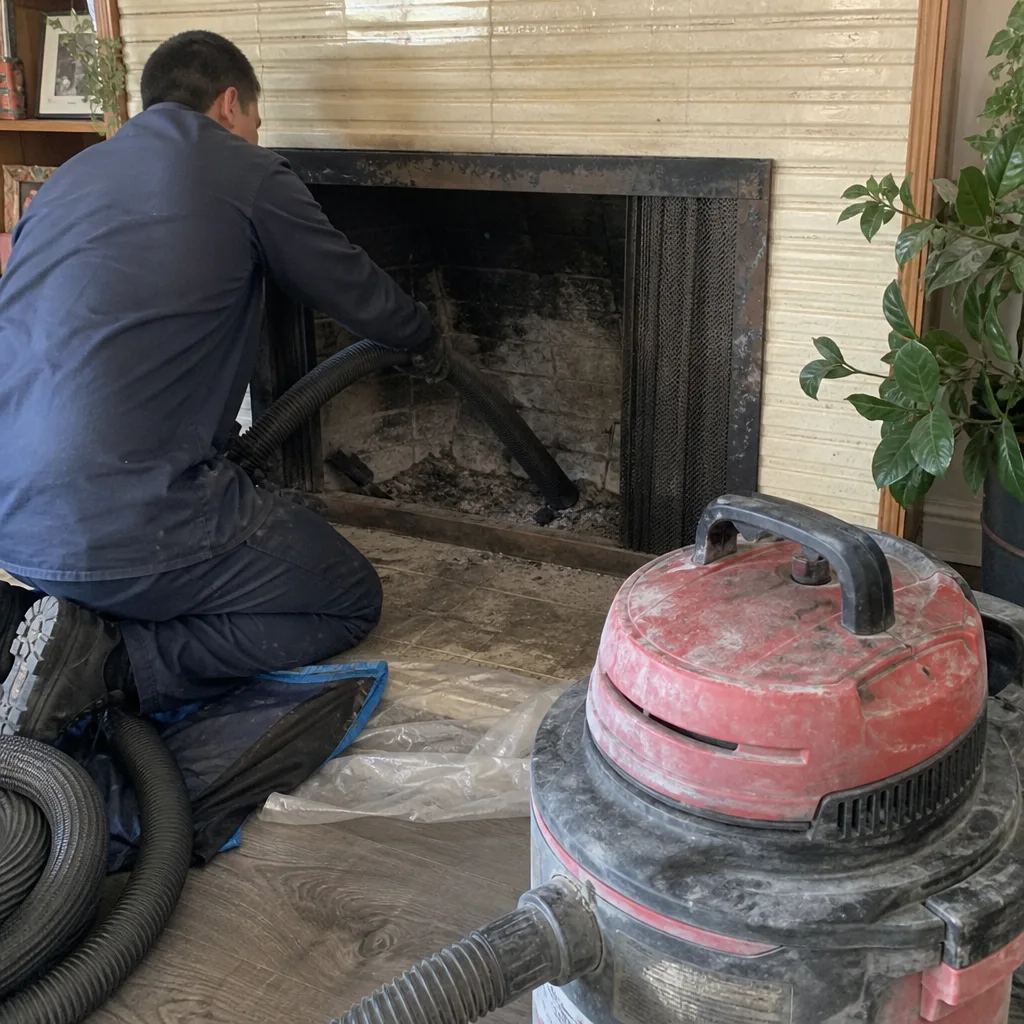
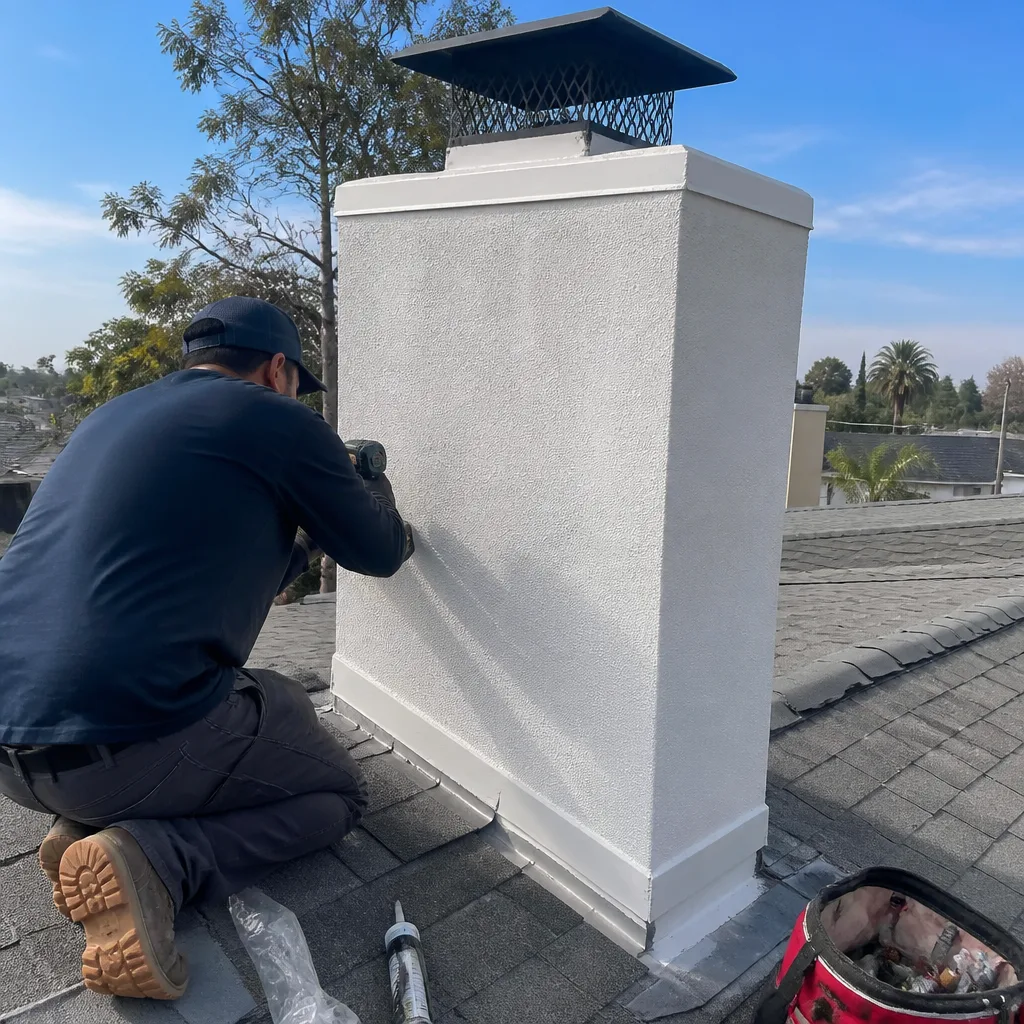
See the difference
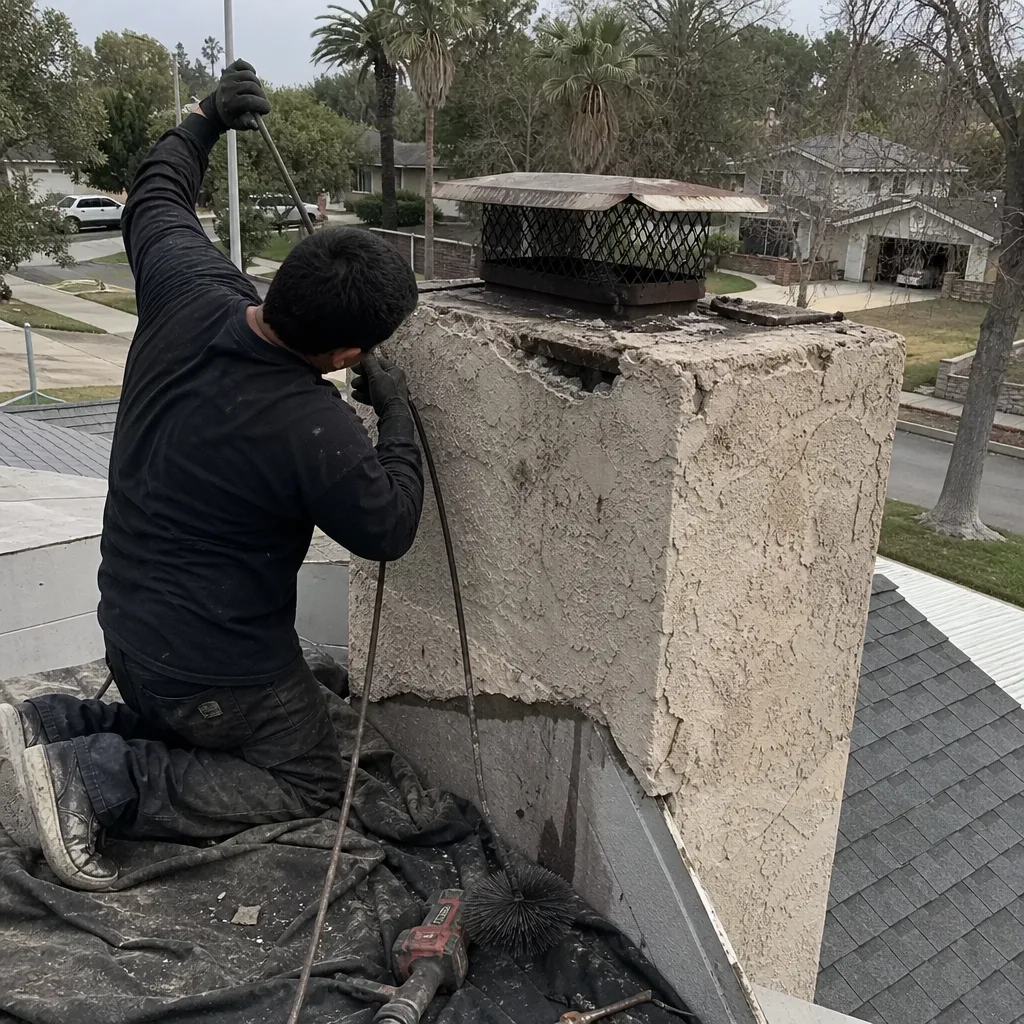 Before
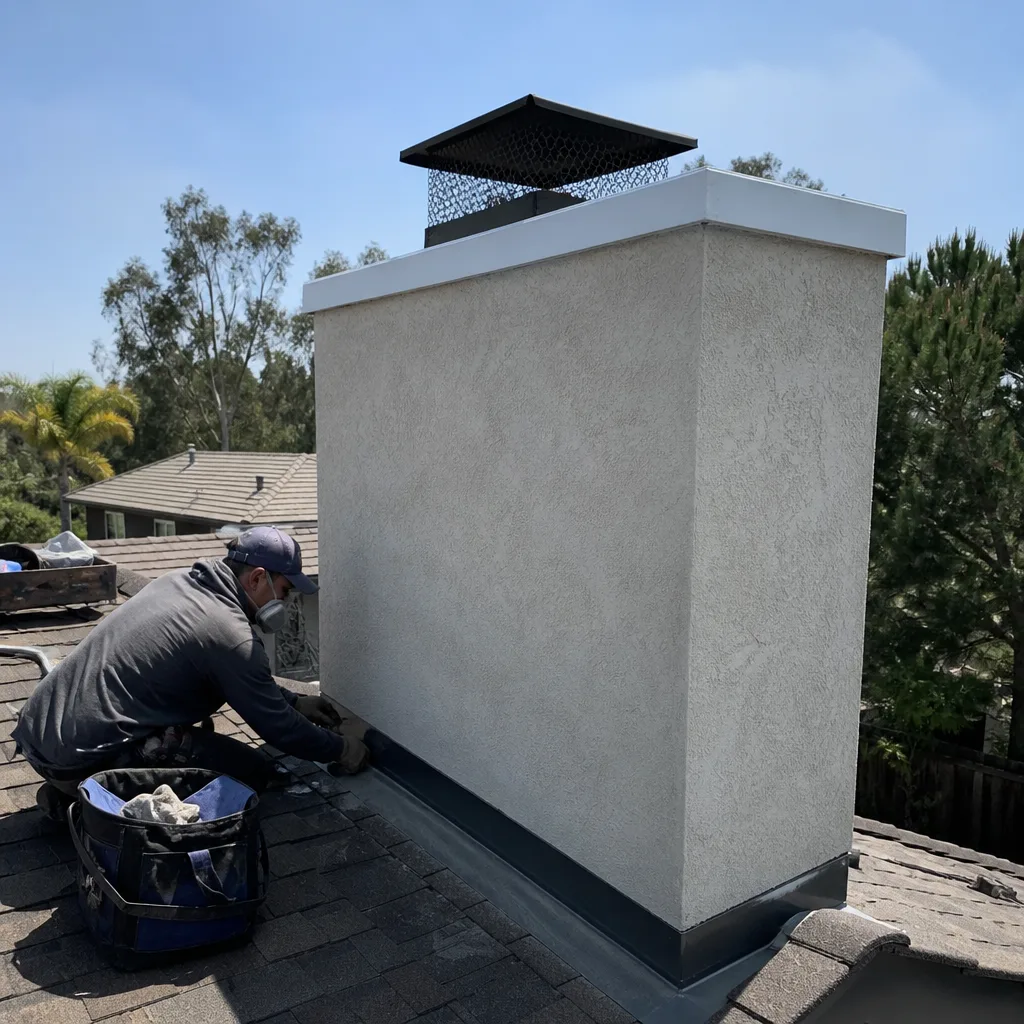 After
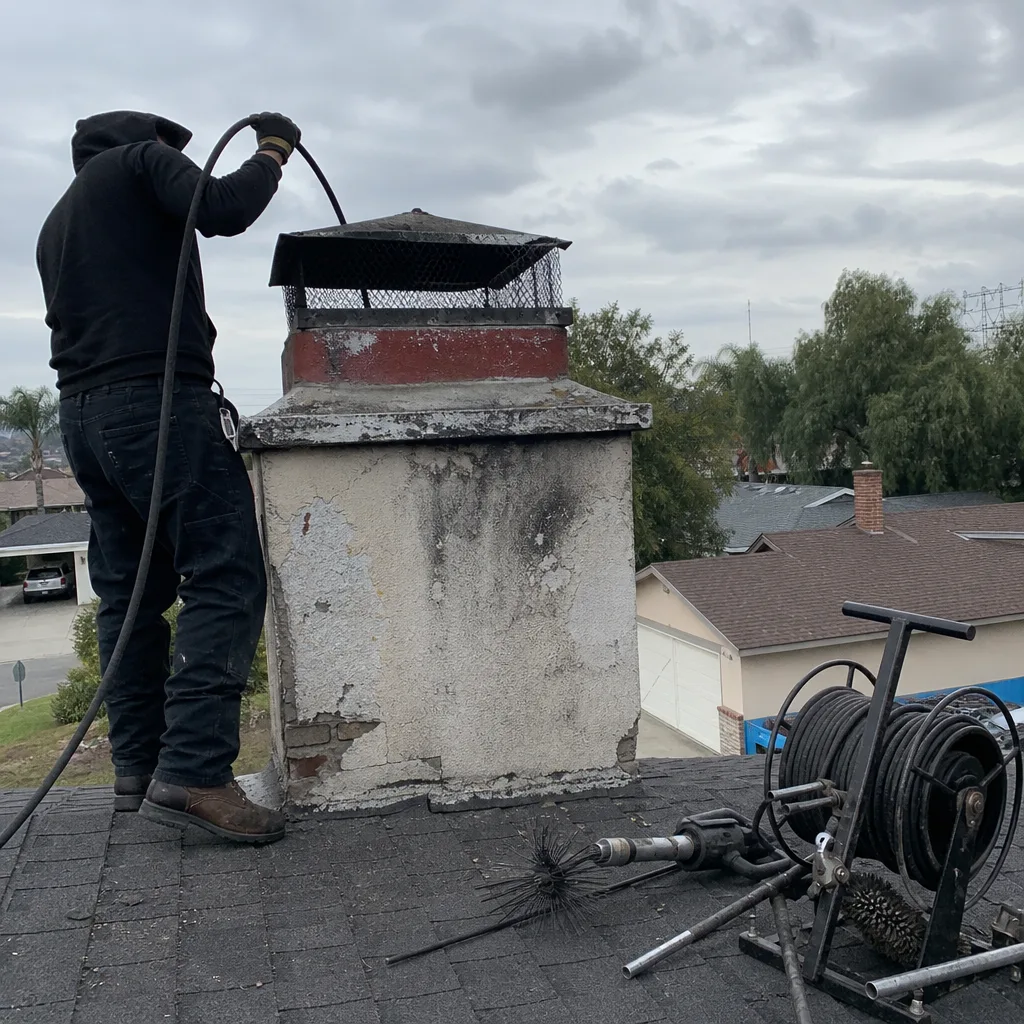 Before
 After
 Before
 After
When to Call a Professional
Call a chimney professional in Northridge if you’ve experienced any seismic activity and haven’t had a Level 2 inspection since. Call if you’re buying or selling a home and need as-built documentation or a property transfer inspection. Call if you’ve been told you need liner replacement and want a second opinion on whether a permit is required and whether Copperfield or DuraFlex products are appropriate for your chimney’s dimensions. Call if you have wildfire smoke residue accumulating in a flue you never use, or if your dryer vent hasn’t been cleaned in years and you’re not sure whether it connects to the same fire-safety concerns (it does, separately). Dryer Vent Cleaning in Northridge addresses a fire hazard that most chimney companies ignore, and it’s part of the same maintenance discipline. Chimney Sweep Northridge offers free estimates in Northridge – call (833) 589-9223 and we’ll tell you exactly what your chimney needs, what’s code-required, and what can wait.
Frequently Asked Questions
No. A routine chimney cleaning is considered maintenance under California code and does not require a permit in Northridge, Los Angeles County, or anywhere else in the state. The permit requirement applies to structural repairs like liner replacement, masonry rebuilds, and certain cap or insert installations, not to sweeping, creosote removal, or camera inspection.
Yes. Flue liner replacement is a structural repair under California Residential Code, and in Los Angeles County it requires a building permit and a C-31 licensed contractor. If a contractor offers to replace your liner without pulling a permit, the installation may be unpermitted, which can complicate insurance claims and home sales. Call (833) 589-9223 if you want a permit-compliant assessment.
NFPA 211 recommends a Level 1 inspection annually for chimneys in regular use. In Northridge, where seismic activity and wildfire smoke exposure are recurring, a Level 2 inspection is recommended after any significant earthquake, after a property transfer, or after prolonged smoke exposure from nearby fires. Most California insurers expect this level of diligence on a solid fuel burning appliance.
A Level 1 inspection is a visual check of accessible chimney areas, no special tools required. A Level 2 requires a camera scan of the flue interior and is triggered by changes to the system, seismic events, or property sales. A Level 3 is invasive, involving demolition of chimney or building components to access concealed areas, and is only required when lower-level inspections find serious problems that cannot be fully evaluated otherwise.
You can, but California seller disclosure requirements mean you must disclose known material facts, and unpermitted structural work is a material fact. A buyer’s inspector will likely find it. Many Northridge sellers end up retroactively permitting the work or negotiating a credit to cover remediation. Having as-built documentation, permit numbers, and inspection reports before you list avoids this entirely.
It depends on the cause of the damage and whether the chimney was properly maintained. Earthquake damage may be covered under a separate earthquake policy. Fire damage from a chimney fire may be covered, but insurers often investigate whether the chimney was inspected and cleaned regularly. If unpermitted work contributed to a failure, coverage may be denied. Document every inspection and repair. Call (833) 589-9223 for a free estimate on documented, code-compliant work in Northridge.
The Bottom Line
California draws the permit line between cleaning and construction, and Northridge homeowners who understand that line protect themselves in ways most never think about. Sweeping is maintenance. Liner replacement, crown rebuilds, and structural masonry repairs are construction, and they require C-31 licensed contractors, permits, and inspections in LA County. Document everything: the materials, the code references, the permit numbers, the inspection dates. That documentation is your insurance policy against claim disputes and your leverage at the closing table. For more guides & resources, visit our blog. A chimney in Northridge can be a joy or a liability. The difference is whether you treated it as a system that needs records, or a fixture that just needs a sweep.
Written by the team at Chimney Sweep Northridge, serving Northridge since 2012.