
Last updated November 2, 2026
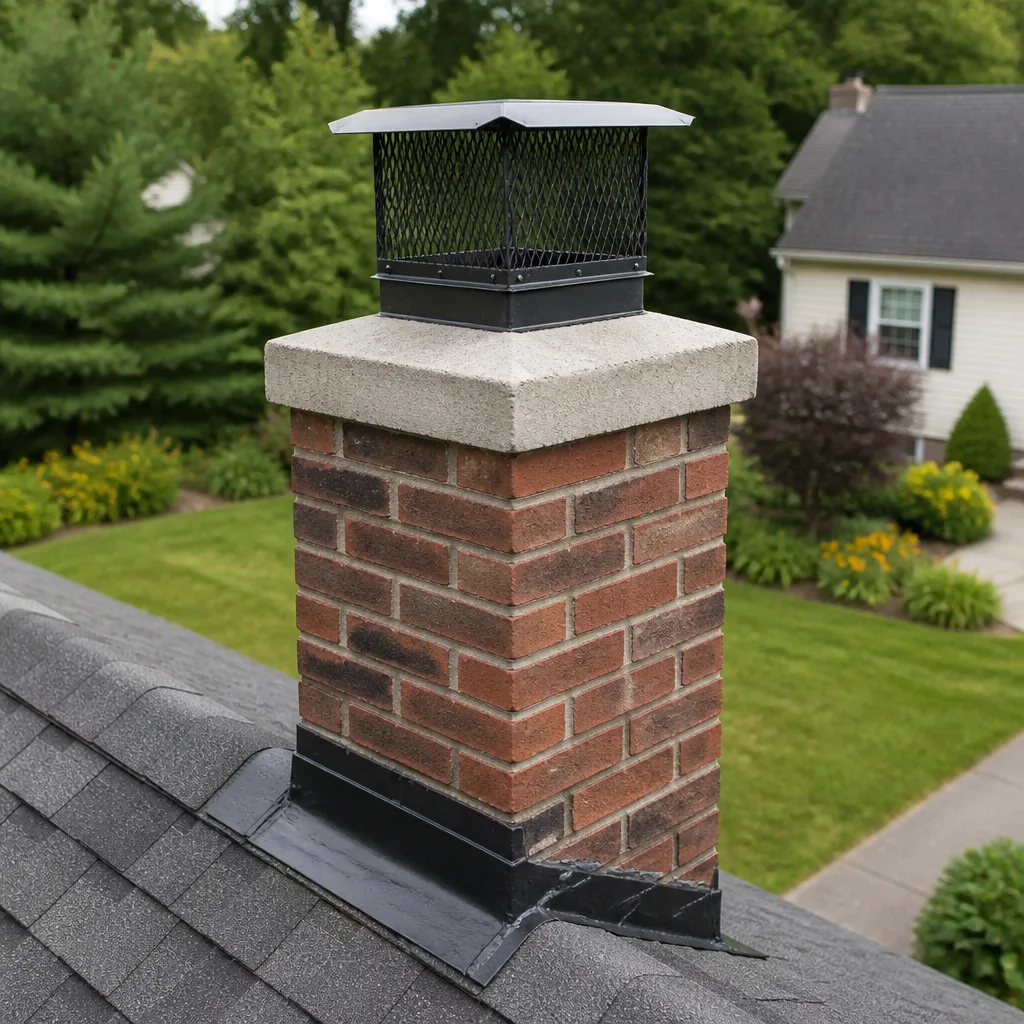 Sweep & inspection
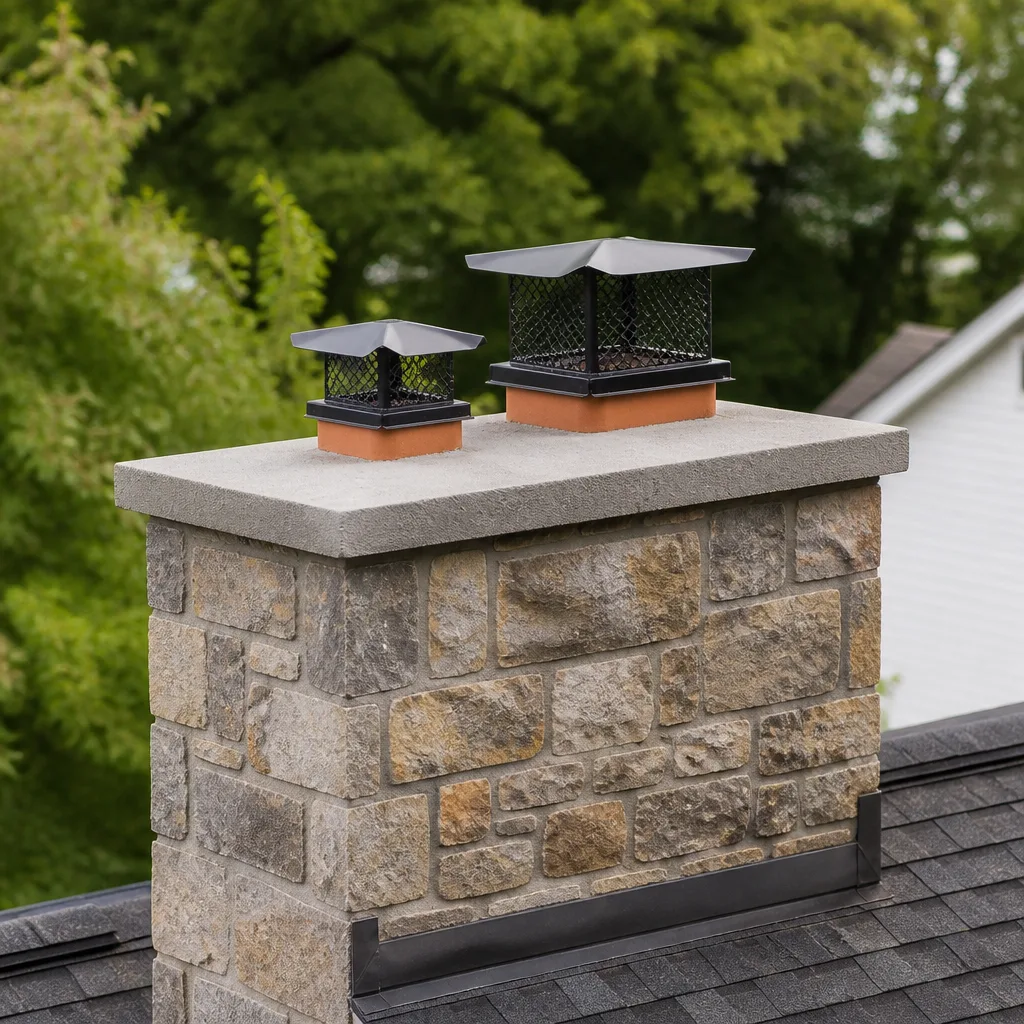 Caps & crowns
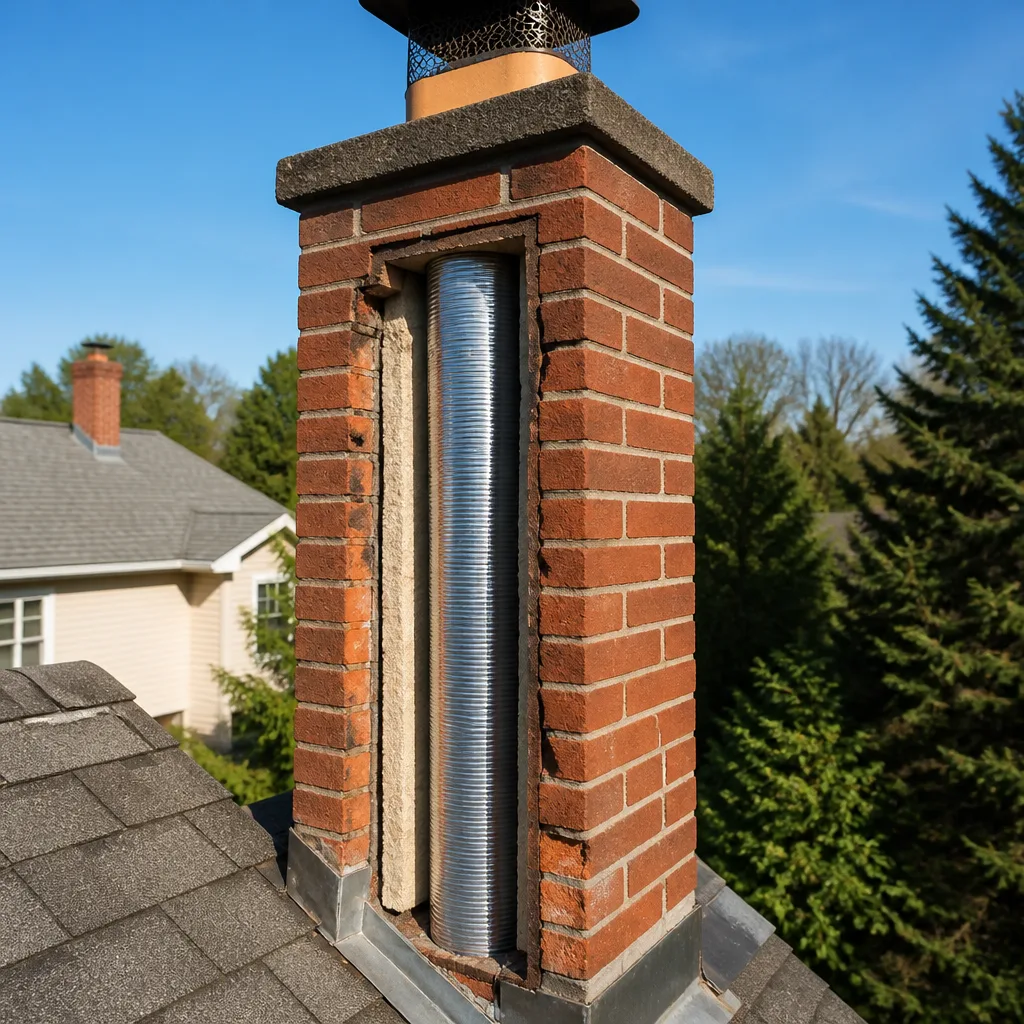 Flue relining
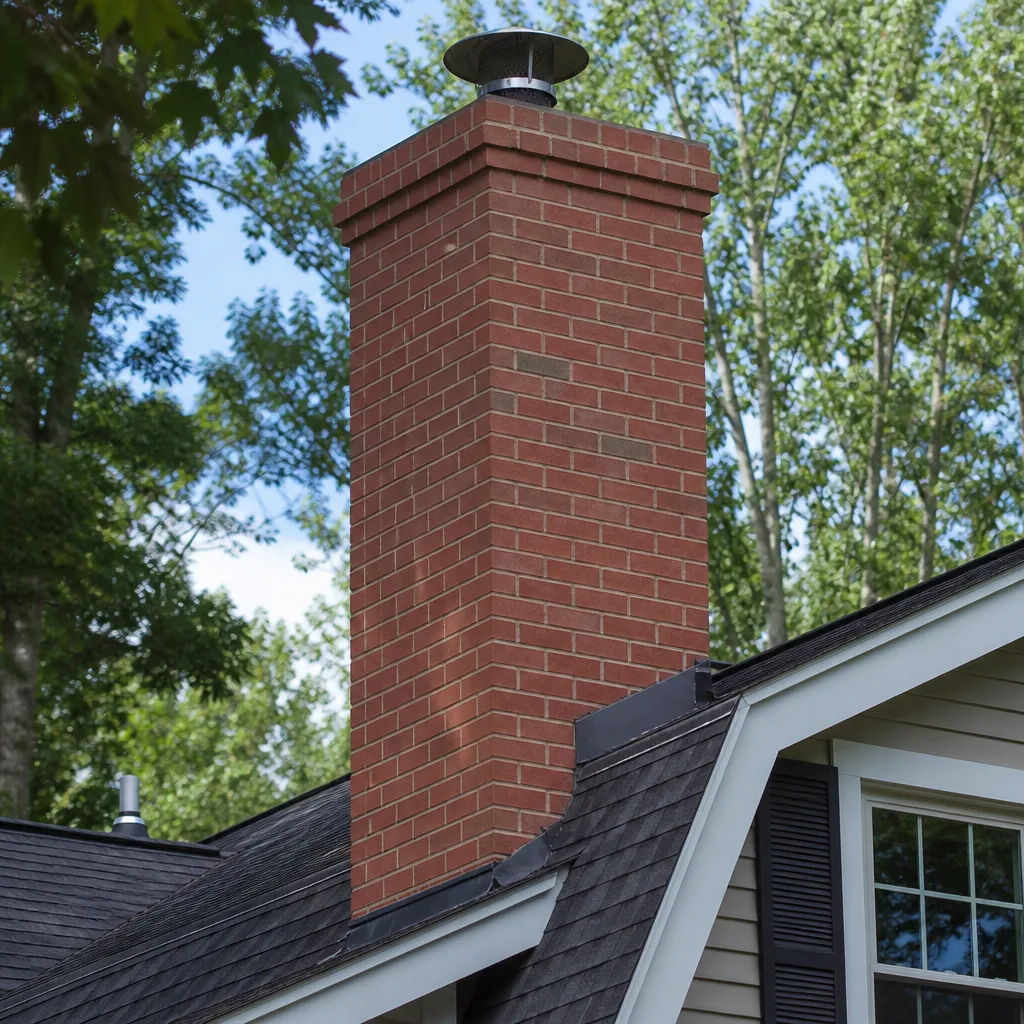 Masonry repair
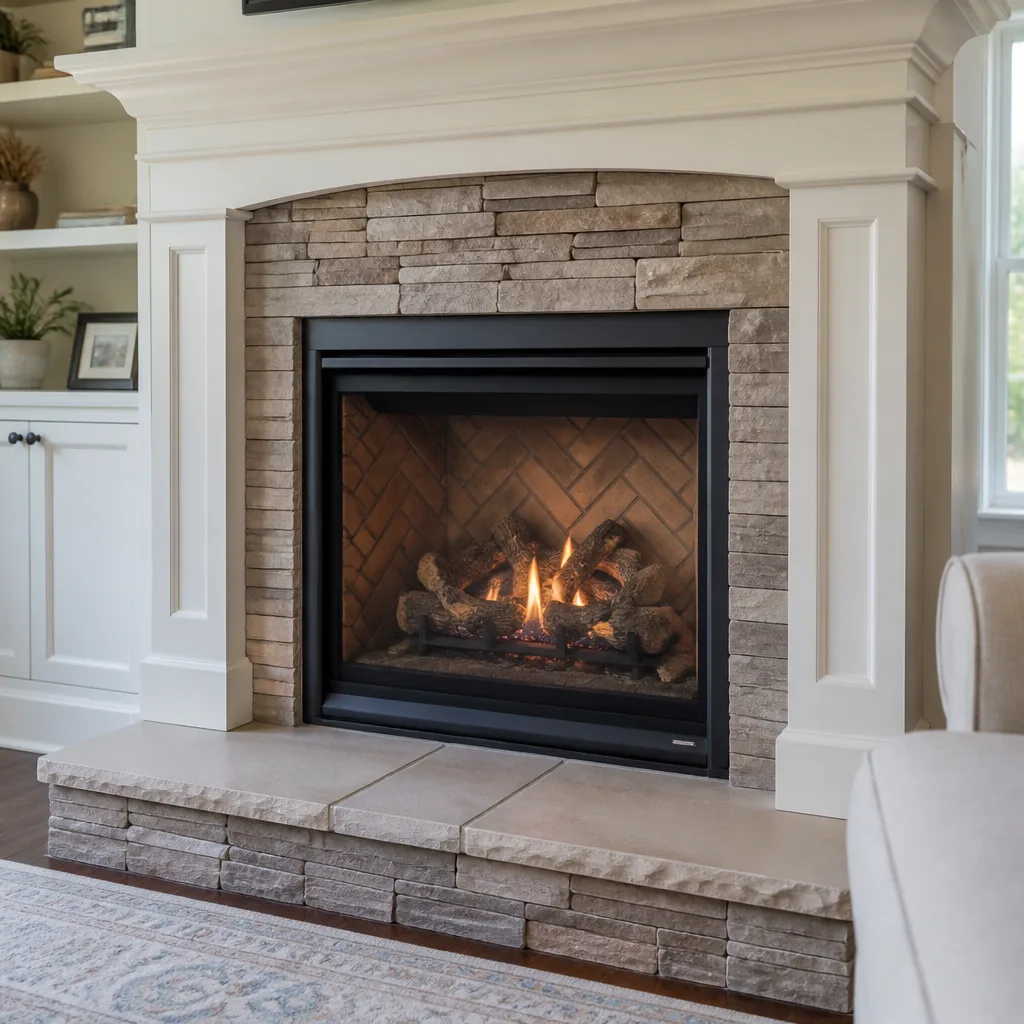 Gas fireplace service
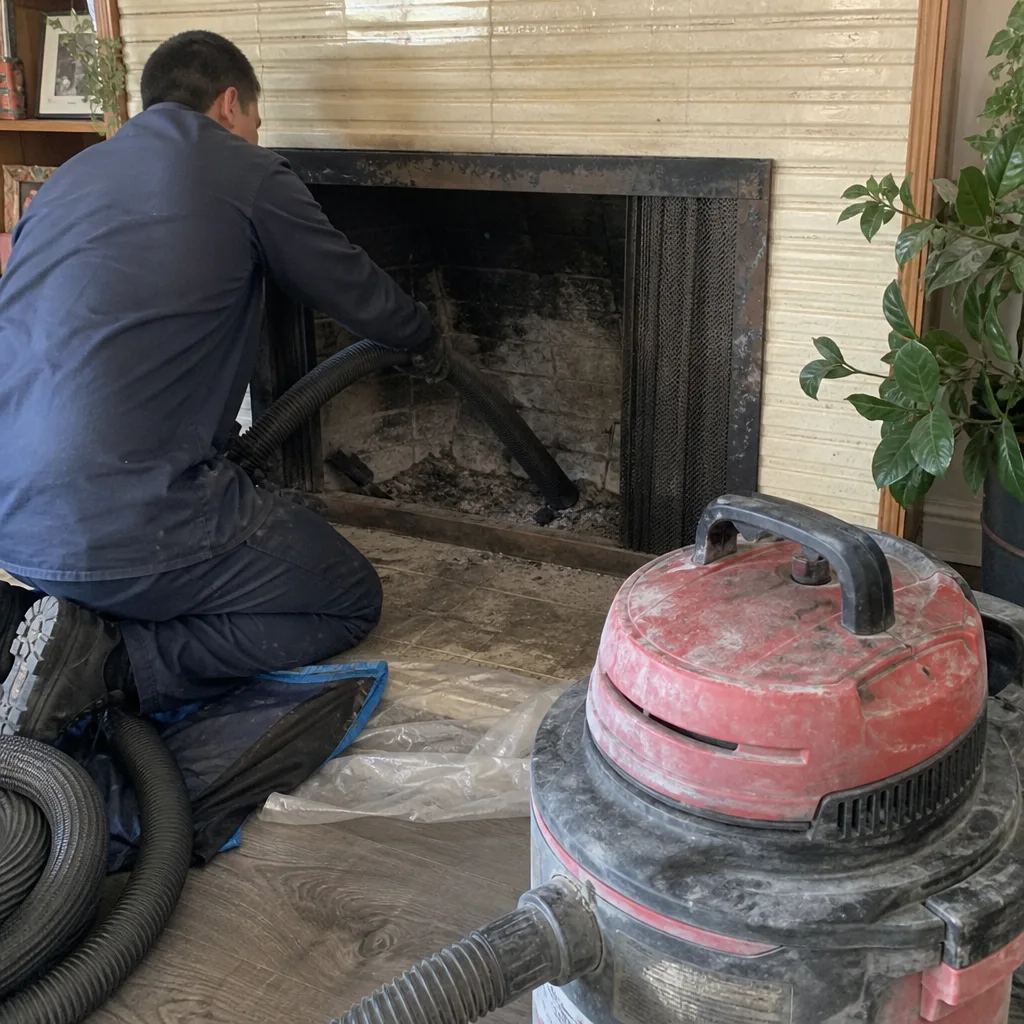
Level 1 sweep and inspection to the NFPA 211 annual standard - flue, crown, cap, and flashing checked and photographed
Chimney sweep logs do not sweep chimneys. They loosen some creosote - which then falls where a brush and vacuum still have to collect it.
Chimney Sweep Troubleshooting: Common Problems and How to Fix Them
A smoky fireplace is one of the most misdiagnosed chimney problems in Northridge homes. Most homeowners blame a dirty flue when the real culprits – negative house pressure, an undersized firebox opening relative to the flue, or a failed damper seal – have nothing to do with creosote at all. This guide walks through the five complaints we hear most often from San Fernando Valley homeowners, how to tell what’s actually causing each one, which fixes you can safely do yourself, and which ones need a Chimney Sweep with professional tools and materials. By the end, you’ll know the difference between a $60 maintenance item and a $3,000 structural repair before anyone tries to sell you the wrong one.
Styles & brands we work with
- Sweep & inspection
- Caps & crowns
- Flue relining
- Masonry repair
- Gas fireplace service
Quick Answer
Most chimney problems fall into one of four categories: airflow issues, moisture intrusion, structural wear, or animal entry. Each symptom – smoke in the room, odors, slow draw, rust stains, scratching sounds – has at least three possible causes, and treating the wrong one leaves the real problem untouched. The first step is ruling out what a sweep can’t fix (house pressure, closed dampers) without touching anything dangerous, then having a certified professional camera-inspect the flue for everything else. For more detail, see The Complete Chimney Sweep Guide for Northridge Homeowners.
Table of Contents
- Smoke in the Room: The Three Causes Nobody Checks First
- Chimney Odor in Summer: Why It Happens More in SoCal
- Slow Draw and Weak Draft: When the Flue Is Not the Problem
- Rust Stains and Efflorescence: Reading Moisture Marks on Masonry
- Animal Noise in the Chimney: Identification and Entry Points
- DIY vs. Professional: Where the Line Actually Sits
- The Wrong Replacement Part: How a $40 Cap Recreates a $400 Problem
- Common Mistakes to Avoid
- When to Call a Professional
- Frequently Asked Questions
- The Bottom Line
Smoke in the Room: The Three Causes Nobody Checks First
When smoke backs into a living room, most Northridge homeowners assume the flue is clogged. In our experience, that’s only right about a third of the time. The other two-thirds split between house pressure problems and damper or firebox geometry issues that a cleaning won’t touch.
Negative house pressure is the most overlooked cause. Modern homes – especially post-2000 construction in Northridge with sealed windows, tight weatherstripping, and kitchen exhaust fans – can pull air down the chimney instead of letting it rise. Every bathroom fan, range hood, or furnace running simultaneously creates a vacuum. The fireplace becomes the path of least resistance for makeup air, and smoke follows. This is not a chimney problem. It’s a ventilation problem that happens to involve the chimney.
An undersized firebox opening relative to the flue diameter produces the same symptom for a different reason. Wood-burning fireplaces need a specific ratio of opening area to flue cross-section, typically about 10:1. When a previous owner remodeled and enlarged the firebox opening without resizing the flue, the fireplace literally cannot exhaust fast enough. No amount of sweeping changes the physics.
A warped or failed damper seal rounds out the top three. Cast-iron dampers warp over repeated heat cycles. Once the seal fails, the flue never fully isolates from the room, and even a properly burning fire can spill smoke into the house. Here’s the test we teach homeowners before they pay for a sweep:
- Close all windows and exterior doors. Turn on every exhaust fan in the house (kitchen, bathrooms, laundry).
- Light a single sheet of newspaper and hold it near the fireplace opening without crossing the plane of the opening.
- Watch where the smoke goes. If it drifts into the room, house pressure is the likely cause. If it draws upward into the fireplace, the problem is downstream – flue obstruction, damper, or firebox geometry.
That one paper test saves Northridge homeowners hundreds of dollars in misdirected service calls. If smoke draws upward but the problem persists, it’s time for a camera inspection. We use the same inspection protocol whether we’re servicing a mid-century ranch near California State University Northridge or a newer build off Tampa Avenue. The flue doesn’t care about architectural style.
Chimney Odor in Summer: Why It Happens More in SoCal
A chimney that smells like a damp campfire in August is a distinctly warm-climate complaint. In humid regions, the smell hides behind every other odor. In the San Fernando Valley, the dry air makes creosote odor sharp and noticeable, especially in the evening when the house cools and air pressure equalizes.
Summer chimney odor almost always tracks back to one of three conditions. A missing or damaged rain cap lets moisture into the flue and deposits damp creosote residue. Wet creosote releases odor far more readily than dry creosote, which is why the smell intensifies after marine layer mornings in Northridge. A cracked or failed crown allows water to saturate the masonry itself, carrying decades of absorbed creosote and soot odors into the living space through the walls, not just the flue. A missing damper plug or failed damper seal means the chimney cavity stays connected to the room air at all times, and even mild temperature inversions push flue smells downward.
The fix path depends on what the camera shows. A simple missing cap is a one-hour repair using a copper or galvanized unit from Copperfield or a comparable manufacturer. A failed crown requires restoration or replacement with a proper mortar mix and drip edge. A persistent odor after both cap and crown work usually points to a full chimney sweep in Northridge to remove the creosote that’s embedded in the flue walls and smoke shelf. In homes with older unlined or damaged flues, we’ve resolved chronic odor complaints through HeatShield resurfacing – a ceramic material that seals cracks and bonds to the existing flue liner, closing the paths that let odor migrate into framing and drywall. It’s not a full reline, but it closes the gaps that a standard cleaning can’t reach.
One thing we tell every Northridge homeowner: if the odor appears and disappears with changes in outside temperature, the issue is air movement, not cleanliness. That points to cap or damper work. If the odor is constant regardless of weather, it’s moisture saturation or creosote buildup requiring a cleaning and possibly liner attention.
Slow Draw and Weak Draft: When the Flue Is Not the Problem
Weak draft – a fire that burns but refuses to pull cleanly, flames that lean sideways, smoke that lingers at the opening – is the most frustrating complaint because the flue often looks perfectly clean when inspected. The assumption that low draft equals dirty chimney is an expensive oversimplification.
Draft is a function of three variables: flue height, flue temperature, and pressure differential between the firebox and the outside air. Flue height is fixed. Temperature depends on the fire and the flue insulation. Pressure differential depends on everything outside the chimney – house construction, appliance competition, and even landscape features around the roofline.
In Northridge, we see weak draft most often in two scenarios. The first is one-story additions. A chimney originally sized for a single-story house can lose effective draft when a second story or large rear addition changes the wind pressure around the chimney top. What was a clean, predictable draw becomes turbulent. The fix is often a taller chimney termination or a draft-inducing cap, not a cleaning. The second is tight house construction. Homes built under Title 24 energy standards – which include many Northridge properties built or remodeled after 2005 – have far less natural air infiltration than older Valley homes. The fireplace needs a source of combustion air. Some homeowners solve this permanently by installing a direct air intake in the firebox, a modification that’s outside the scope of a sweep but well within the conversation we have during a Choosing the Right Chimney Cleaning Brand: A Buyer’s Guide for Northridge consultation. an inspection.
Here’s the diagnostic sequence we run:
- Confirm the damper is fully open. Partial opening is the most common single cause of weak draw, and it costs nothing to check.
- Open a window two inches in the same room. If the draw improves immediately, the house is the problem, not the flue.
- Check exterior conditions. Overhanging tree branches, a nearby addition, or a roofline wind vortex can all disrupt draft. Walk outside and look at the chimney relative to everything around it.
- Request a camera inspection. If steps one through three don’t resolve the issue, the flue needs to be seen from the inside.
We’ve found collapsed flue tiles, partial animal blockages, and even a fully closed damper that the homeowner assumed was open for years. None of those appear on a visual-only inspection from the rooftop. A camera sees them all.
Rust Stains and Efflorescence: Reading Moisture Marks on Masonry
Rust stains on a chimney exterior are not cosmetic. They are diagnostic. Rust means water is moving through the chimney in a way it should not, and it’s carrying dissolved iron from the damper, firebox components, or a steel liner.
The most common source of chimney rust in Northridge homes is a failed cap with a rusting rain pan. The cap’s job is to keep water out of the flue and off the top of the chimney. When the pan corrodes, water runs directly down the flue walls, picking up iron from the damper assembly and depositing rust stains on the brick or stucco below. The fix is a replacement cap, ideally a copper-topped unit that won’t oxidize the same way a galvanized pan will. We stock and install Copperfield caps because the copper top sheds water without the rust runoff that plagues cheaper galvanized pans, and because the same cap can often be fitted with a mesh screen that also resolves animal entry in the same visit.
Efflorescence – the white, chalky mineral deposits that appear on brick and mortar – is a different signal. Efflorescence means water is being absorbed into the masonry and then evaporating outward, leaving dissolved salts behind. It’s common on older Valley chimneys built without proper through-wall flashing or a proper concrete crown. The fix sequence matters here: repair the water-entry point first, then clean the efflorescence. Cleaning first just means watching it return next season.
For Northridge homeowners, the summer months are actually the best time to address these issues. The dry heat makes repairs cure properly and allows masonry to fully dry before the wet season. Waiting until October means doing the same work in the rain window.
Animal Noise in the Chimney: Identification and Entry Points
Scratching in the chimney at dusk or dawn, especially during spring and early summer in the Valley, is almost always a mammal or bird that’s found a way in through a missing or damaged cap. We hear this complaint most often in Northridge neighborhoods with mature trees – Devonshire Highlands, Sherwood Forest, and the older streets around Balboa Boulevard – where squirrel and raccoon traffic is consistent.
The first step is identifying the animal. Birds, especially chimney swifts, enter to roost or nest. Their activity is vocal – chirping, flutter, movement. Squirrels are active during daylight hours and sound like quick, scuttling footsteps above the damper. Raccoons are nocturnal and much heavier, with sounds you can’t mistake for birdsong.
None of these animals should be removed by a homeowner. Beyond the bite and scratch risk, there are legal considerations: chimney swifts are protected under federal law during nesting season, and removal may require coordination with wildlife authorities. What a chimney professional does is remove the animal humanely when possible, then close the entry point permanently. In our repair work around Northridge, we install mesh-barrier caps that prevent re-entry while preserving proper draft. The key is a cap designed for your flue size – an off-spec cap either blocks the flue or leaves a gap small animals can exploit. The s second visit for the same squirrel problem is a parts-spec failure, not a service failure.
If you hear noise, don’t light a fire to smoke the animal out. That creates a dead animal in the flue, which is a far more expensive and unpleasant removal problem. Call a sweep.
DIY vs. Professional: Where the Line Actually Sits
Some chimney maintenance is genuinely safe for a homeowner. Some is not. The line matters for your safety, your insurance coverage, and your wallet. Here’s the honest version from someone who fixes the aftermath of misjudged DIY projects.
Safe DIY territory:
- Checking and cleaning the damper assembly with a stiff brush and vacuum when the firebox is cold
- Inspecting the cap and crown from the ground with binoculars
- Cleaning the firebox itself – removing ash, debris, and loose creosote flakes with a shop vacuum and proper filter
- Testing draft with the paper method described above
- Replacing a standard fireplace grate or fireback
Professional territory, no exceptions:
- Any work that requires accessing the roof. Northridge homes with steeply pitched roofs or two-story elevations make this a genuine fall risk. We use proper tie-offs and roof ladders.
- Flue cleaning. A chimney brush run improperly can damage a terra cotta liner or fail to remove creosote in the smoke shelf and damper area. The tools we use are matched to the flue dimensions – a 6-inch brush in a 7-inch flue doesn’t clean anything, it just moves soot around.
- Flue inspection. You cannot see the condition of a liner without a camera. A visual inspection from the roof or firebox misses cracks, gaps, and stage-two creosote that camera inspection documents clearly.
- Any repair involving the flue, crown, cap mounting, or liner. Insurance carriers expect repair work to be performed by a licensed contractor. If a DIY cap installation fails and water damages the interior of the home, the insurance claim gets complicated quickly.
- Dryer vent cleaning that requires rooftop access or long interior runs. This is not a chimney issue in the traditional sense, but it’s directly adjacent: dryer vent cleaning in Northridge deals with the same lint-fueled fire risk and requires tools most homeowners don’t own.
The liability line is real. We’ve been asked to repair the results of homeowner chimney cleaning attempts that ended with broken flue tiles, damaged smoke shelves, and one memorable case of a brush head lodged in a flue offset that required disassembly to remove. The $180 sweep would have been less expensive than the repair.
The Wrong Replacement Part: How a $40 Cap Recreates a $400 Problem
One of the most frustrating patterns we see in Northridge is the repeat failure – a problem that was “fixed” a year ago and came right back. In nearly every case, the original repair used a mismatched or low-grade replacement part.
Wrong flue tile size is the classic. A chimney built for a 13×13 flue tile that gets a 13×9 tile during a “budget” repair now has a constricted flue. The fireplace backdrafts, creosote builds faster, and the homeowner blames the chimney when the problem is the part. Flue tiles are not interchangeable; the ID must match the firebox opening and the chimney height. When we repair flues in Northridge, we measure, we document, and we install materials matched to the original spec – or we recommend a liner from DuraFlex when the original spec is no longer available. DuraFlex liners are built to UL standards and sized precisely to the flue, which matters in a climate like ours where a liner has to handle both cold-start draw and sustained high-heat output from a wood fire.
Off-spec caps create a different failure. A cap that’s too small for the flue opening restricts draft and sends smoke back into the room. A cap that’s too large leaves a gap that lets in rain and animals. The right cap is sized to the flue, mounted to the crown, and selected for the local conditions – in Northridge, that means UV-stable materials that won’t degrade under 300 days of annual sun. We install caps from Famco and Copperfield specifically because both manufacturers produce units sized precisely to standard flue dimensions and built with materials that hold up to Valley heat without warping.
Off-brand refractory mortar in firebox repair is another one. Standard mortar breaks down under repeated high-heat exposure. Refractory mortar is made for this. Using the wrong material means the joint fails within one burning season, and the homeowner is back to square one. Gelco and Olympia Chimney are the brands we specify for these repairs because they engineer products for the actual thermal cycling a fireplace creates, not for general masonry use.
The takeaway: when a repair quote seems too cheap, ask what parts are being used and whether they match the original specification. The answer tells you whether you’re buying a fix or a repeat visit.
Common Mistakes to Avoid
- Lighting a fire to “burn off” creosote. Creosote doesn’t burn off – it ignites. That’s the definition of a chimney fire. If you suspect buildup, get it swept before you light another fire.
- Sealing the fireplace opening with plastic or a fireplace cover without addressing the source of odor. Trapping moisture inside a sealed chimney accelerates masonry damage and makes the eventual repair more expensive.
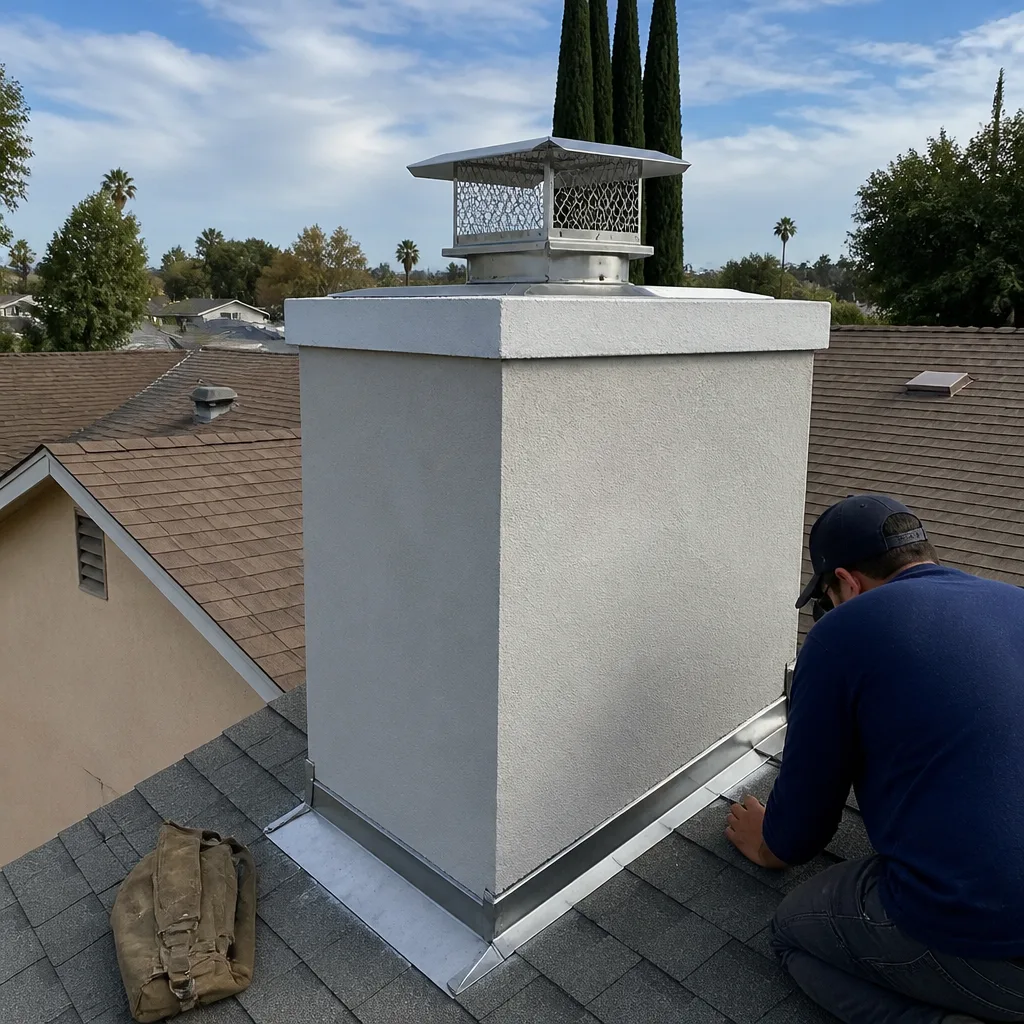
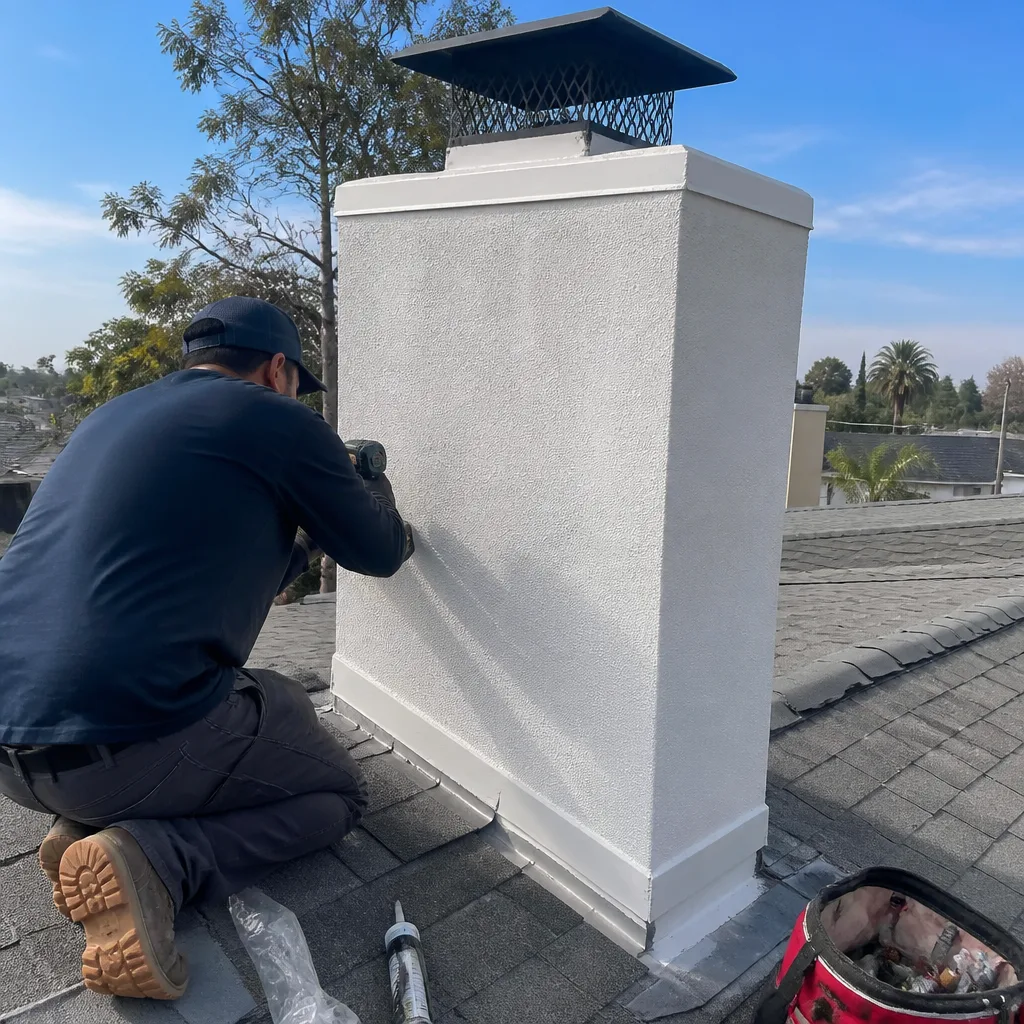
- Replacing a cap without inspecting the crown it sits on. A new cap on a cracked crown still lets water into the masonry. The cap and crown work as a system.
- Ignoring the smoke shelf during cleaning. Creosote accumulates on the smoke shelf in every chimney, and a sweep that skips it leaves a future chimney fire waiting. This is one of the reasons we use camera documentation – you should be able to see what was cleaned, not take anyone’s word for it.
- Running the fireplace and the kitchen exhaust fan simultaneously. In tight Northridge homes, this combination is one of the most reliable ways to pull smoke backward into the room. Window cracked open, exhaust fan off.
- Waiting until October to address a known chimney problem. Every chimney service in the Valley is backed up from September through January. You’ll wait longer, and in the interim you’ll either run the risk or go without fires.
- Assuming a gas log set doesn’t need chimney maintenance. Gas fireplaces produce acidic combustion byproducts that corrode liners and mortar over time. They still need annual inspection and periodic sweeping.
When to Call a Professional
Call a chimney professional when you see smoke in the room that the paper test can’t explain, when you smell creosote or musty odors that persist through cleanings, when you see rust stains or white mineral deposits on exterior masonry, when you hear animal activity in the flue, or when it’s been more than 12 months since the flue was last camera-inspected. If the home has a gas insert or a wood-burning fireplace used more than a dozen times per year, annual inspection is not optional – it’s the maintenance schedule the system was designed around. Chimney Sweep Northridge handles sweeping, repair, and dryer vent cleaning under one roof, using parts from professional-grade brands including DuraFlex, HeatShield, and Copperfield. Free estimates in Northridge and surrounding areas – call (833) 589-9223.
Frequently Asked Questions
A standard chimney sweep in Northridge typically runs between $150 and $300, depending on flue size, creosote stage, and accessibility. Camera inspection is usually additional and is the single most valuable part of the visit – it documents what the cleaning removed and what it couldn’t. Call (833) 589-9223 for an exact quote; estimates are free.
The National Fire Protection Association recommends inspection at least once per year regardless of fuel type, with sweeping whenever creosote accumulation reaches 1/8 inch or more. For Northridge homeowners who burn more than a cord of wood per season, or who burn soft woods like pine, twice-yearly sweeping is often the right cadence. Gas fireplaces need annual inspection even if they never require sweeping.
You can clean the firebox and damper area yourself. You should not attempt a full flue cleaning without proper brushes, a roofline safety setup, and a camera to verify the result. The risk of missed creosote or broken flue tiles outweighs the money saved, and insurance carriers prefer documented professional maintenance if a chimney fire occurs.
In our experience, a significant percentage of liner replacement recommendations are justified by real damage – cracks, spalling, or gaps that put heat too close to framing. But you should always ask to see the camera footage. If a sweep cannot show you the damage, get a second opinion. For many compromised liners, HeatShield resurfacing repairs the damage at a fraction of full replacement cost. We explain what we find, show you why it matters, and fix it with the least invasive method that actually solves the problem.
Summer odor in Northridge homes usually indicates moisture reaching the flue through a missing cap or failed crown, which activates the creosote odor. It can also indicate a failed damper seal that keeps the chimney connected to the room air. The fix starts with a camera inspection to identify whether the source is moisture, a failed damper, or both.
Creosote accumulates by stage. Stage one is fluffy and easily swept. Stage three is glazed, hardened, and requires chemical treatment or mechanical removal – it’s the form most likely to ignite into a chimney fire. Skipping inspection means losing the chance to remove creosote while it’s easy and cheap. The same logic applies to dryer vents, where lint accumulation follows a similar predictable path to fire risk. Call (833) 589-9223 to schedule an inspection before things reach that point.
The Bottom Line
Chimney problems rarely have a single cause. Smoke in the room could be house pressure, firebox geometry, or a blocked flue. Summer odor could be a cap, a crown, or a damper. Rust stains could be a failed pan or a structural water path. The only way to know is to test what you can test yourself, then have the rest inspected with a camera. In Northridge, where dry summers bake masonry and winter fires test liners, the homes that stay safe are the ones where maintenance happens on schedule with the right parts. The homes that don’t are the ones we see in October with a list of problems that could have been caught in April.
Written by the team at Chimney Sweep Northridge, serving Northridge since 2012. Browse our more guides & resources.
See the difference
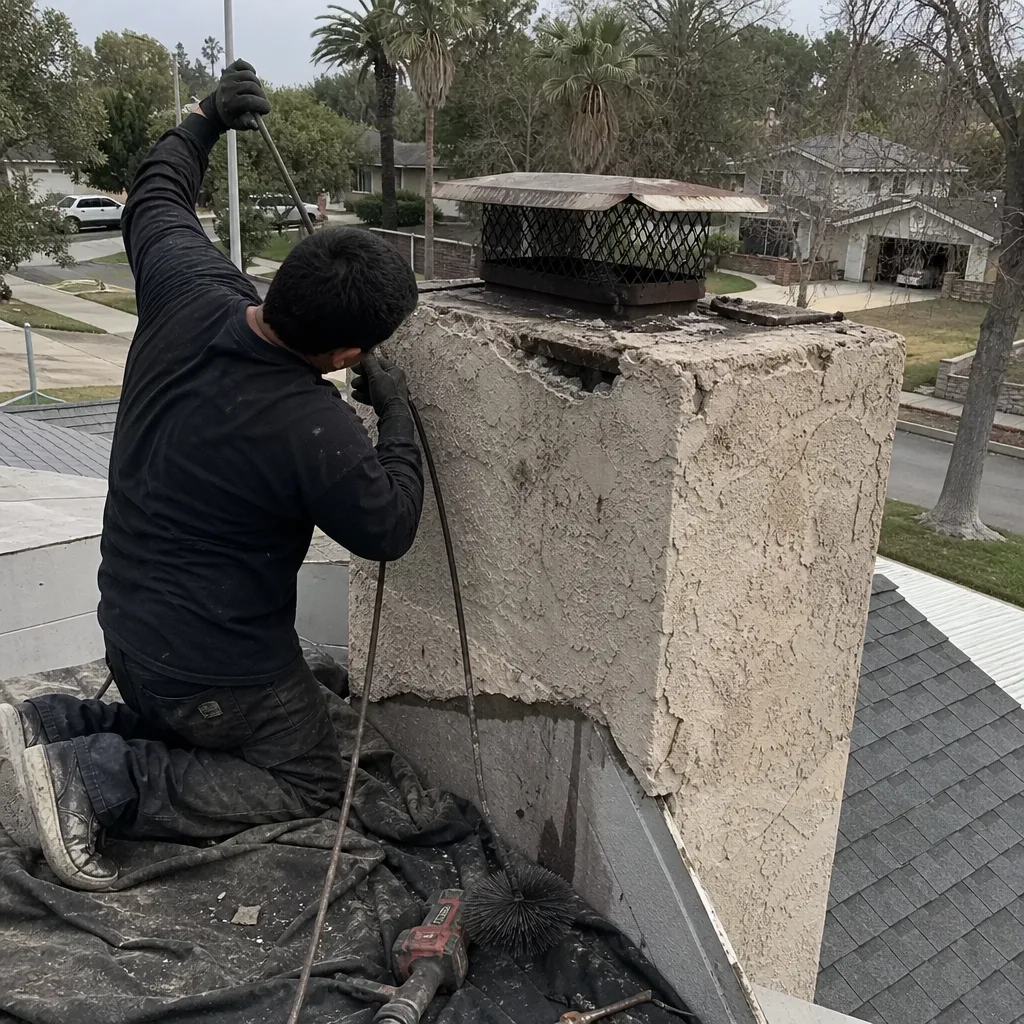 Before
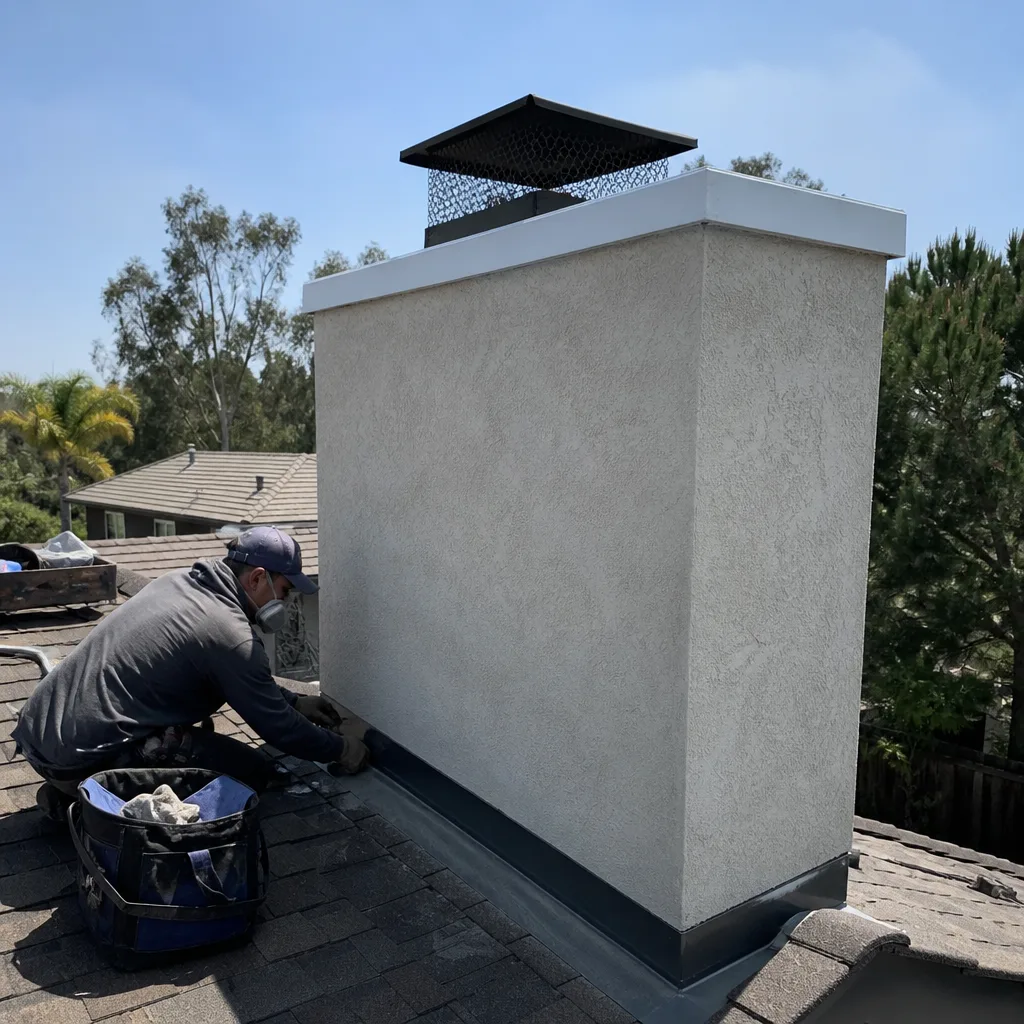 After
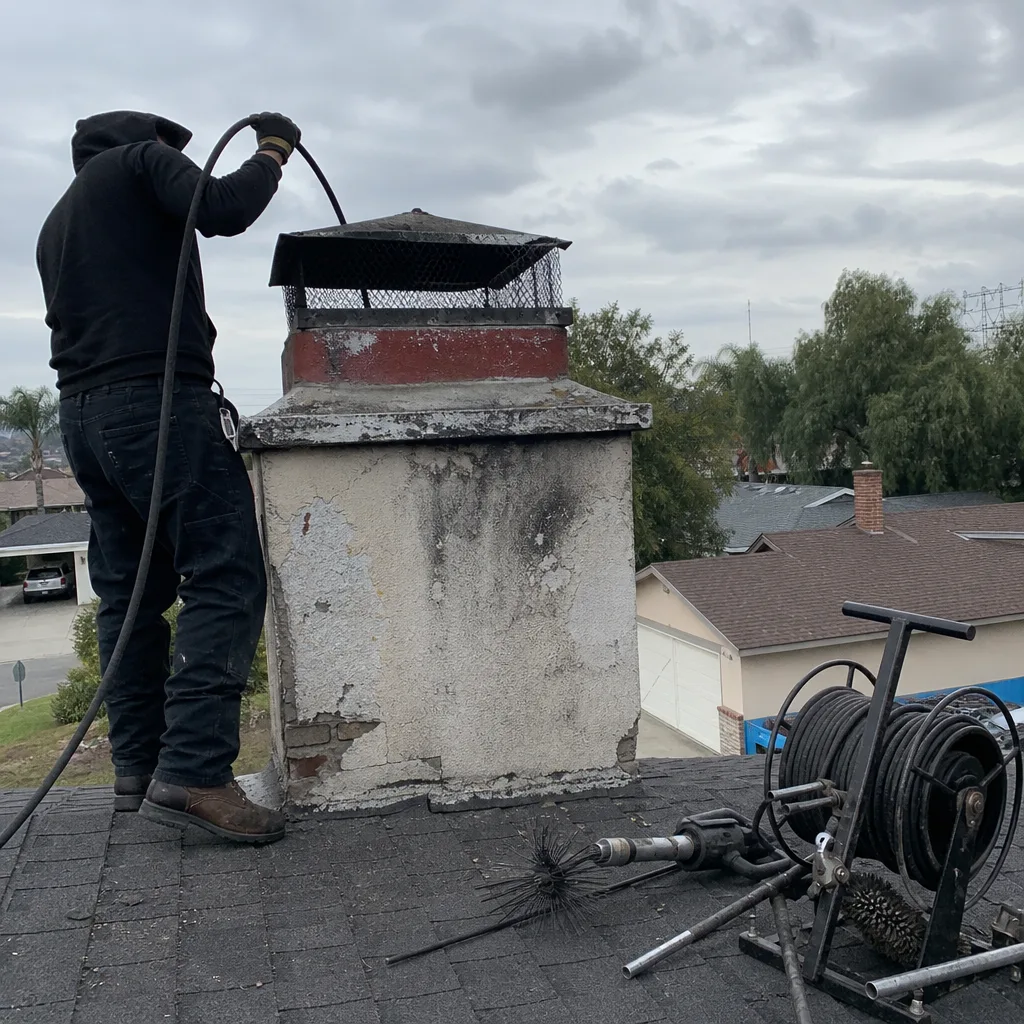 Before
 After
 Before
 After