
Last updated November 2, 2026
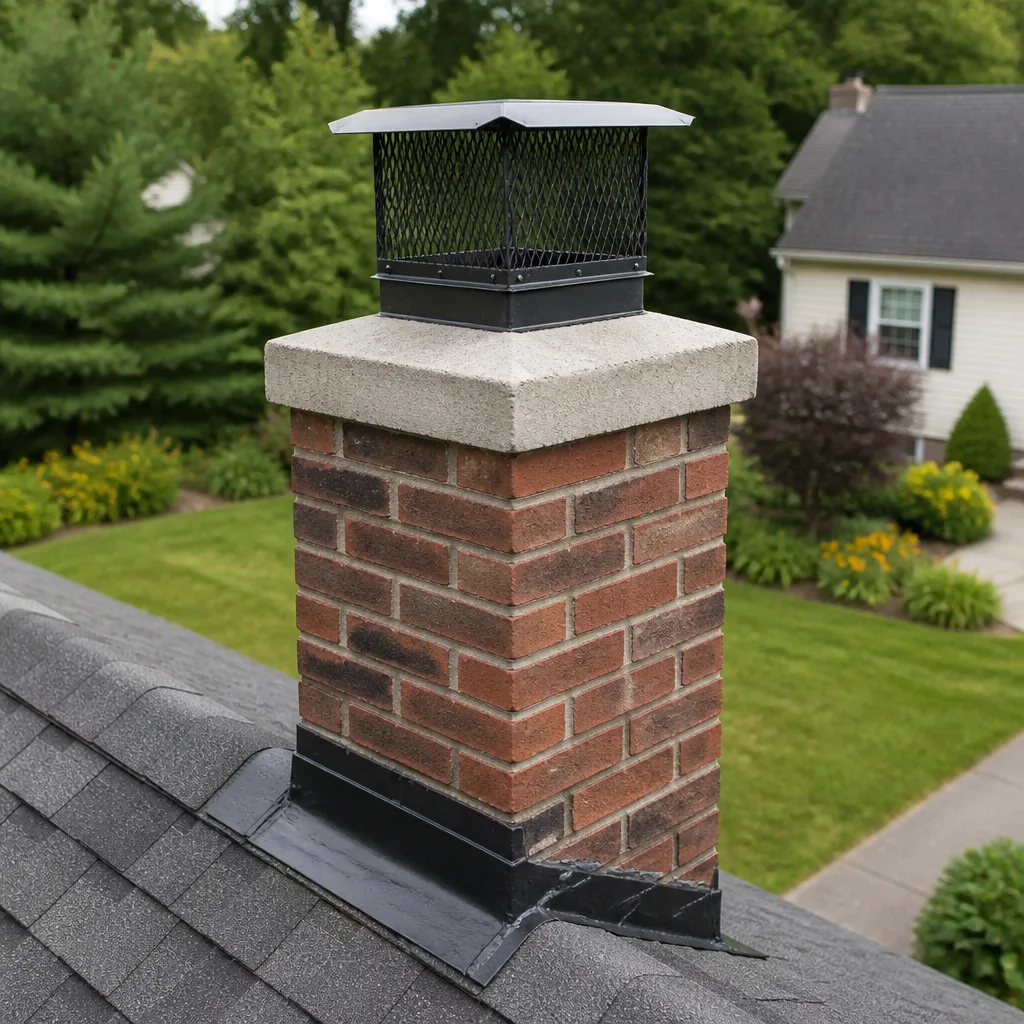 Sweep & inspection
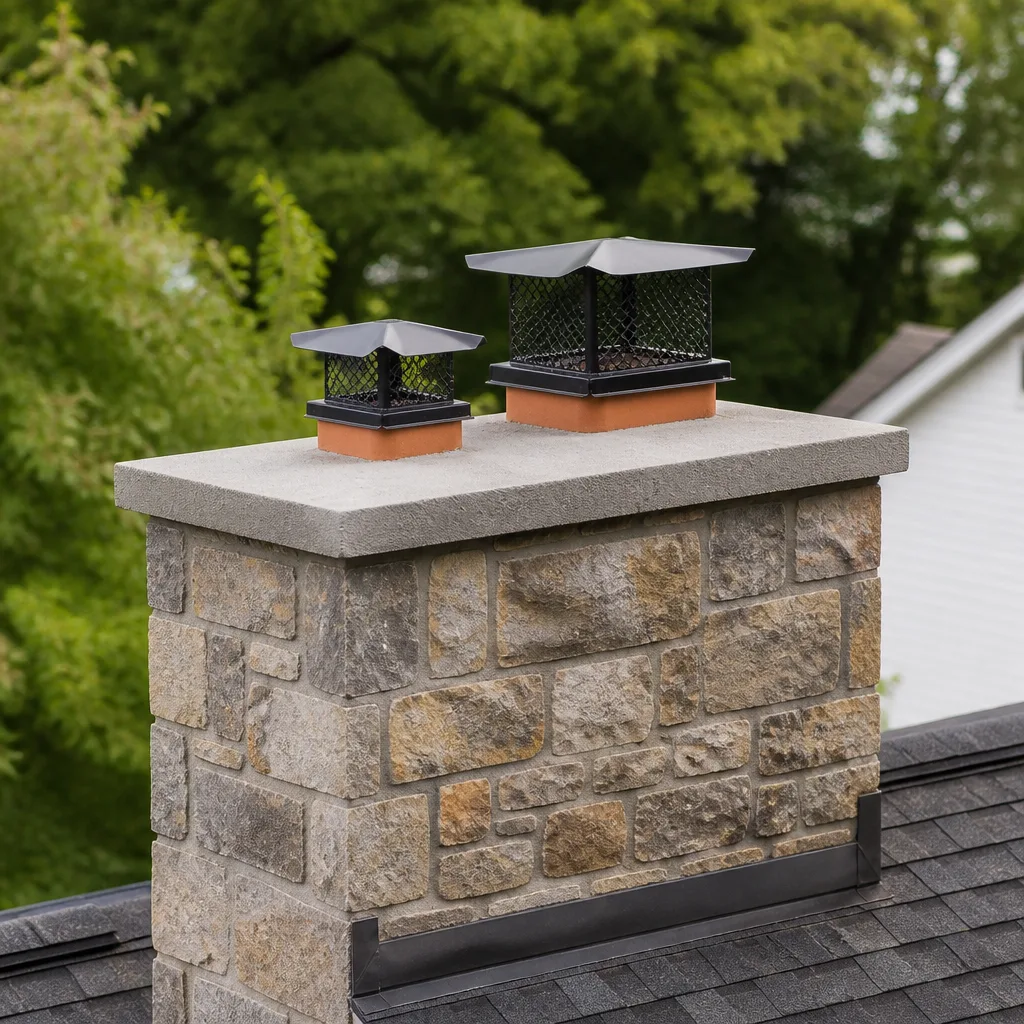 Caps & crowns
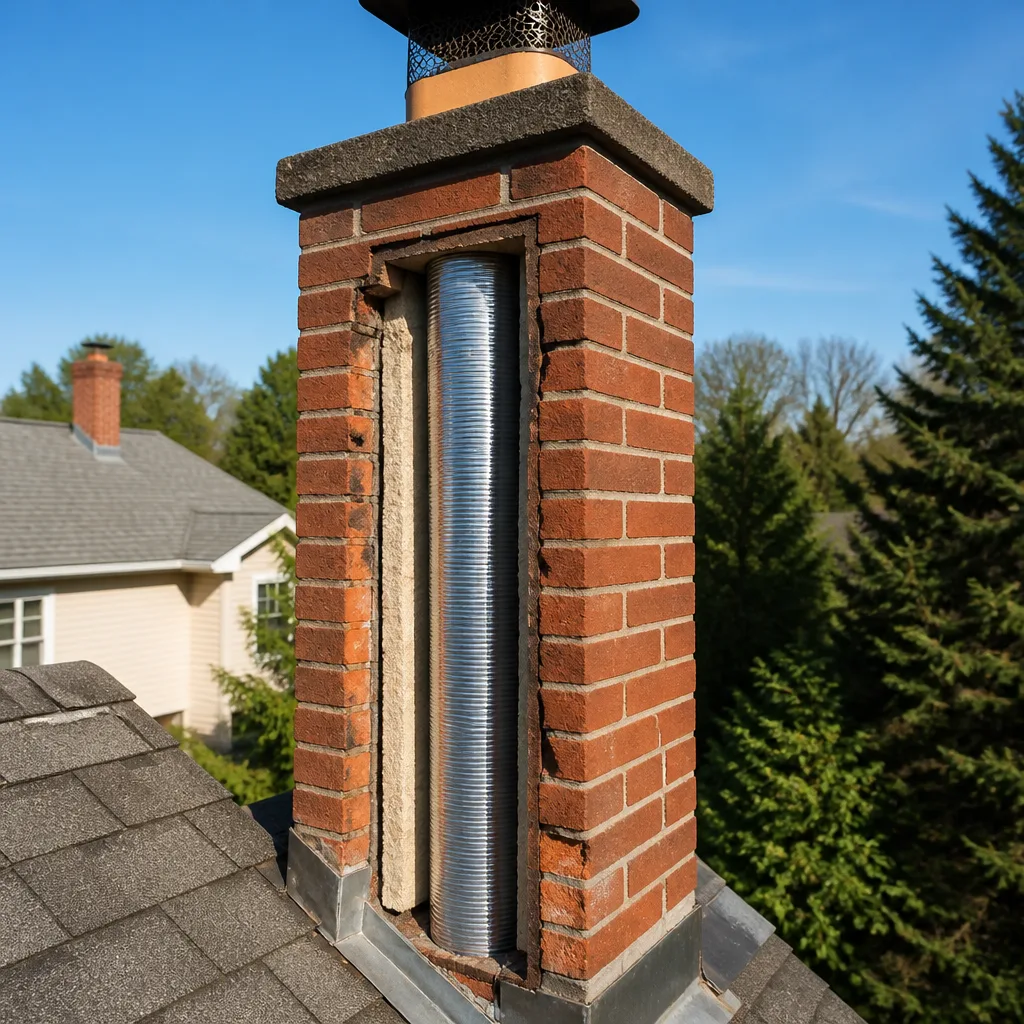 Flue relining
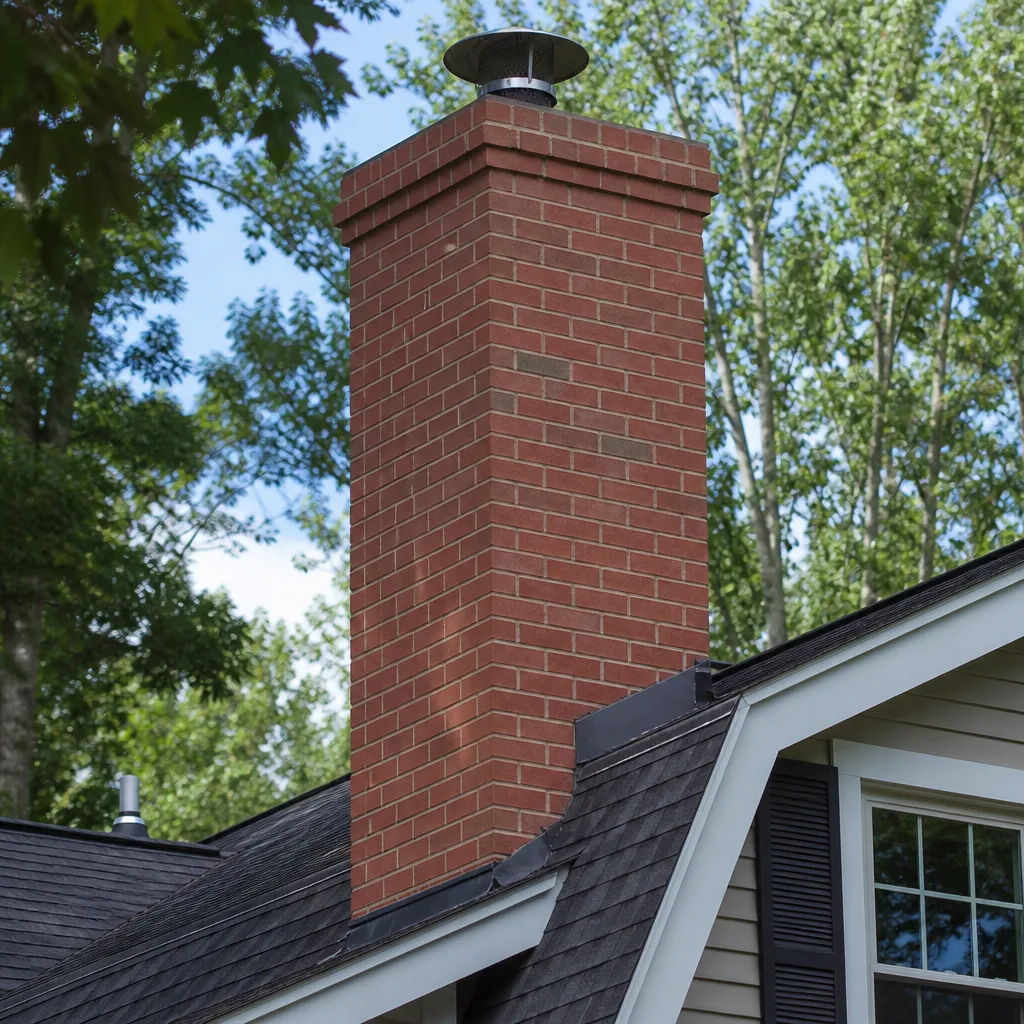 Masonry repair
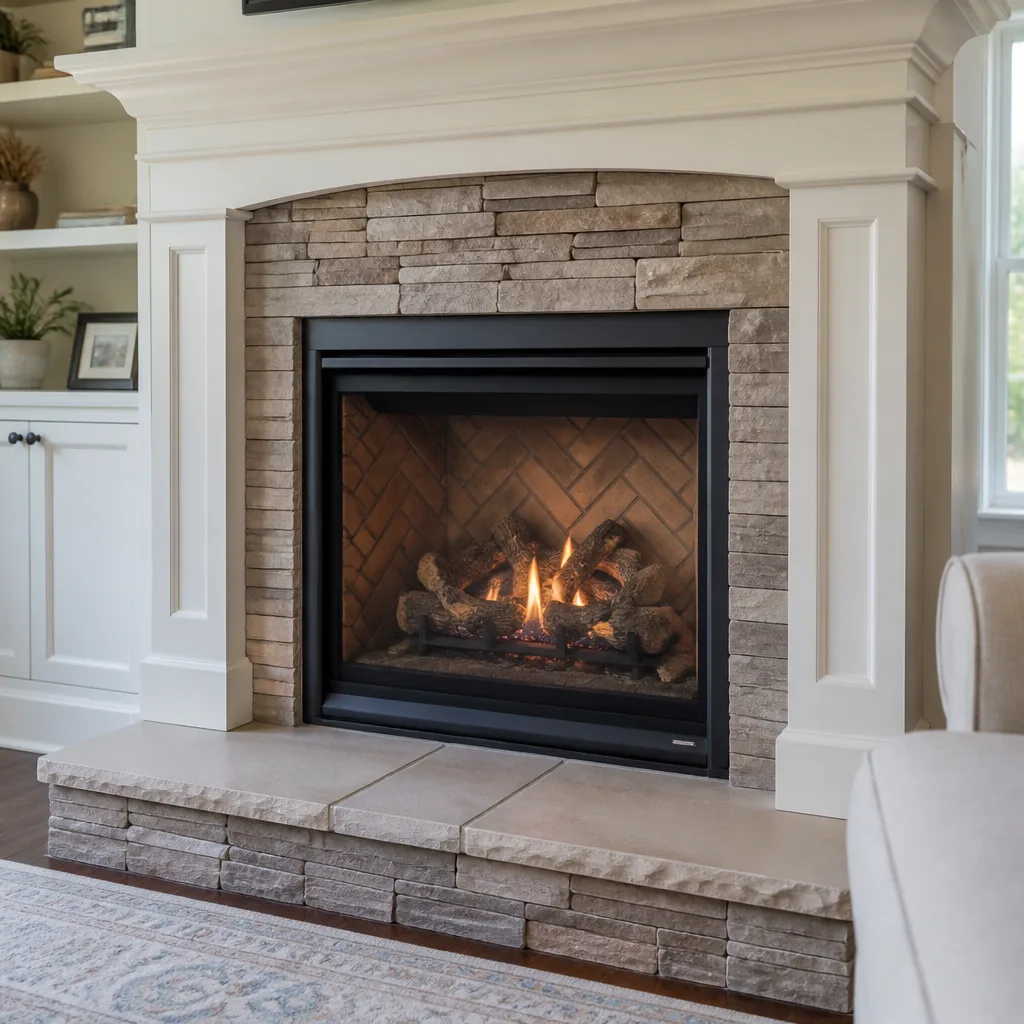 Gas fireplace service
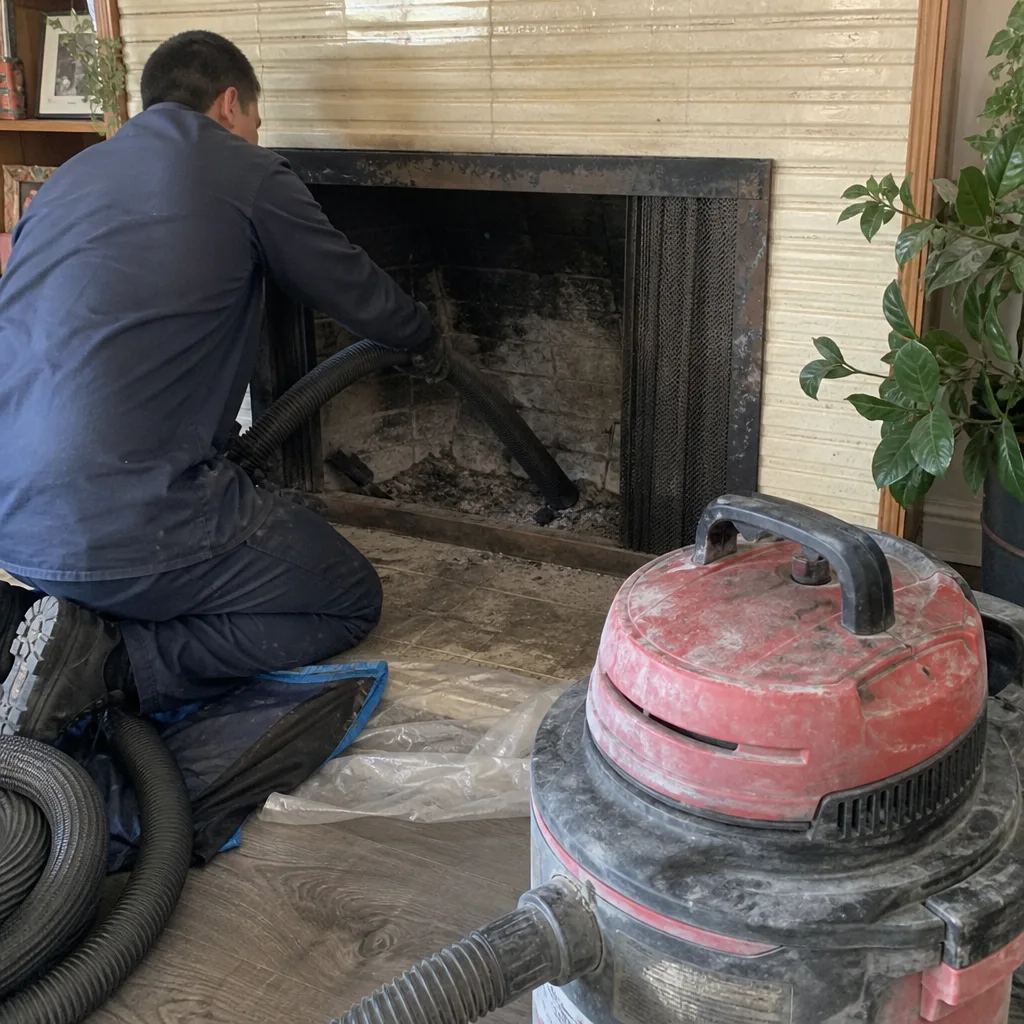
Level 1 sweep and inspection to the NFPA 211 annual standard - flue, crown, cap, and flashing checked and photographed
Chimney sweep logs do not sweep chimneys. They loosen some creosote - which then falls where a brush and vacuum still have to collect it.
Chimney Cleaning Emergency Preparedness Guide for Northridge Homes
After the 1994 Northridge earthquake, FEMA documentation showed something that still surprises homeowners today: a significant percentage of red-tagged chimneys displayed no visible exterior damage. The failures were internal, hidden in the flue liner and smoke chamber, invisible from the ground and undetectable without a proper camera inspection. Northridge sits in one of the most seismically active corridors in Southern California, yet most emergency preparedness guides treat chimney fires and carbon monoxide events as the only emergencies worth planning for. This guide covers what Northridge specifically needs: a post-seismic chimney protocol alongside fire and carbon monoxide response, plus wildfire season pre-staging, insurance documentation, and the exact sequence of actions to take before you light that first fire after the ground stops shaking. For Chimney Cleaning Warning Signs: A Northridge Homeowner’s Reference Guide, see our companion post.
Quick Answer
Chimney emergency preparedness for Northridge homes means planning for three distinct threats: chimney fires, carbon monoxide intrusion from compromised flues, and seismic damage that remains invisible without camera inspection. Before using any fireplace after an earthquake above magnitude 4.0, have the flue liner and smoke chamber camera-inspected; before wildfire season, verify cap integrity, spark arrestor mesh spec, and surrounding clearance. Know the specific sounds and smells of an active chimney fire, understand why chimney-sourced CO behaves differently from appliance CO, and document everything with photos and dated records for insurance and code compliance. Download our Chimney Sweep Maintenance Checklist for Northridge Homeowners to stay organized.
Styles & brands we work with
- Sweep & inspection
- Caps & crowns
- Flue relining
- Masonry repair
- Gas fireplace service
Table of Contents
- The Post-Earthquake Chimney Protocol for Northridge
- Recognizing an Active Chimney Fire From Inside the Home
- Carbon Monoxide: Why Chimney CO Leaks Behave Differently
- Pre-Staging Your Chimney Before Northridge Wildfire Season
- What to Document After Any Chimney Incident
- What Homeowners Can Do Versus What Needs a Professional
- Common Mistakes to Avoid
- When to Call a Professional
- Frequently Asked Questions
The Post-Earthquake Chimney Protocol for Northridge
Northridge sits in one of the most seismically active regions of Southern California. The 1994 event didn’t just damage freeways and apartment buildings; it cracked flue liners, shifted chimney crowns, and separated mortar joints in thousands of homes across the San Fernando Valley. The problem with seismic chimney damage is that it rarely announces itself. A shifted chimney might still look straight from the curb. A cracked flue liner might still draft well enough to fool a basic smoke test. What you can’t see is what matters most.
Here’s the sequence to follow after any earthquake above magnitude 4.0, in this order:
- Do a visual sweep from the ground. Look for obvious issues: a leaning chimney stack, fallen cap, cracked crown visible from the ground, displaced bricks on the roof, or new gaps at the roofline flashing. Use binoculars if you have them. Do not climb onto the roof.
- Check the firebox before touching anything. Open the damper and look inside with a flashlight. Loose brick fragments, visible cracks in the firebrick, or a fine sandy material collecting on the smoke shelf are indicators of movement.
- Do not light a fire, not even a small test fire. If the flue liner has separated at any joint, a fire could vent into the wall cavity or attic. The damage might not be visible from the firebox.
- Schedule a camera inspection before the next burn. A proper chimney inspection uses a closed-circuit camera run through the full flue length. This is the only way to see liner cracks, separation between flue tiles, or a shifted smoke chamber. Chimney Sweep Northridge performs this as part of a standard inspection, and we show you the footage on screen so you see exactly what we see.
- Verify the chimney is still true. In Northridge, some chimneys shifted enough during the 1994 quake that they required tear-down and rebuild. A visual plumb check and structural assessment matter, especially for masonry chimneys that predate modern seismic reinforcement.
The point here is not to treat an earthquake as a schedule reminder for routine sweeping. Seismic events create specific failure modes, and the weather in Northridge, with its hot dry summers and cool rainy winters, will accelerate any post-quake weakness. A crack that starts as a hairline separation in the flue becomes a carbon monoxide pathway within a season.
Recognizing an Active Chimney Fire From Inside the Home
A chimney fire does not look like a fireplace fire that got a little enthusiastic. It’s a separate event occurring inside the flue itself, and the indicators are specific. Knowing them means the difference between containing a chimney fire in its early stages and watching it spread into the wall structure.
Here’s what an active chimney fire typically produces:
- A low, rumbling roar that sounds like a freight train or jet engine passing overhead. This is the sound of intense draft pulling air through the flue at high velocity. It will be louder than anything a normal fire produces.
- Vibration through the chimney breast or wall. The thermal expansion of creosote and the rapid draft can shake the chimney structure visibly. If you place a hand on the wall near the chimney and feel a pulsing vibration, that’s not normal.
- Dense, dark smoke from the chimney top. Ordinary wood smoke is light gray to white. A chimney fire produces thick, dark, sometimes oily-looking smoke, often with visible flame above the cap.
- A hot, acrid smell that doesn’t smell like wood smoke. Burning creosote has a sharp, chemical, almost tar-like odor. Some homeowners describe it as smelling like burning plastic mixed with asphalt.
- Flakes of creosote falling into the firebox. During an active chimney fire, burning creosote can dislodge and fall as glowing or charred pieces. If you see this, the fire has reached a significant stage.
If you recognize these signs, here is the exact action sequence:
- Close the damper fully. This cuts the air supply to the flue. Do not open it to check the fire.
- Close any glass doors on the fireplace. This helps contain embers and reduces the draft.
- Evacuate the home. Do not wait to see if the fire dies down. Chimney fires can spread into wall cavities, attics, and roof structures in minutes.
- Call 911 from outside the house. Let the fire department handle containment. Do not attempt to extinguish the fire with water, which can shatter the flue liner and make the situation worse.
- Do not use the fireplace again until a full camera inspection. After a chimney fire, the flue liner may be cracked, the mortar joints damaged, or the cap assembly warped. A visual check is not sufficient.
In our experience, the homeowners who catch chimney fires early are the ones who know the sound. The rumble is unmistakable once you’ve heard it described. If you hear something that sounds like a low-flying jet passing over your Northridge home and there’s no jet, act.
Carbon Monoxide: Why Chimney CO Leaks Behave Differently
Carbon monoxide from a chimney behaves differently from CO from a gas appliance, and standard detector placement often misses it. This is one of the most overlooked distinctions in Northridge home safety.
Appliance-sourced CO, from a gas water heater or furnace, tends to disperse through the living space from a single point. Chimney-sourced CO follows a different path. When a flue liner cracks or a mortar joint separates, combustion gases can exit the flue sideways into wall cavities, between floor joists, or into the attic. From there, CO migrates along structural pathways. It may enter bedrooms through wall outlet openings, the gaps around ceiling light fixtures, or along the top plate of a wall. It does not necessarily flow through hallways or open rooms first, which is where most CO detectors are mounted.
This matters for two reasons in Northridge specifically:
- Older masonry chimneys predominate. Homes built before modern building codes often have unlined or clay-tile-lined flues. Age plus seismic activity equals a higher probability of internal gaps that allow lateral gas migration.
- Detector placement should reflect the structure, not the appliance. For chimney-sourced CO, the relevant zones include attics, ceiling-level points in bedrooms directly adjacent to the chimney structure, and any room with an exterior wall shared with the chimney chase. A single CO detector in the hallway outside the kitchen will not catch a leaked plume that travels through the wall cavity and enters the master bedroom ceiling first.
The specific symptoms of chronic, low-level chimney CO exposure are not the dramatic collapse-and-faint scenario from safety videos. They include headaches that improve when you leave the house, sleepiness that isn’t explained by poor sleep, mild nausea, and a general sense of mental fog. In winter, when windows stay closed and fireplaces see regular use, these symptoms are easy to attribute to colds, stress, or poor ventilation.
If you burn wood or use a gas fireplace in a Northridge home with an older chimney, and anyone in the household experiences persistent headache or fatigue that improves away from home, treat that as a chimney inspection issue, not just a medical one. The fix might be as straightforward as a flue liner repair using HeatShield resurfacing technology, which restores the liner surface without a full teardown. But you won’t know until the flue is camera-inspected.
Pre-Staging Your Chimney Before Northridge Wildfire Season
Wildfire preparedness for a chimney is not the same as defensible-space landscaping, but it follows the same logic. You’re reducing the ways fire can enter your home or your chimney can contribute to a problem. Northridge sits in a zone where seasonal Santa Ana winds drive the worst fire conditions, and a chimney with a missing or damaged spark arrestor is a liability during those wind events.
Here’s the pre-staging sequence, ideally completed in late spring before the heat sets in:
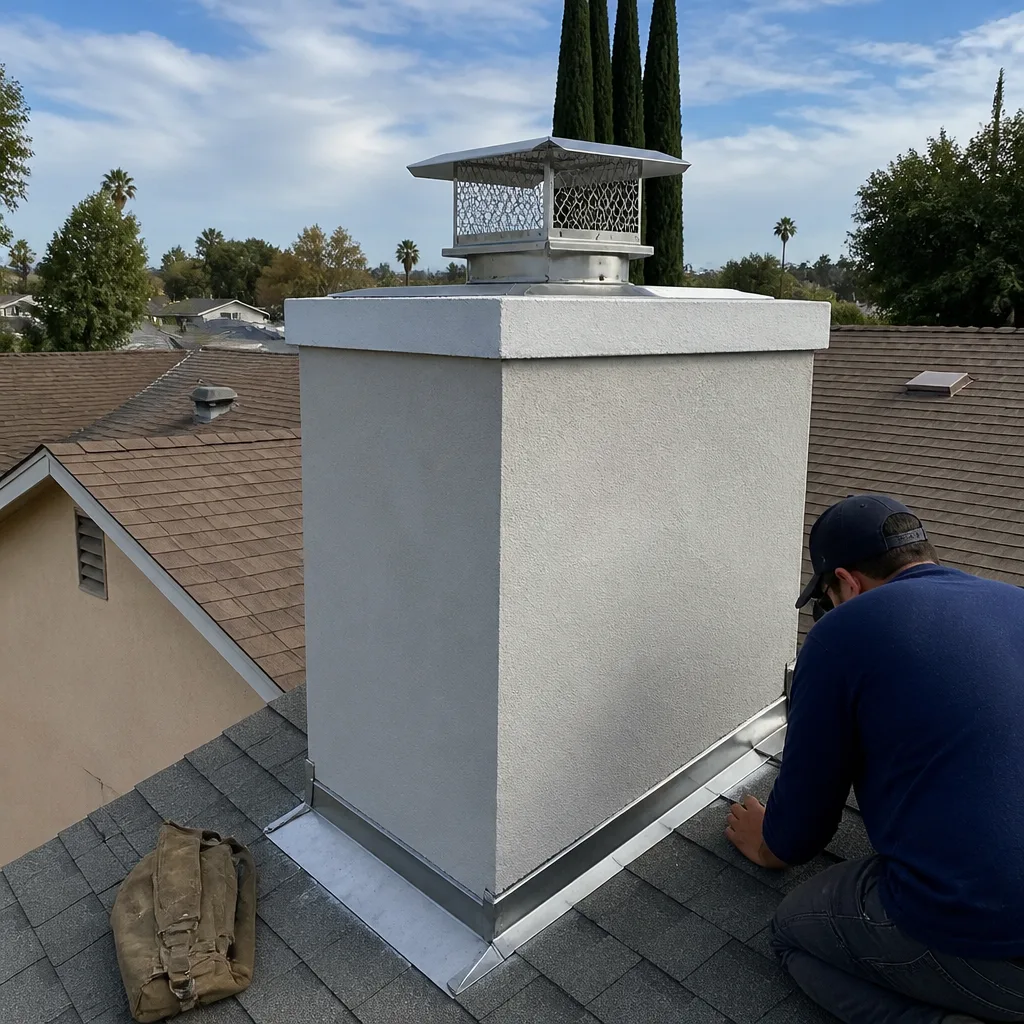
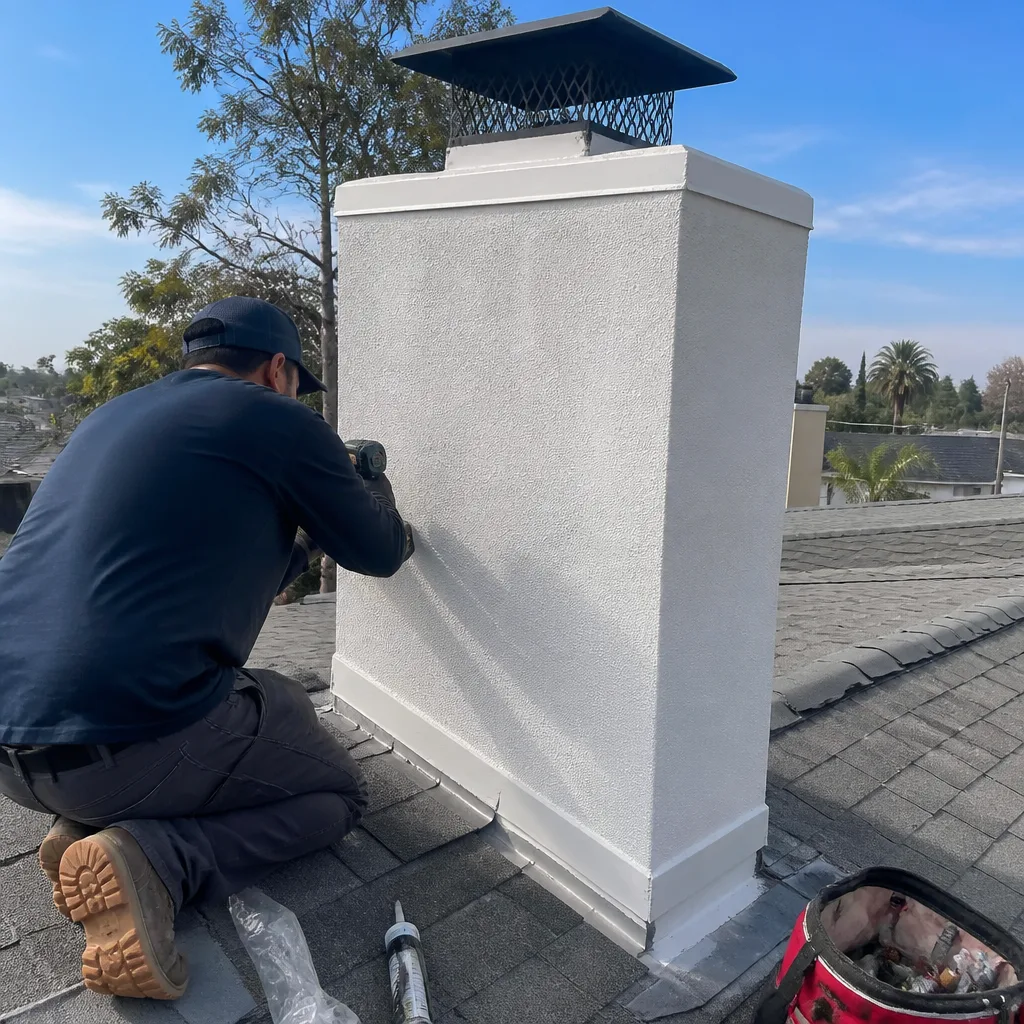
- Verify cap integrity. The chimney cap is your first line of defense against ember intrusion and wind-driven debris. A missing or cracked cap allows airborne embers from a nearby wildfire to enter the flue and land on whatever creosote is present. It also allows rain, birds, and debris to enter during the off-season. We install Famco and Copperfield caps, which are built to professional specifications and sized for the specific flue.
- Check the spark arrestor mesh spec. A spark arrestor should have mesh openings small enough to catch embers, typically no larger than 5/8 inch, while still allowing adequate draft. If the mesh is corroded, torn, or missing entirely, the arrestor is not doing its job. This is one of those details that gets overlooked in a visual-only inspection.
- Clear surrounding materials. Inspect the roof area within 10 feet of the chimney. Dry leaves, pine needles, and accumulated debris on the roof or in gutters are ignition points during ember storms. In Northridge, where eucalyptus and pine are common in older neighborhoods, this matters year-round but especially from September through November.
- Have the flue swept if it’s been used at all. Even a season of occasional fires produces creosote. During wildfire conditions, you may not have the ability to evacuate immediately, and any fire in the fireplace under high-wind conditions is safer with a clean flue. A Creosote is fuel, and an ember in the wrong place inside the flue is the start of something serious.
- Confirm the damper seals completely. A damper that doesn’t close tight is an open pathway between your living space and the outside air. During wildfire smoke events, this matters because it allows particulate intrusion even when the fireplace isn’t in use. It also creates a draft path during Santa Ana wind events.
One point that gets repeatedly overlooked in Northridge: wildfire season is also when you’re most likely to lose power. If you’re planning to use your fireplace as a backup heat source during an outage, the flue needs to be in good enough condition for sustained use, not occasional recreational burning. A chimney that’s fine for a few hours on a winter evening may not be safe for three days of continuous use.
What to Document After Any Chimney Incident
Documentation matters for insurance claims, code compliance, and your own records. The more organized you are in the first 24 hours after a chimney fire, a CO scare, or earthquake-related damage, the smoother the entire process becomes.
Here’s what to capture:
- Dated photographs of visible damage. Take wide shots showing the chimney in context of the home, then close-up images of cracks, displaced mortar, damaged caps, or flue liner fragments. Include a date stamp if your camera or phone supports it.
- The inspection footage. A camera inspection produces video and still images of the flue interior. Chimney Sweep Northridge provides you with the footage and a written report. Keep both. This is the single most persuasive piece of evidence for an insurance adjuster because it shows internal damage that would otherwise be invisible.
- Written notes on the sequence of events. For a chimney fire: what time you first heard the sound, what you did, when you called 911, what the fire department observed. For a CO incident: what symptoms were present, when they started, when the detector went off, and what the fire department measured with their instruments.
- Any repair quotes and the final invoice. Insurance companies want to see that the work was necessary, not elective. A quote that references cracked flue tiles observed via camera carries more weight than one that simply says “chimney repair needed.”
- The repair materials used. If your chimney required liner restoration, note the specific method and materials. HeatShield resurfacing, for example, is a factory-certified process with documentation that can be provided to an adjuster. This reinforces that the repair was substantive, not cosmetic.
For Northridge residents specifically, keep records that reference seismic events. If you notice cracking in the months following an earthquake and have documented a camera inspection showing a previously intact liner, that establishes cause and effect. Insurance claims tied to seismic damage are more successful when the timeline is clear.
What Homeowners Can Do Versus What Needs a Professional
There is a line between responsible homeowner diligence and work that should never be attempted without training and specialized equipment. Knowing where that line sits is part of preparedness.
What you can do safely:
- Check your chimney cap and spark arrestor from the ground using binoculars.
- Look for visible cracks in the firebox, mortar joints, or visible smoke stains on the ceiling near the chimney.
- Test your CO detectors monthly and replace batteries on schedule.
- Keep the area around the fireplace clear of flammable materials.
- Monitor how your fireplace behaves during normal use: unusual odors, smoke entering the room, or poor drafting are signs that something has changed.
What requires a professional:
- Any work on the roof. Falls from roofs are a leading cause of home-injury death in the U.S., and chimney access on a single-story Northridge home is still high enough to be fatal.
- Flue liner inspection. Only a camera can see inside, and interpreting what the camera shows takes training.
- Liner restoration or repair. Flue liners are a critical safety barrier. Work on them affects draft, combustion efficiency, and CO risk. Using the right materials matters. HeatShield resurfacing, for example, is a specific process that requires certification and factory-specified application procedures.
- Chimney cap replacement. Selecting the right cap for the flue size, height, and wind exposure affects draft performance. This isn’t a big-box one-size-fits-all item.
- Any repair following a chimney fire. The thermal stress of a chimney fire changes the flue liner in ways that are not visible without camera work. Even if the chimney works fine afterward, hidden cracks are a future CO pathway.
Chimney work involves serious fire-safety components. A high-tension situation exists not in the same way as a garage door spring, but in the sense that an incorrectly repaired flue liner or improperly sized cap can silently create a CO hazard in your own home. Trained professionals exist for a reason.
Common Mistakes to Avoid
- Doing a visual inspection after an earthquake and declaring the chimney fine. The most dangerous seismic damage is internal. What you can see from the ground tells you almost nothing about liner condition. Camera inspection is the only meaningful check.
- Assuming a working CO detector covers chimney-sourced carbon monoxide. Detector placement matters. A chimney leak that enters the bedroom through a wall cavity will not trigger a hallway detector until the concentration is already dangerous.
- Treating a chimney fire as a one-time event that doesn’t require follow-up. After any chimney fire, the flue liner must be camera-inspected. Thermal stress creates cracks that may not reveal themselves until a fire months or years later.
- Replacing a chimney cap with a generic big-box product. Cap sizing, mesh spec, and material affect how the fireplace drafts. A wrong-sized cap can cause smoking problems that look like a dirty flue but aren’t. We stock Famco and Copperfield caps, which are built to spec and last.
- Waiting until fall to schedule a sweep in Northridge. Fall is the busiest season for chimney work, and the best time for an inspection is actually late spring or early summer, after the rainy season ends and before the heat builds. This also means your chimney is pre-staged before wildfire season begins.
- Ignoring a small crack in the firebox or visible mortar joint. Cracks widen with temperature cycling, and in Northridge’s climate, with hot summers and cool winters, the expansion and contraction cycle is constant. A small crack is an early warning, not a problem that sorts itself out.
- Not documenting a chimney incident because the fire department said everything was fine. The fire department’s job is to make sure your house isn’t on fire. Their inspection does not replace a camera inspection of the flue interior, and their report will not be detailed enough for an insurance claim.
When to Call a Professional
Call a professional if you hear the rumble of a chimney fire, if your CO detector sounds and you’ve ruled out appliance issues, if you’ve felt an earthquake above 4.0 and haven’t had the flue camera-inspected, or if you notice water stains, smoke smell, or visible cracking near your chimney. Regulations vary by municipality, so review Chimney Cleaning Permits, Codes & Inspections in CA: What You Need to Know before scheduling work. Chimney Sweep Northridge offers free estimates in Northridge, and our inspections include camera footage you can watch yourself. We’ll show you what we find and explain what actually needs attention right now versus what can wait. Call (833) 589-9223 to book an inspection or discuss a specific concern.
Frequently Asked Questions
A chimney should be swept at least once per year if you burn wood regularly, and ideally before the burning season starts. In Northridge, where fireplaces see seasonal use rather than daily winter use, annual sweeping is still the right baseline because creosote accumulates even with moderate use, and a year is enough time for bird nests, debris, and moisture to create blockages or deterioration. If you burn more than two cords of wood per winter season, a mid-season sweep is warranted. Call (833) 589-9223 for an exact quote, estimates are free.
A standard chimney sweep in Northridge typically costs between $150 and $300 depending on the flue condition, accessibility, and whether repairs are needed. A camera inspection is often included or available as an add-on, and it’s the only way to see internal liner damage that routine sweeping won’t reveal. Additional work like cap replacement, liner restoration, or masonry repair is quoted separately based on what the camera inspection shows. Call (833) 589-9223 for an exact quote, estimates are free.
You can verify liner condition yourself by watching the camera footage. A cracked or separated clay tile liner is visible on screen, and you’ll see exactly what we see. In many cases, full liner replacement isn’t necessary, HeatShield resurfacing can restore the liner surface at a lower cost and with less disruption than a complete relining, but only when the structural damage is limited to surface deterioration. If you’re told you need a new liner, ask to see the camera evidence and a written explanation of what the footage shows. At Chimney Sweep Northridge, we show the footage before recommending any repair. Call (833) 589-9223 for a camera inspection in Northridge.
Creosote accumulates with every fire, and in a worst-case scenario you’re building up fuel for a chimney fire that could occur without warning. Even in a best-case scenario, you’re letting moisture, soot, and creosote sit in the flue year-round, which accelerates liner deterioration and can lead to drafting problems, smoke intrusion, and ultimately more expensive repairs. A year or two of skipped maintenance won’t necessarily cause a fire, but it turns a $200 sweeping visit into a $2,000 or $4,000 repair if the liner degrades. Call (833) 589-9223 to get your chimney checked in Northridge.
Ideally within a week or two of any earthquake above magnitude 4.0, but only after the immediate safety of your home has been addressed. The urgency comes from the fact that internal flue damage can’t be seen from the ground and a cracked liner can allow CO to enter the home during your next fire. Many Northridge homeowners schedule inspections after a significant seismic event as a precaution, even if the chimney looks fine. Call (833) 589-9223 to schedule a camera inspection.
You can use your fireplace during Santa Ana wind events, but only if the flue is clean, the cap and spark arrestor are intact, and the damper seals properly. High winds create strong draft, which is generally good for fireplace performance, but they also create conditions where an ember from your chimney can travel farther and remain hot longer. A functioning spark arrestor with the correct mesh spec is essential during these events. If you’re unsure about your cap condition, schedule an inspection before fire season peaks. Call (833) 589-9223 for a Northridge chimney inspection.
The Bottom Line
Emergency preparedness for a Northridge chimney means more than having a fire extinguisher by the hearth. It means recognizing the specific sounds and smells of a chimney fire, understanding why chimney CO leaks require different detector placement than appliance CO, and treating seismic events as a trigger for camera inspection rather than a visual once-over. It means pre-staging your cap, spark arrestor, and damper before wildfire season and documenting everything with footage and written records. A well-maintained chimney in Northridge is one where the flue liner has been seen by camera, the cap was built to spec, and the homeowner knows the difference between a fireplace working hard and a fireplace trying to tell them something is wrong.
If you’d like a full chimney inspection with camera documentation in Northridge, call Chimney Sweep Northridge at (833) 589-9223. We’ll show you exactly what’s going on inside your flue and explain what needs attention now, what can wait, and what it costs. No pressure, no scare tactics, just the footage and the facts.
For more on our full range of chimney and vent services, visit the Chimney Sweep Northridge home page, learn more about Chimney Sweep in Northridge, check out our Dryer Vent Cleaning in Northridge service for a fire hazard that gets overlooked, or see how we handle Chimney Repair in Northridge with specification-grade parts from brands professionals trust.
Written by the team at Chimney Sweep Northridge, serving Northridge since 2012. Browse more guides & resources on chimney safety and maintenance.
See the difference
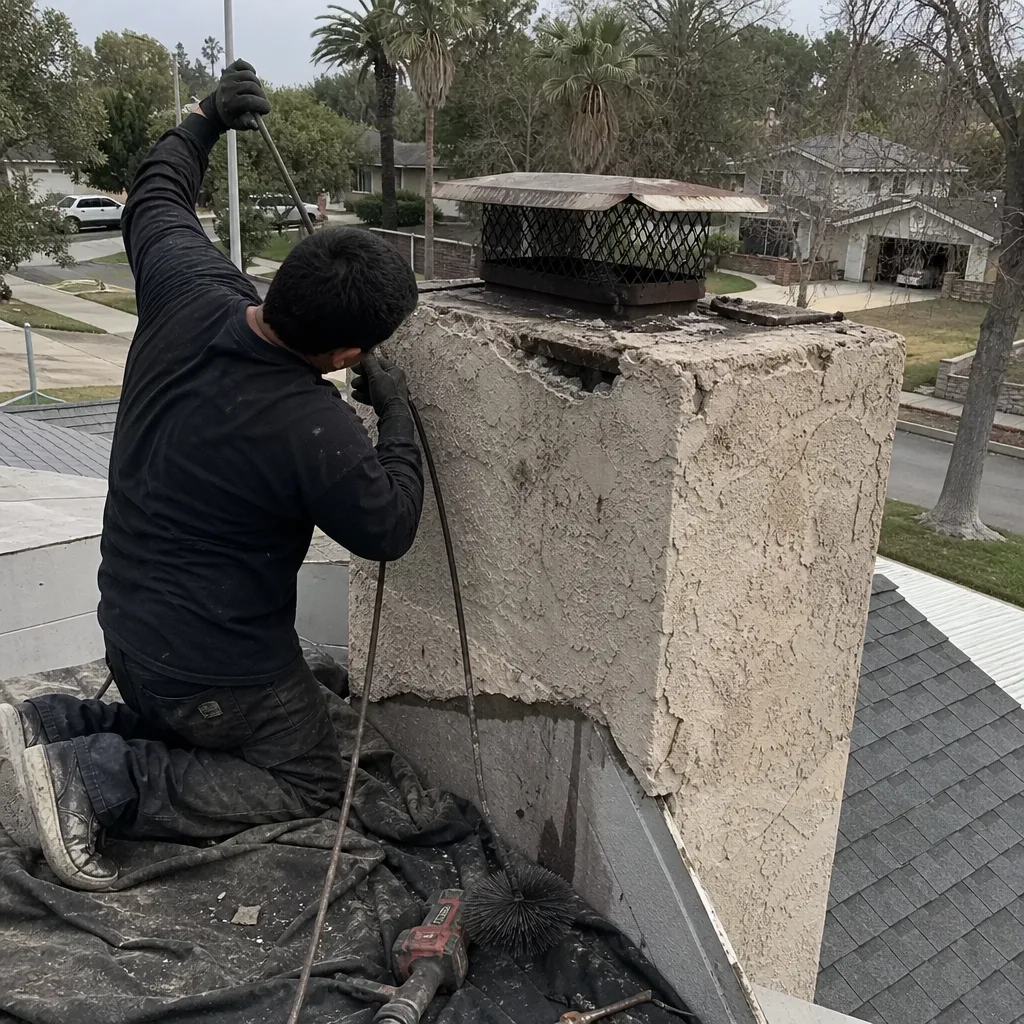 Before
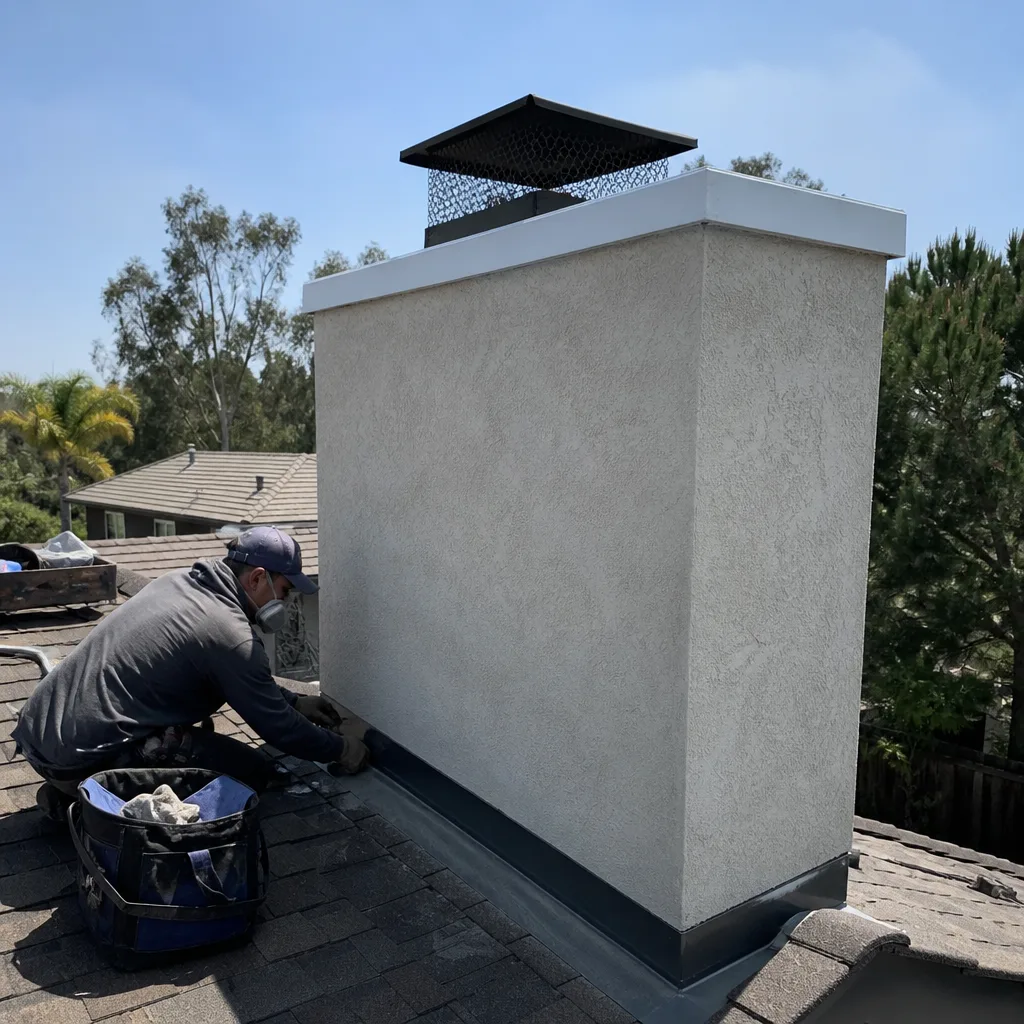 After
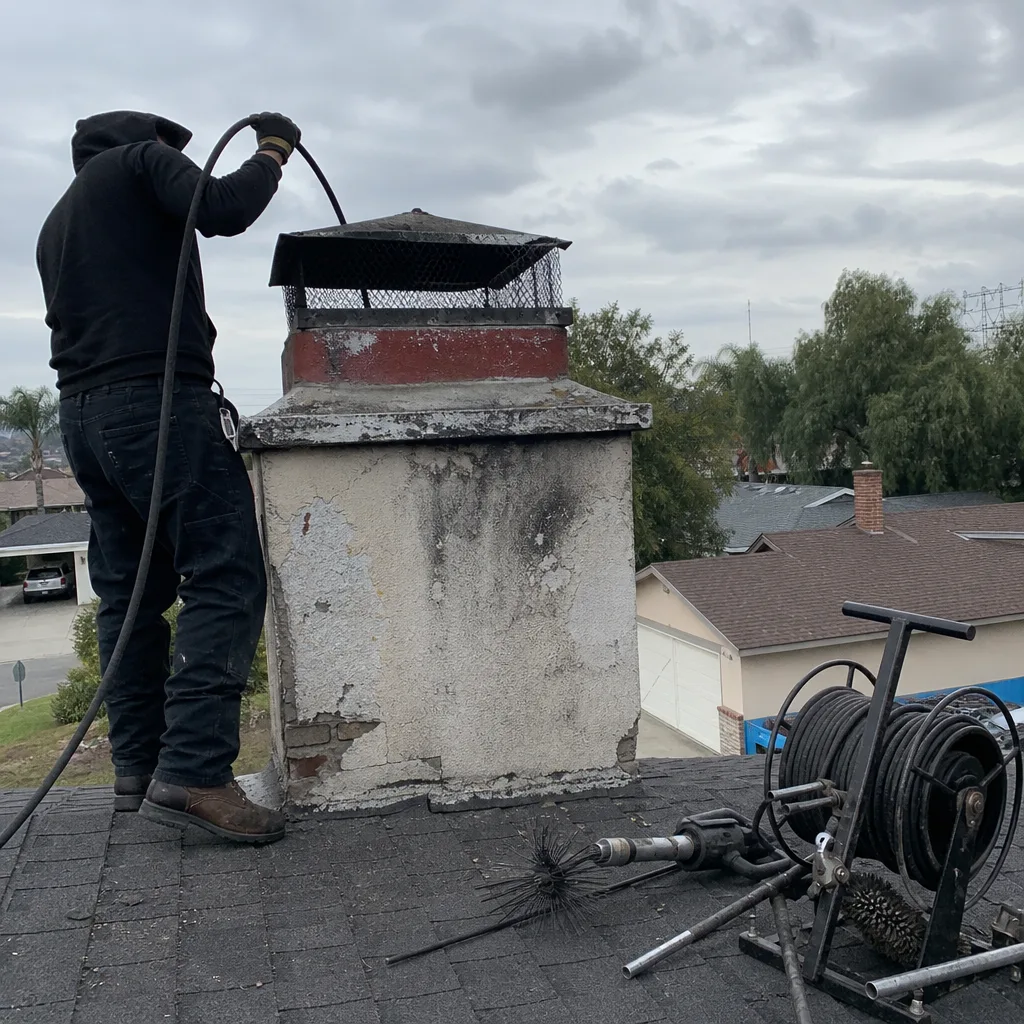 Before
 After
 Before
 After