
Last updated November 2, 2026
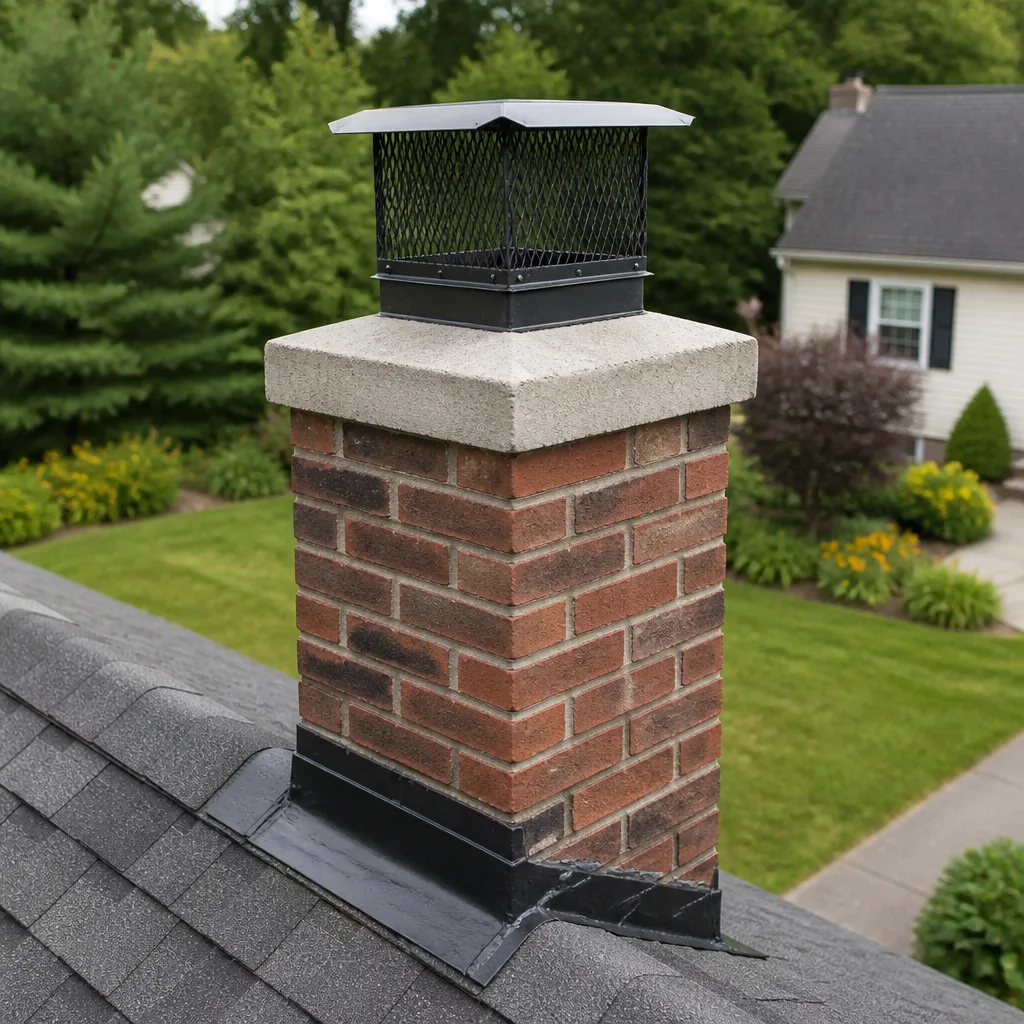 Sweep & inspection
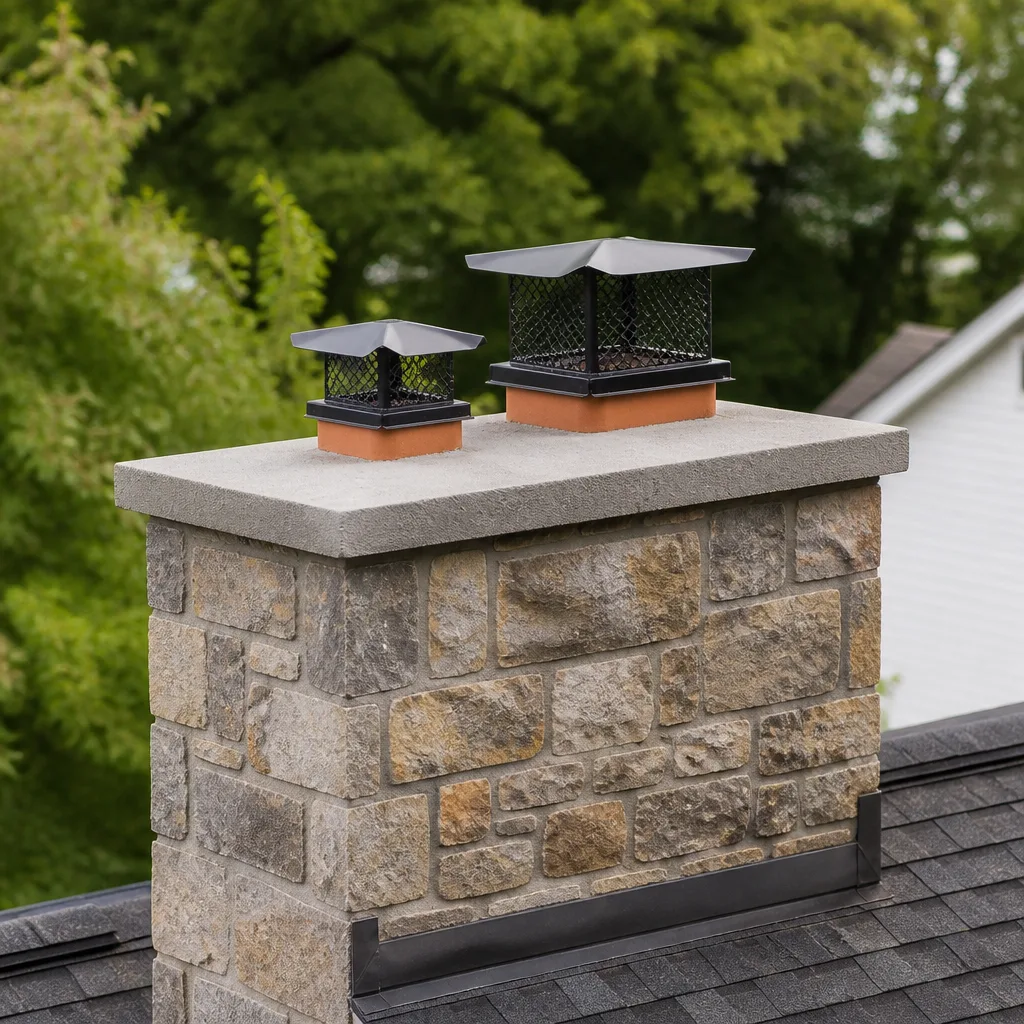 Caps & crowns
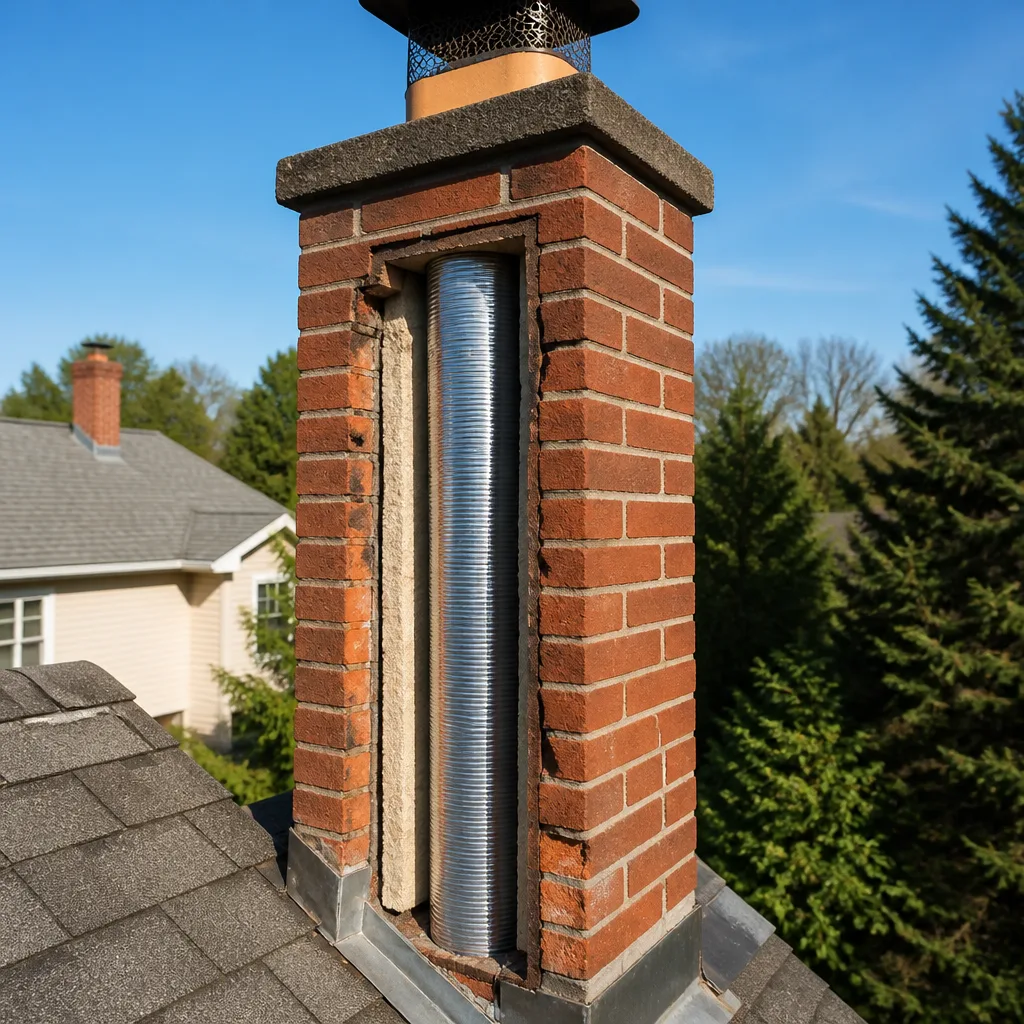 Flue relining
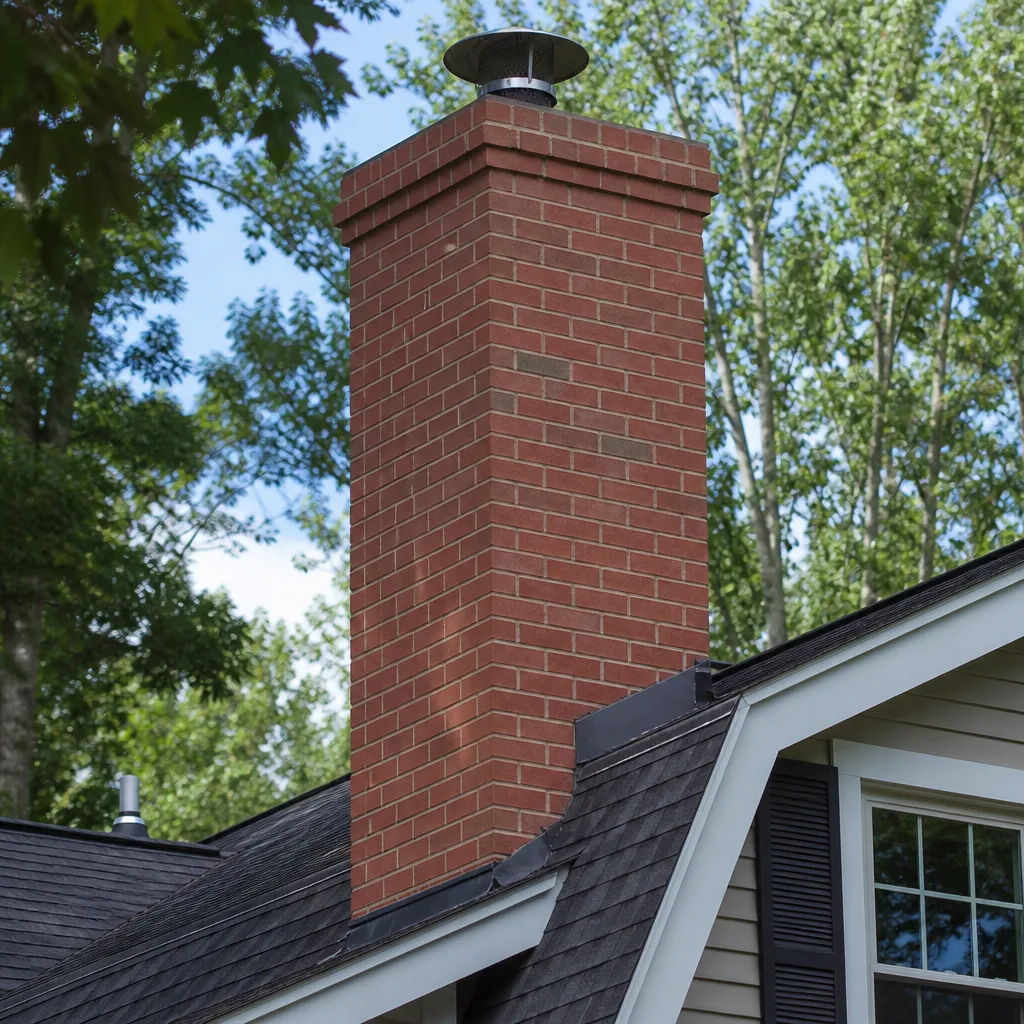 Masonry repair
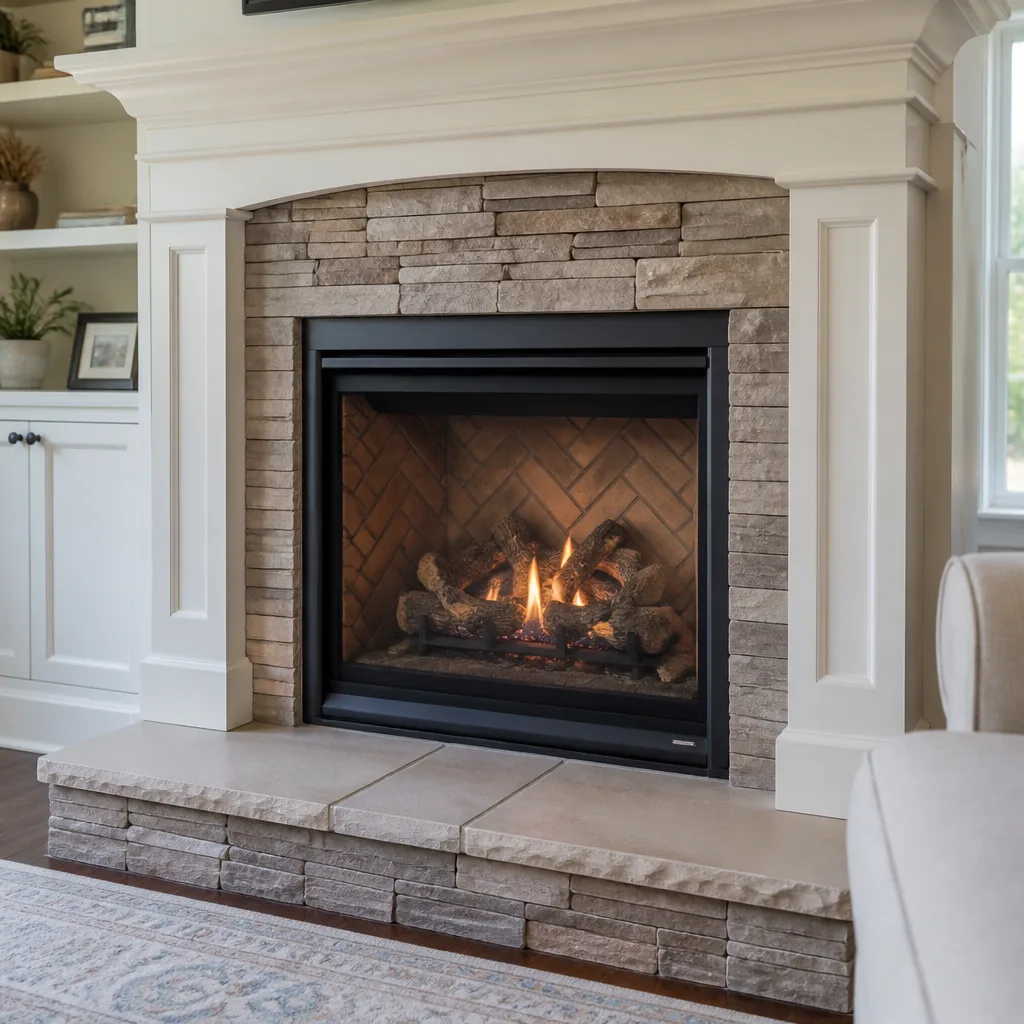 Gas fireplace service
Level 1 sweep and inspection to the NFPA 211 annual standard - flue, crown, cap, and flashing checked and photographed
Chimney sweep logs do not sweep chimneys. They loosen some creosote - which then falls where a brush and vacuum still have to collect it.
Chimney Cleaning Cost Breakdown: The Northridge Homeowner’s Reference for 2026
A $149 chimney cleaning and a $349 chimney cleaning in Northridge can both be exactly the right price, or both be wrong. The number alone tells you nothing. The scope behind it tells you everything. What most comparison searches miss is that “chimney cleaning” isn’t one service, it’s a category, and a two-story 1970s tract home off Tampa Avenue has different access requirements than a single-story ranch off Corbin. This guide breaks down what actually drives chimney cleaning costs in Northridge in 2026, line by line, so you can evaluate any quote on substance, not sticker shock. For related reading, see our Chimney Cleaning Warning Signs: A Northridge Homeowner’s Reference Guide. You’ll learn what a base sweep covers, which add-ons are legitimate, which ones aren’t, and how contractor overhead in Los Angeles County creates a price floor that’s easy to spot, if you know what to look for.
Styles & brands we work with
- Sweep & inspection
- Caps & crowns
- Flue relining
- Masonry repair
- Gas fireplace service
Quick Answer
Chimney cleaning in Northridge typically costs $79 to $450 in 2026. A standard sweep of an accessible, single-story fireplace flue runs $149 to $229. The higher end reflects multi-story access, steep roof pitches, heavy creosote buildup, camera inspections, and component replacements like caps or dampers. The price difference almost always comes down to access difficulty, material condition, and the professional-grade parts included, not contractor markup.
Table of Contents
- The Line-Item Cost Model: What You’re Actually Paying For
- What a Base Sweep Covers and What It Doesn’t
- Legitimate Add-Ons: What Should Cost Extra
- What Should Never Be an Upsell
- Why Northridge Contractor Overhead Creates a Price Floor
- How Home Design Affects Your Sweep Cost
- Material Cost Transparency: Wholesale vs. Installed
- Structuring a Multi-Service Appointment to Save Money
- Common Mistakes to Avoid
- When to Call a Professional
- Frequently Asked Questions
- The Bottom Line
The Line-Item Cost Model: What You’re Actually Paying For
When you hire a chimney sweep, you’re not paying for a single action. You’re paying for a sequence of discrete tasks, each with its own labor time, equipment wear, and material cost. Understanding this sequence is how you evaluate whether a quote reflects real work or padded billing. In Northridge, where homes range from 1950s ranches to 1990s subdivisions with complex rooflines, the line-item breakdown varies. But the model stays consistent.
Here’s how a typical sweep invoice should break down, using 2026 Northridge market rates:
- Base sweep labor (flue brushing, smoke shelf clearing, firebox cleanup): $79 to $180. This is the core service. One to two hours of work, depending on flue length and creosote stage.
- Access and safety setup (roof ladder, harness, drop cloths, HEPA vacuum positioning): $30 to $75. Single-story interior access is cheapest. Exterior roof access on a two-story home with a 6/12 pitch or steeper adds real time and risk.
- Creosote removal surcharge (Stage 2 or Stage 3 glaze): $40 to $120. If you burn unseasoned wood or haven’t swept in 3+ years, expect this. Glazed creosote requires chemical treatment or rotary tools, not just wire brushing.
- Camera inspection (pre- or post-sweep): $75 to $150. This is optional but valuable, especially in older Northridge homes where clay tile liners may have shifted after decades of minor seismic activity.
- Component replacement (cap, damper, crown coating): $80 to $450 installed, depending on the part and access. This is where brand choice matters most.
A $149 sweep covers the base labor and access on a single-story home if the flue is in reasonable condition. A $349 sweep usually includes multi-story access, heavy creosote treatment, and a camera inspection. Neither price is inherently suspicious. What matters is whether the contractor explains these line items before starting and shows you evidence of what they found.
At Chimney Sweep in Northridge, we quote flat prices before booking, not after. You know the scope before we arrive. That’s how we think it should work.
What a Base Sweep Covers and What It Doesn’t
A standard chimney sweep removes combustible creosote from the flue walls, clears the smoke shelf and smoke chamber of debris, and cleans out the firebox. It includes a visual inspection of accessible components. It does not include repairing anything. If a sweep quotes you $99 and implies that covers cap replacement, liner assessment, and damper adjustment, that’s a red flag. The base service is mechanical cleaning, period.
Here’s the step-by-step of what a proper sweep in a Northridge home should involve:
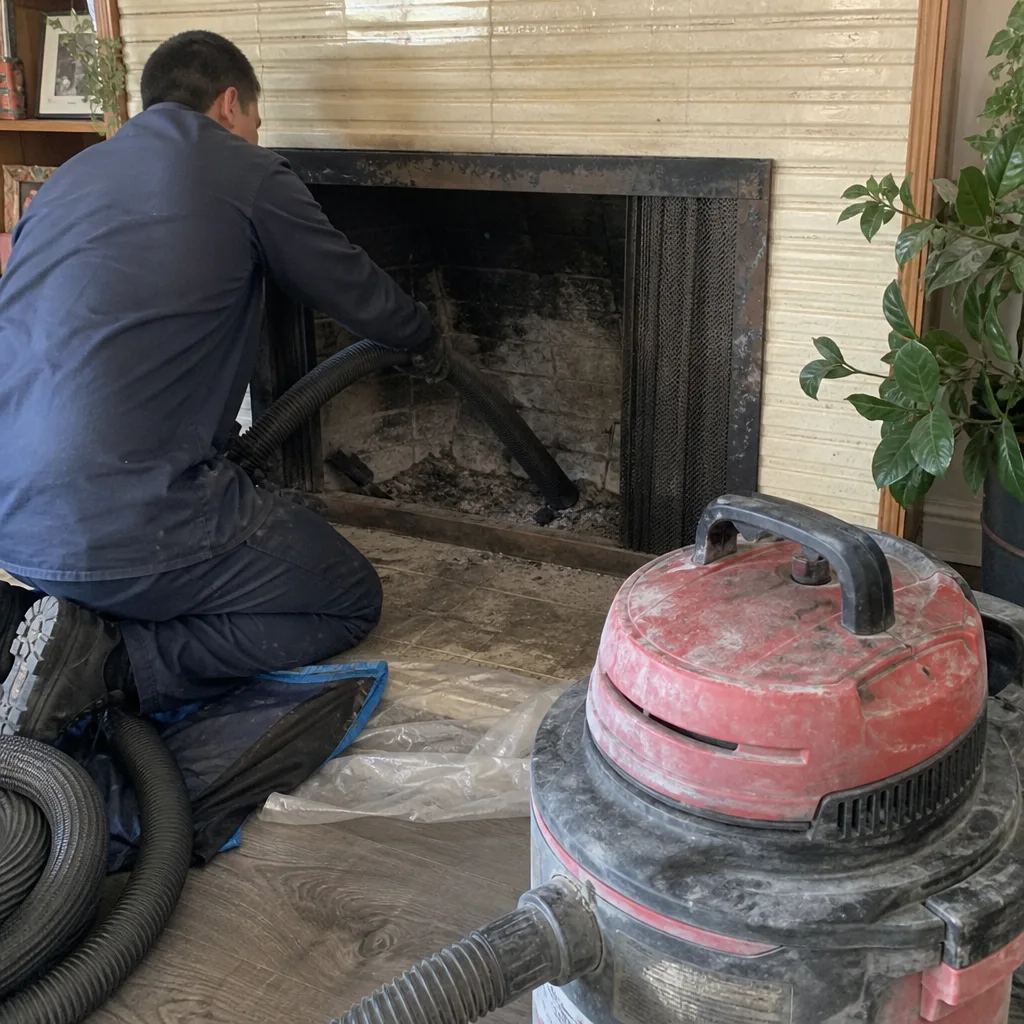
- Site protection. Drop cloths around the hearth, HEPA vacuum positioned at the firebox opening, and a sealed barrier if it’s a windy day in the Valley. You shouldn’t find soot on your carpet afterward.
- Flue brushing. A wire or poly brush sized to your flue diameter is run from the top down or bottom up, depending on access. This dislodges creosote and any nesting material.
- Smoke shelf and chamber clearing. Debris that falls during brushing accumulates here. A narrow vacuum attachment removes it. Skipping this step is a common shortcut in cheap sweeps and leaves you vulnerable to drafting problems.
- Firebox cleanup. Ash and debris removed, damper checked for basic function.
- Visual inspection. The sweep looks for obvious cracks, rust, or blockages. This is not a substitute for a Level 2 camera inspection, but it catches visible issues.
What a base sweep won’t do: it won’t tell you if your clay tile liner has hidden cracks. It won’t confirm that your flue meets current clearance-to-combustibles code. It won’t test your carbon monoxide levels. Those require additional steps. That’s the honest reality, and any contractor who tells you otherwise is either cutting corners or doesn’t understand the service they’re selling.
Legitimate Add-Ons: What Should Cost Extra
Some add-ons are worth every dollar. They address real risks that a base sweep can’t. The key is knowing which ones apply to your situation, so you don’t absorb cost for services your chimney doesn’t need.
Camera Inspection: $75 to $150
In a Northridge home built before the 1978 Uniform Building Code updates, clay tile liners are common. Forty years of thermal cycling plus minor earthquake movement can crack them. A camera inspection shows you exactly what’s inside. If your home was built before the 1994 Northridge earthquake, this is worth considering even if you’ve had no issues. Structural movement from that event plus decades of settling is the main reason we see liner deterioration in this area. The camera footage gives you proof, not speculation.
Smoke Chamber Resurfacing: $150 to $500, Depending on Access
The smoke chamber is the funnel-shaped area above the firebox. In masonry fireplaces, corbeled brick here creates ledges where creosote accumulates. A sweep removes surface deposits, but if the mortar joints are eroded, the chamber won’t draft correctly. Resurfacing with a high-temperature refractory mortar smooths this area and improves both safety and performance. It’s more than a cleaning task, which is why it costs extra.
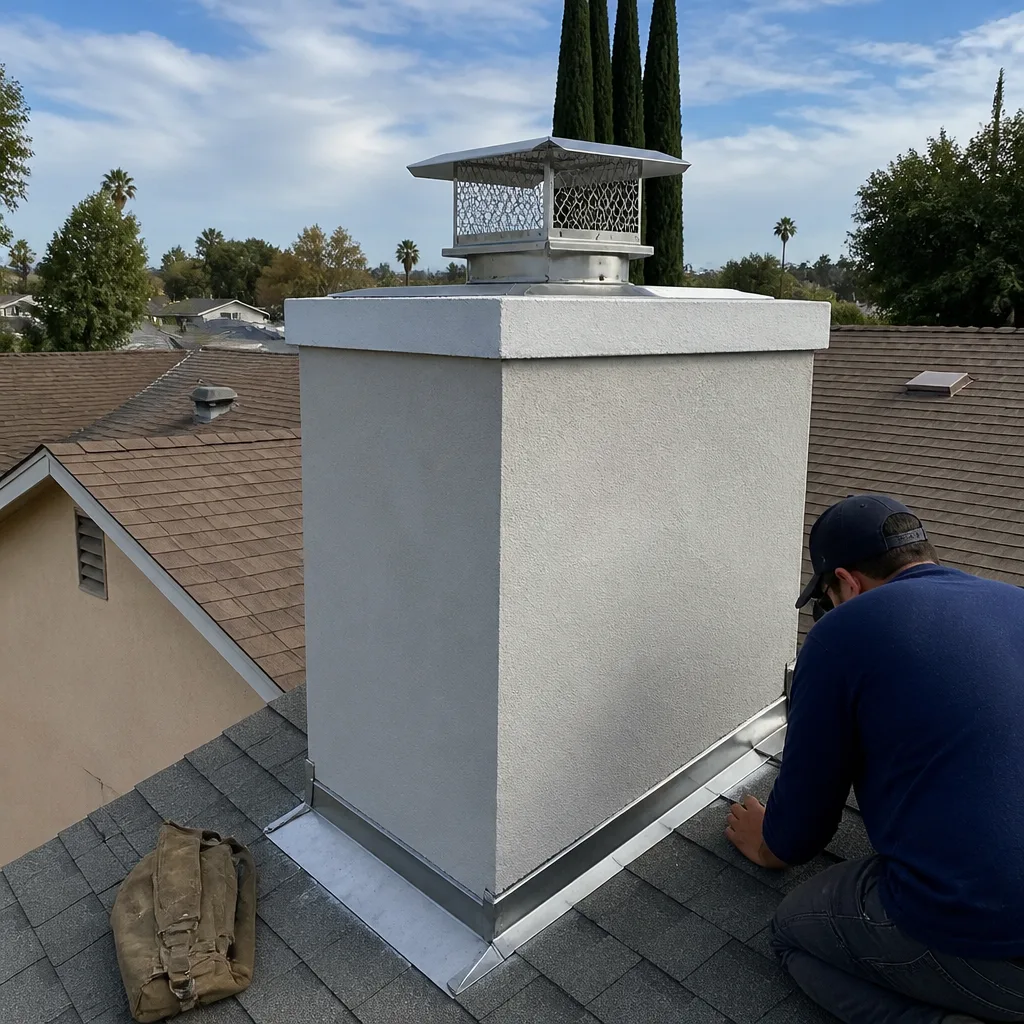
Cap Replacement or Installation: $80 to $250 Installed
A missing or damaged cap lets rain, birds, and debris into the flue. In Northridge’s dry climate, homeowners sometimes skip this because rain feels rare. But the Santa Ana winds push grit and embers into open flues every fall. We source caps from Copperfield and Famco, both of which manufacture products designed for California’s specific fire-risk environment. The installed price reflects the part, not just labor. A cheap big-box cap will corrode within five years. A specification-grade cap lasts decades.
Glazed Creosote Treatment: $40 to $120
If a sweep finds shiny, hard creosote on your flue walls, standard brushing won’t remove it. This form of creosote is a serious fire risk. Chemical treatments, then mechanical removal, are required. It adds labor time and material cost. If you see this surcharge on an invoice, it means the sweep found something real. They should show you photos.
Dryer Vent Cleaning: $75 to $150
This is a separate service, not a chimney add-on, but many homeowners bundle it. It’s one of the most cost-effective fire-safety actions you can take. We offer dryer vent cleaning in Northridge as a standalone service because it addresses a statistically significant household fire hazard that chimney-only companies ignore. If you’re already paying for roof access, adding dryer vent work is cheaper because the dispatch cost is already absorbed.
What Should Never Be an Upsell
Some things are part of a professional sweep, full stop. If you see these as line items, question the contractor’s honesty.
- A “visual inspection” fee. Any sweep includes a visual check of accessible components. It’s part of the service, not an add-on.
- A “smoke test” before cleaning. Testing draft before the flue is clean tells you nothing useful. It’s theater.
- A “creosote removal fee” on a first-time sweep of a lightly used fireplace. If you burn seasoned wood and sweep annually, you shouldn’t face this. If you do, ask for photo proof.
- “Emergency” or “rush” fees when you booked a week out. Your appointment is scheduled. There’s no emergency.
- Charging separately for vacuuming the firebox. This is part of the base service. Anyone who itemizes it separately is double-billing.
- A “chimney certification” document for a fee. Unless you’re selling your home and need a specific inspection form, a basic sweep doesn’t produce a certification. That’s a different service.
The pattern here is transparency. A reputable sweep charges a flat price for the base service, then quotes add-ons only when they’re genuinely needed, with photo or camera evidence. If you feel pressure to authorize work without seeing the problem yourself, that’s a signal to get a second opinion.
Why Northridge Contractor Overhead Creates a Price Floor
You can’t run a legitimate chimney service in Los Angeles County for $79 a sweep and stay in business. The math doesn’t work. Here’s what the price floor actually reflects.
A C-31 contractor license in California requires passing trade and law exams, carrying workers’ compensation insurance, and maintaining a bond. Insurance premiums for roof-access work in LA County run several thousand dollars annually, even for a small company. Professional-grade equipment, a Wohler VIS 2000 camera, rotary cleaning systems, industrial HEPA vacuums, costs $10,000 to $20,000 upfront. Vehicle, fuel, and time spent driving between Northridge appointments in Valley traffic all factor in. A two-person crew doing three sweeps a day at $99 each grosses under $600 before labor, insurance, fuel, and equipment amortization. That’s a loss leader, not a business model.
So when you see a sweep advertised for $49 or $79 in Northridge, understand what’s happening. Either the company is sending one person with a shop vac and a brush, skipping the smoke chamber entirely, and hoping to upsell you into high-margin repairs you may not need, or they’re not carrying proper insurance. Both possibilities are dangerous. The legitimate price floor for a real sweep in this market in 2026 is around $149 to $179 for a single-story, accessible fireplace. For help preparing for unexpected issues, read our Chimney Cleaning Emergency Preparedness Guide for Northridge Homes. Below that, someone is cutting something.
This isn’t contractorp greed. It’s the cost of doing the job safely and legally in LA County. We work with specification-grade parts from brands like Gelco, Olympia Chimney, and Copperfield, and those suppliers don’t sell to unlicensed handymen. The quality of the parts on your roof reflects the quality of the company that put them there.
How Home Design Affects Your Sweep Cost
Northridge’s housing stock breaks into roughly three categories, and each has a different cost profile for chimney access.
Single-Story Ranch and Mid-Century Homes, 1950s to 1970s
These homes, concentrated south of Nordhoff and east of Reseda, typically have shallow roof pitches and accessible chimneys. A sweep can often be done from the roof with a standard ladder. Base pricing applies. If the chimney is in good condition and creosote levels are low, expect $149 to $199.
Two-Story Tract Homes, Late 1970s to 1990s
The neighborhoods north of Devonshire and west of Tampa are full of these. Two stories means a taller ladder, more setup time, and a steeper roof pitch in some developments. The chimney may also be located mid-roofline, requiring longer hoses and more safety equipment. Add $40 to $80 to the base for access.
Homes with Steep or Tile Roofs
Spanish tile is beautiful and terrible for roof work. If your Northridge home has a clay tile roof and a steep pitch, the sweep may need to access the flue from inside the firebox, which requires a different technique and more labor time. Tile roof access also risks breaking tiles, and professional sweeps carry the cost of that risk in their pricing. Add $50 to $100 for these situations.
The lesson here: when you’re comparing quotes, make sure both contractors know your actual roof configuration. A $199 quote from a company that assumes single-story access on your two-story tile roof is not a better deal than a $279 quote from a company that knows what they’re getting into. It’s a quote that will get revised upward once they see the job.
Material Cost Transparency: Wholesale vs. Installed
Here’s a number most homeowners never see: a professional-grade stainless steel chimney cap from Famco or Copperfield costs a contractor roughly $40 to $90 wholesale, depending on size and material. The same cap installed on your chimney costs $180 to $250. That gap is not pure profit. It covers the roof access to measure and install, the fasteners and sealant, the time to remove the old cap correctly, and the warranty labor if something goes wrong. When you frame it that way, the margin is fair.
Now compare a big-box cap. You can buy one for $19. It’s made of thinner gauge steel, often uncoated against rust, and designed to fit a generic flue size. In Northridge’s sun exposure, it’ll oxidize within three to five years. You’ll pay another $19 for a new one, plus the labor to install it, and now you’ve spent more than you would’ve on the professional-grade part. Cheap parts in a chimney system are expensive over time.
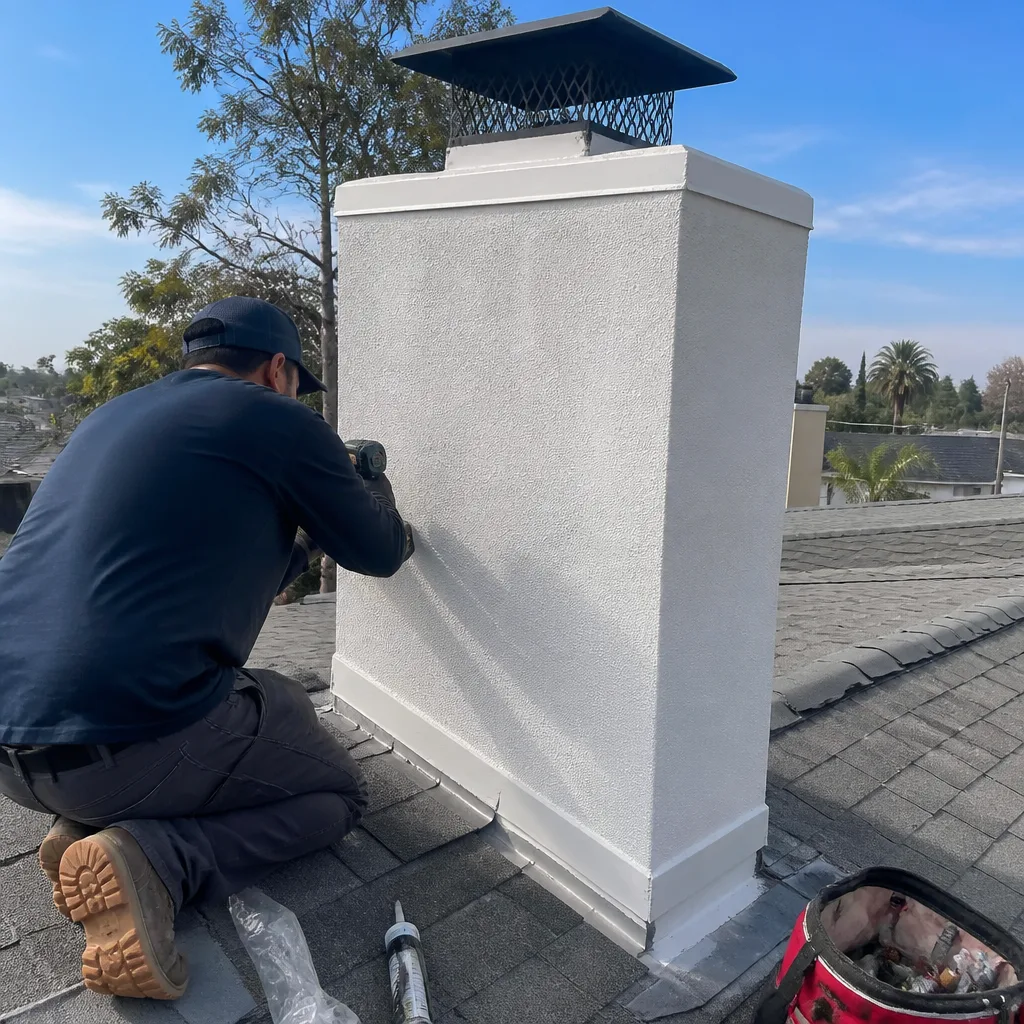
The same logic applies to dampers and crown coatings. A Gelco crown coat material runs about $60 to $100 wholesale for a standard chimney. Installed, you’ll pay $200 to $350. That covers the surface prep, which matters more than the material itself, because if the crown isn’t cleaned and sealed properly, the coating won’t bond and you’ll be redoing it in two years. A crown that’s properly sealed with professional-grade material should last a decade or more in Northridge’s dry climate.
Whenever a contractor recommends replacement parts, ask what brand they’re installing. If they can’t name it, or the name is something you’ve never heard of and can’t find online, that’s a signal. The brands we stock, Olympia Chimney, Gelco, Copperfield, and Famco, are the same ones specified by professional chimney contractors across the country. They’re not exclusive, but they’re consistent. That consistency is what you’re paying for.
Structuring a Multi-Service Appointment to Save Money
The most expensive part of any chimney service is the dispatch, the time spent driving to your home, setting up, and breaking down. That cost gets amortized whether the job takes one hour or four. So bundling services into a single visit is the most effective way to reduce your total annual chimney and vent maintenance cost without cutting scope.
Here’s how to structure a high-value appointment:
- Schedule your chimney sweep and dryer vent cleaning in the same visit. Both use similar equipment and safety protocols. The dryer vent work adds 30 to 45 minutes. Most companies charge $75 to $150 for a standalone dryer vent cleaning, but when bundled with a sweep, the marginal cost drops to $50 to $100. Over five years, that’s real savings.
- Request a camera inspection during the sweep, not as a separate visit. If you wait and decide you want the camera later, you’ll pay for a new dispatch. The camera is already there during a sweep. The marginal cost is just the technician’s time to run it, typically $75. A separate visit would cost $150 to $200.
- Have both fireplaces swept in the same appointment if you have two. A second flue adds about 45 minutes of labor but no additional travel time. Expect a 30% to 40% discount on the second flue compared to scheduling it solo.
- Plan annual maintenance for late summer. Northridge’s peak chimney season runs October through February. Scheduling in August or September means more scheduling flexibility and sometimes off-peak pricing, because companies are trying to fill slow-season calendars. The savings aren’t huge, but the scheduling certainty is worth it.
We see this all the time: a homeowner pays $350 for three separate visits across a year when a single $225 appointment would have covered the same scope. The savings come from consolidation, not from cutting corners.
Common Mistakes to Avoid
- Choosing a sweep based on price alone. A $99 special often means no smoke chamber clearing, no camera option, and a rushed job. In Northridge, where many chimneys are 40+ years old, skipping the smoke chamber means leaving a real fire risk unaddressed.
- Assuming all caps are the same. They’re not. The $19 cap from the hardware store won’t survive five Valley summers. Specification-grade caps from Famco or Copperfield cost more upfront and less over time.
- Waiting to see “how bad it gets.” Creosote doesn’t improve with age. The longer you wait, the more you’ll pay for treatment, and the higher your chimney fire risk. Annual maintenance is cheaper than deferred maintenance.
- Skipping the camera inspection on an older home. If your Northridge home predates the 1994 earthquake, your liner may have shifted. A camera inspection during your sweep is the cheapest way to know. Replacing a liner after a fire costs thousands.
- Not asking what parts will be installed. If a contractor can’t name the brand of cap or damper they’ll install, walk away. Generic parts fail faster and cost more over time. Branded, professional-grade parts are a sign the company knows what it’s doing.
- Ignoring the dryer vent because it’s not a chimney. Lint buildup is a leading cause of residential structure fires in the US. If you have a gas or electric dryer, you have this hazard. It’s cheap to address, expensive to ignore.
- Assuming a new home doesn’t need a sweep. Even if you’ve never used your fireplace, the flue may have construction debris, animal nests, or a manufacturing defect. New builds in Northridge’s newer developments off Tampa should still get an initial inspection.
When to Call a Professional
If you notice smoke backing into the room, a persistent campfire smell even when the fireplace is cold, visible soot falling into the firebox, or animals in the flue, those are immediate signals to stop using the fireplace and call a professional. The same applies if you’ve never had your chimney inspected and you’ve owned the home for more than a year without knowing its service history. If you’re buying a Northridge home with a masonry chimney, a Level 2 inspection is standard practice and often required by lenders. And if your dryer takes longer than 45 minutes to dry a normal load, the vent is restricted, and that’s a fire hazard you can address today. Chimney repair in Northridge covers everything from cracked liners to crown rebuilds, and it starts with knowing what’s actually wrong. Chimney Sweep Northridge offers free estimates in Northridge, call (833) 589-9223 to schedule an inspection and get a flat-price quote before any work begins.
Frequently Asked Questions
A standard chimney sweep in Northridge costs $149 to $229 for a single-story home with accessible roof lines and normal creosote levels. Two-story homes, steep roofs, and heavy creosote add $40 to $120. The total for a comprehensive sweep with camera inspection and component replacement can reach $450, but most homeowners pay between $149 and $279. Call (833) 589-9223 for a flat-price quote specific to your home.
The National Fire Protection Association recommends an annual inspection, with sweeping as needed based on creosote accumulation. If you burn more than a cord of wood per season in your Northridge home, sweep annually. If you use your fireplace occasionally, every one to two years is typically sufficient. A camera inspection during the sweep will tell you where you stand.
Not always. If your camera inspection shows minor cracking but the liner is structurally sound, options like HeatShield resurfacing can restore the flue without a full replacement, at a fraction of the cost. Full relining is necessary when the liner has collapsed, separated, or poses a direct fire risk. The only way to know is with a camera inspection, and a reputable sweep will show you the footage and explain whether you can wait.
Creosote builds up on the flue walls. Creosote is combustible, and once it reaches Stage 2 or 3, a stray ember can ignite it, causing a chimney fire that reaches 2,000°F. Even without a fire, heavy buildup restricts airflow, causing smoke to back up into your home and carbon monoxide to accumulate. Both problems are preventable with regular cleaning, and the cost of prevention is a fraction of the cost of repair after a fire.
In our experience, no. The economics of running a licensed, insured chimney service in LA County don’t support a $79 sweep. That price typically means the company will skip the smoke chamber, use inferior equipment, or upsell you aggressively once they’re in your home. A legitimate base sweep in Northridge starts around $149 to $179, and the company should quote you that price before arriving. If it sounds too cheap, it is.
Yes, and you should. Bundle a dryer vent cleaning in Northridge with your chimney sweep to save on dispatch costs. The marginal cost of adding dryer vent work to an existing appointment is often $50 to $100, versus $75 to $150 for a standalone visit. Over time, bundling annual maintenance into a single visit is the most effective way to reduce your total fire-safety costs without cutting scope. Call (833) 589-9223 to schedule both services in one trip.
The Bottom Line
Chimney cleaning prices in Northridge reflect real differences in scope, access, and materials. A $149 sweep on a single-story ranch with a clean flue is fair. A $349 sweep on a two-story home with glazed creosote and a camera inspection is also fair. The number means nothing without the line items behind it. Ask for a flat-price quote before booking, expect photo or camera evidence for any repair recommendation, and insist on specification-grade parts from brands the professional trades actually use. Bundle services when you can, schedule in the off-season, and never skip the camera inspection on an older Northridge home. We built Chimney Sweep Northridge home around this exact principle: explain what we find, show you why it matters, and fix it with materials built to last.
Written by the team at Chimney Sweep Northridge, serving Northridge since 2012. Browse our more guides & resources for additional homeowner tips.
See the difference
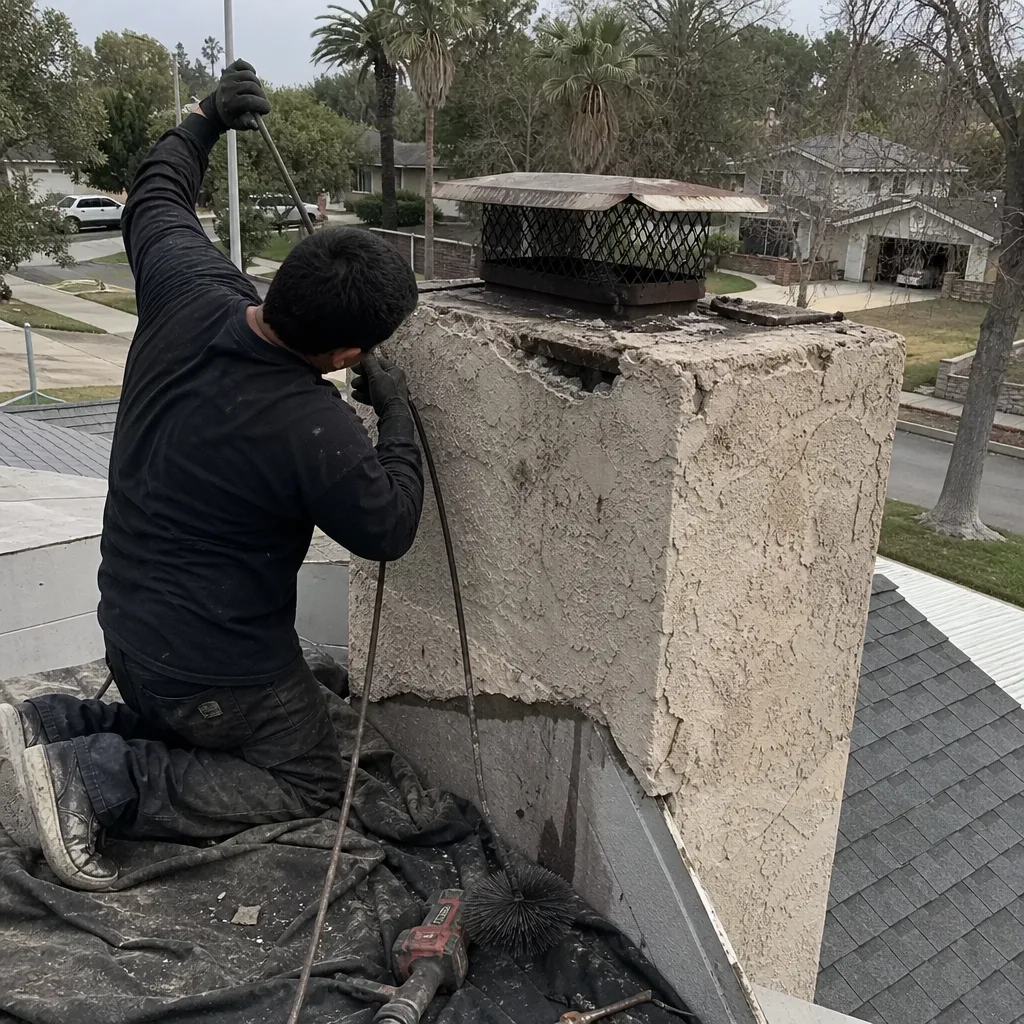 Before
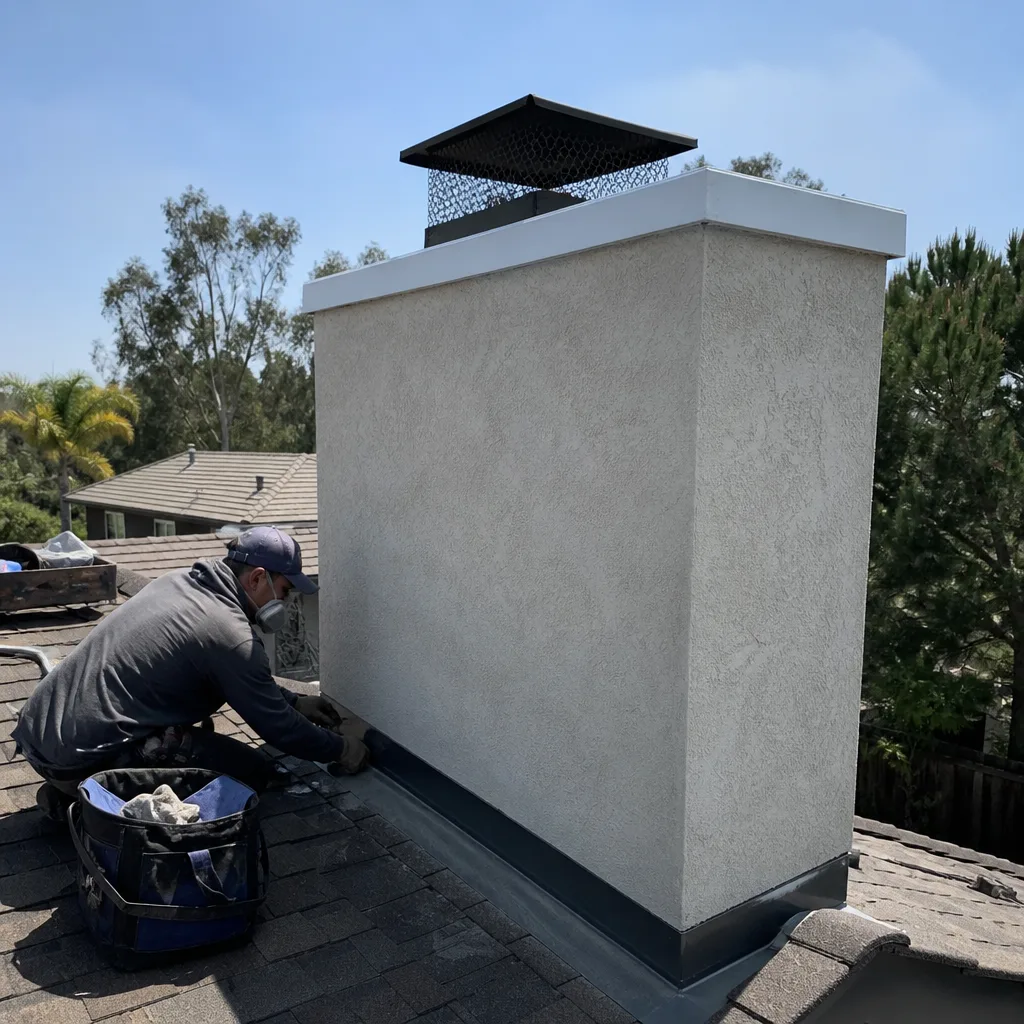 After
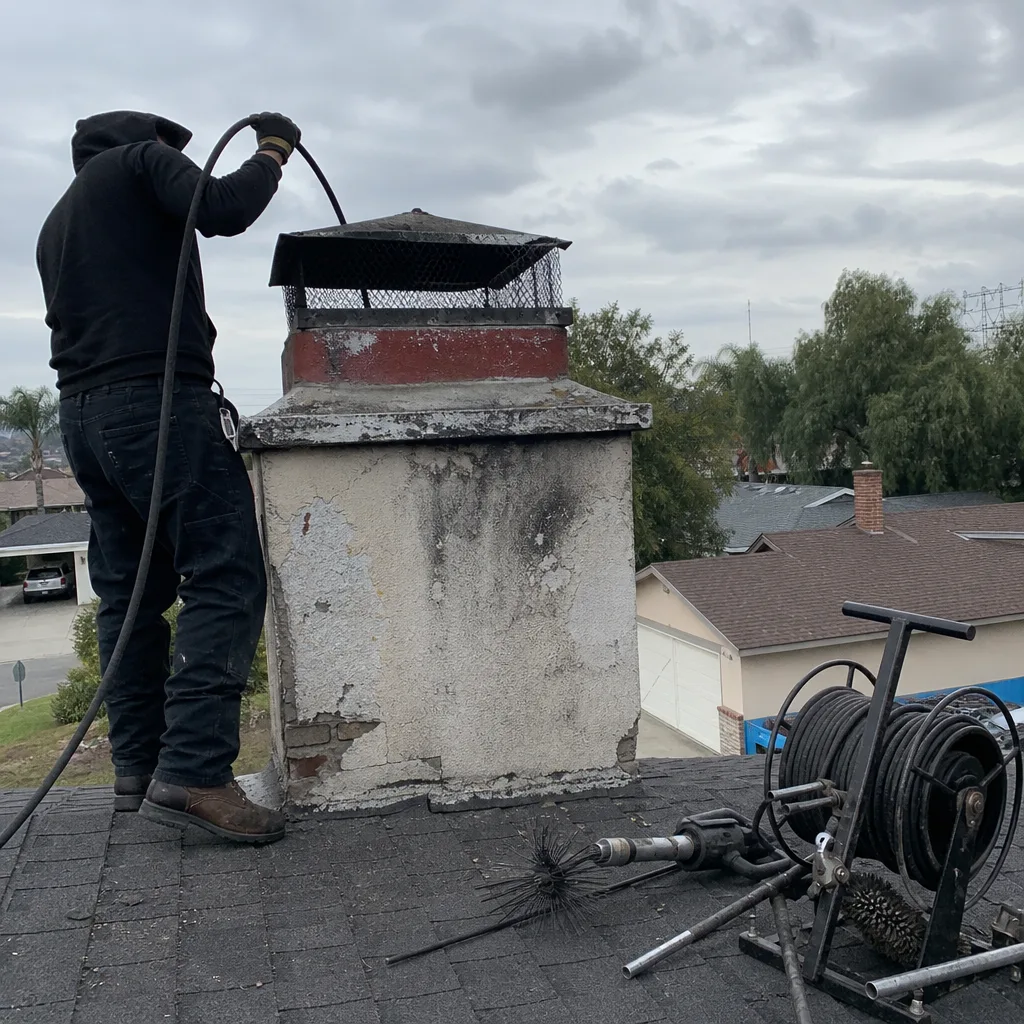 Before
 After
 Before
 After