
Last updated November 2, 2026
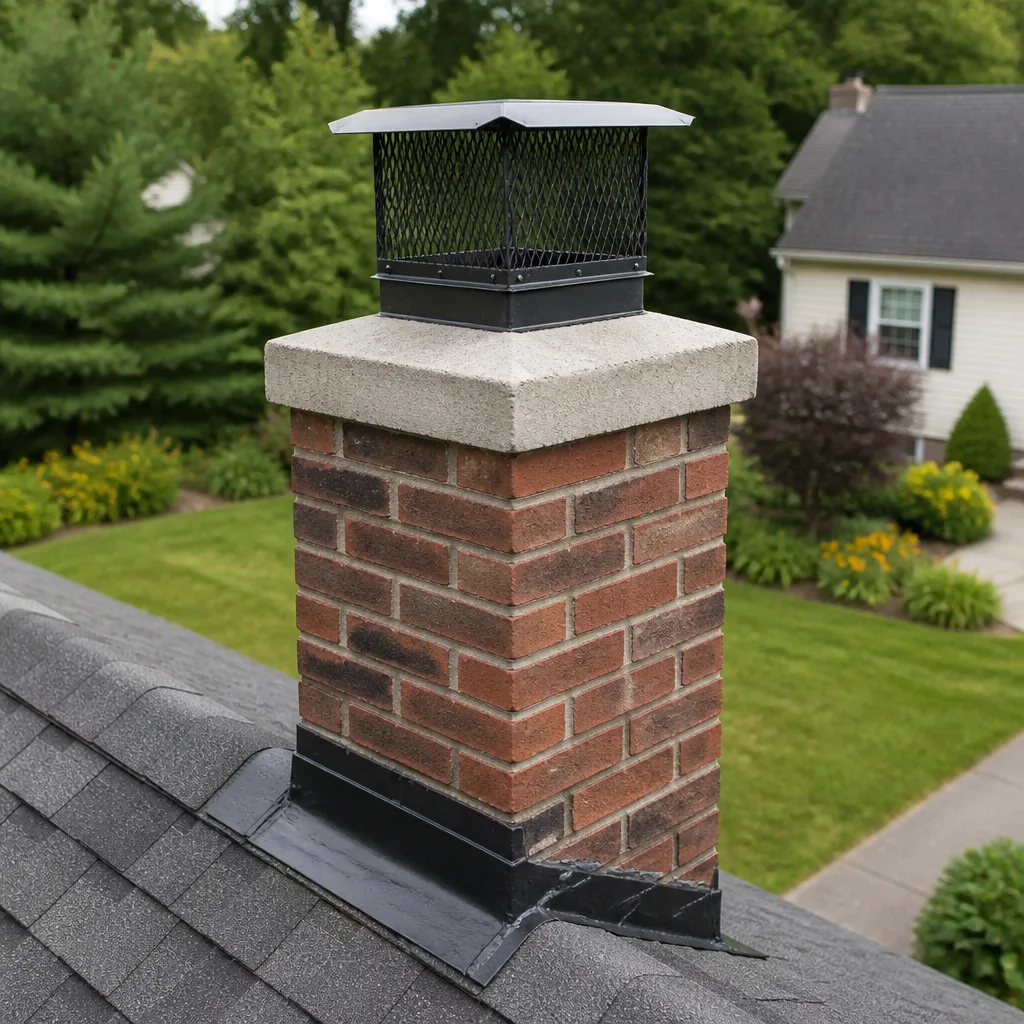 Sweep & inspection
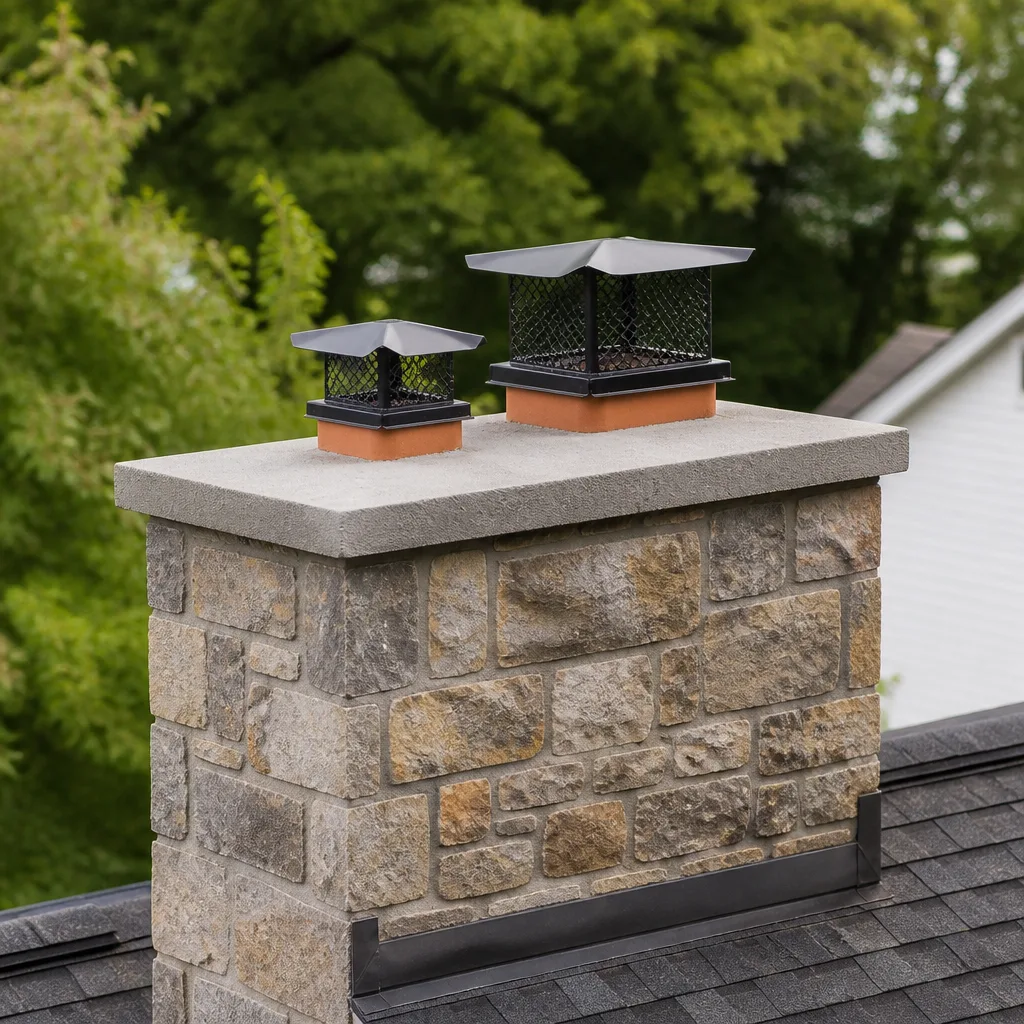 Caps & crowns
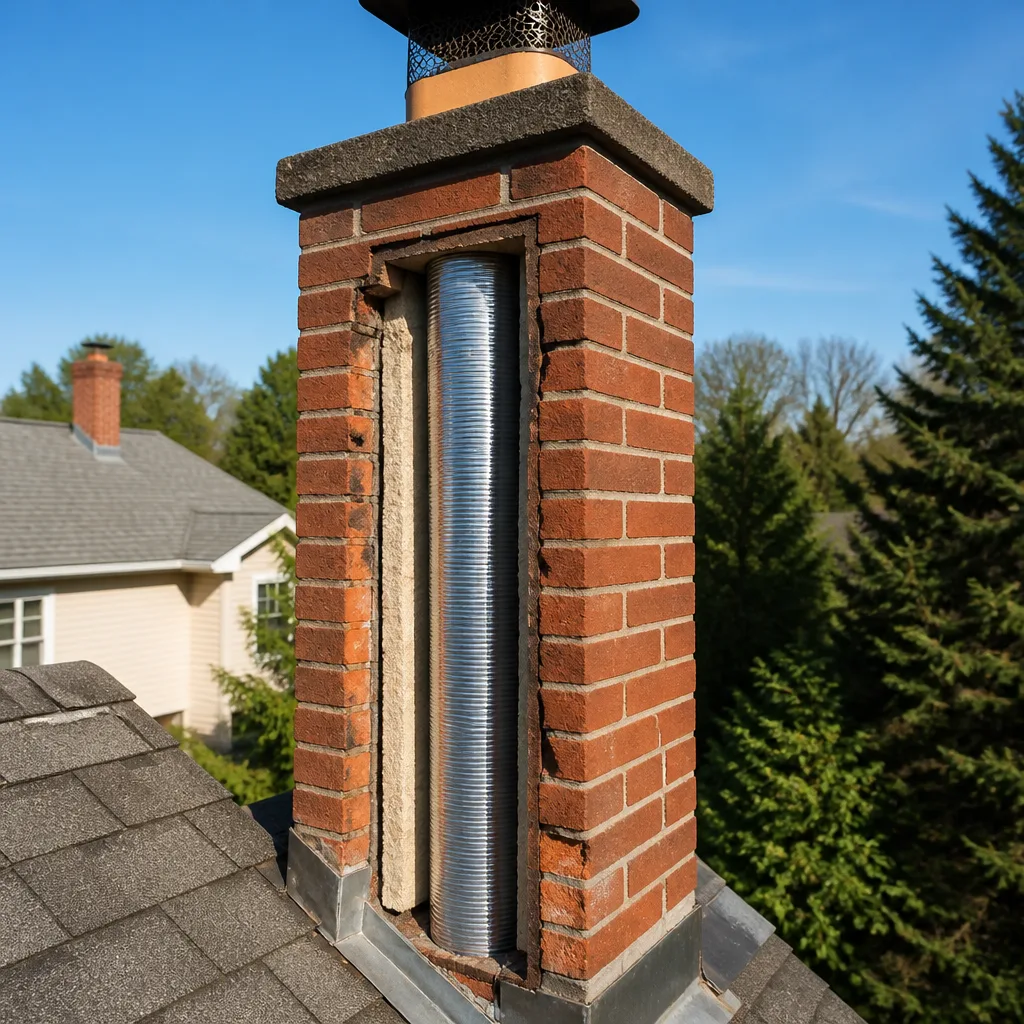 Flue relining
 Masonry repair
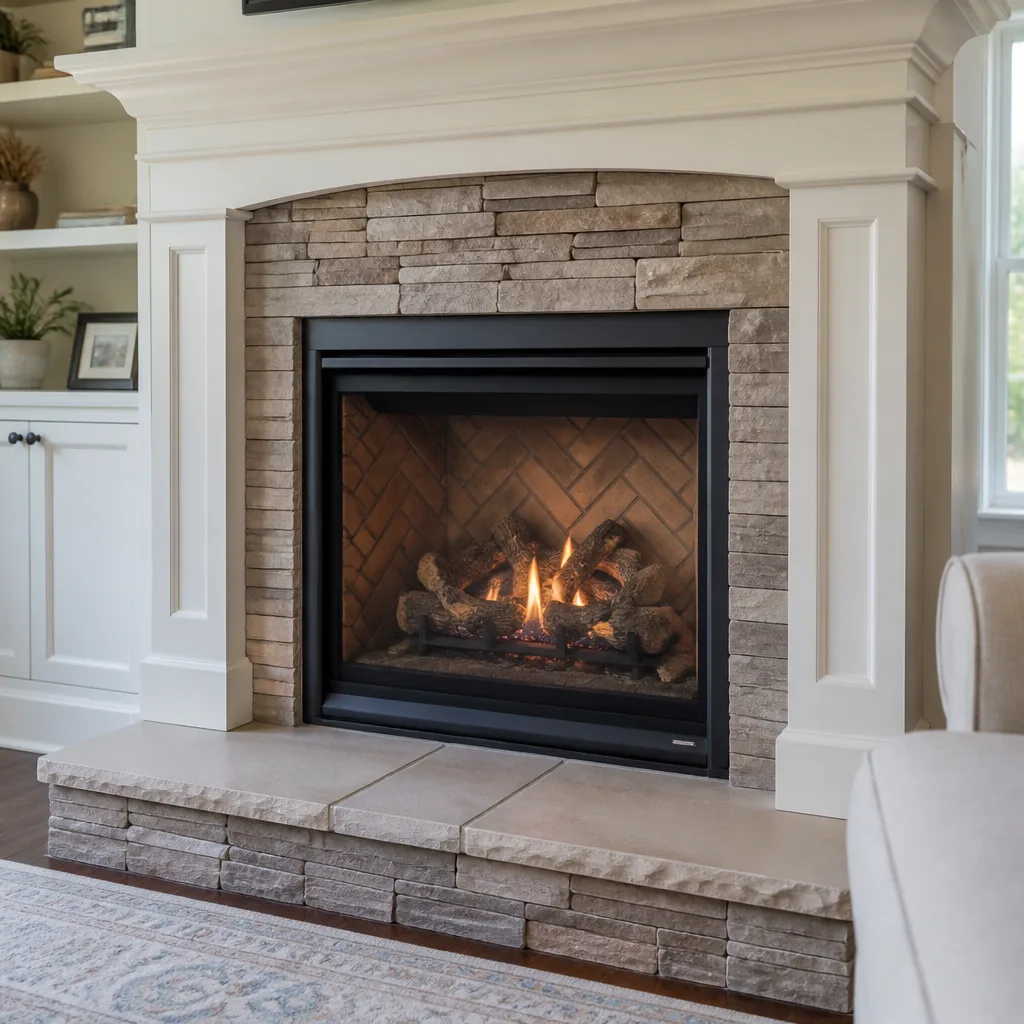 Gas fireplace service
Level 1 sweep and inspection to the NFPA 211 annual standard - flue, crown, cap, and flashing checked and photographed
Chimney sweep logs do not sweep chimneys. They loosen some creosote - which then falls where a brush and vacuum still have to collect it.
How to Hire a Chimney Cleaning Contractor in Northridge: A Step-by-Step Guide
A contractor who can’t tell you the difference between a UL 1777-listed liner and a standard stainless insert, or who fumbles when asked what CSIA certification covers, has already told you everything you need to know before they touch your chimney. Northridge homeowners face a crowded market of chimney sweeps, duct cleaners, and general handymen all claiming to do the same job. The difference between a $79 special and a specification-grade sweep isn’t just price. It’s whether the person on your roof understands what’s happening inside your flue. This guide walks you through the exact credentials, questions, and estimate-reading skills that separate professionals who protect your home from operators who just push a brush around and hand you a receipt.
Quick Answer
To hire a chimney cleaning contractor in Northridge, verify four credentials (CSIA certification, C-31 contractor license in California, liability insurance with chimney-specific coverage, and NFI certification), ask six technical questions during the quote call that reveal actual system knowledge, and learn to read a written estimate line by line so vague materials descriptions don’t get you billed for cheap parts at premium prices. Never book on price alone, and always get the inspection findings in writing with photos before approving repair work.
Styles & brands we work with
- Sweep & inspection
- Caps & crowns
- Flue relining
- Masonry repair
- Gas fireplace service
Table of Contents
- The Four Credentials That Actually Matter (and How to Verify Each)
- Six Technical Questions That Reveal Competence on the Quote Call
- Red Flags in Pricing: Why Sub-$99 Cleanings in Los Angeles County Should Worry You
- How to Read a Written Estimate: Line Items That Should Always Be Itemized
- Why the Lowest and Highest Bids Are Both Worth Scrutinizing
- What a Proper Chimney Sweep in Northridge Should Actually Include
- Materials Matter: What Specification-Grade Parts Look Like
- Common Mistakes to Avoid
- When to Call a Professional
- Frequently Asked Questions
The Four Credentials That Actually Matter (and How to Verify Each)
Chimney work is one of the few residential trades where a contractor can legally operate with almost no verifiable training. California requires a contractor’s license for structural work, but the specific chimney certifications that indicate actual system knowledge are voluntary. Here’s what actually separates a trained professional from someone who bought a brush set at a supply house.
1. CSIA Certification (Chimney Safety Institute of America)
The CSIA is the recognized credentialing body for chimney sweeps in the United States. A CSIA-certified sweep has passed written exams covering the NFPA 211 standard, code requirements, inspection protocols, and safe work practices. They’re also required to recertify every three years through continuing education. To verify, visit the CSIA website and use their “Find a Sweep” directory. If a contractor claims CSIA certification but isn’t listed, ask for their certification number and verify it directly with the organization. In our work across Northridge, we’ve encountered homeowners who assumed any chimney company was certified, when in reality the industry has no licensing requirement for sweeping alone. Certification is the line between trained and self-taught.
2. C-31 Contractor License (State of California)
The C-31 specialty license is issued by the California Contractors State License Board (CSLB) and specifically covers chimney and vent construction, repair, and cleaning. This is a state-level credential, not a trade association badge. To verify, go to the CSLB license lookup page and enter the contractor’s license number or business name. Check that the license is active, check for any disciplinary actions, and confirm the classification is C-31 specifically. A general B license doesn’t cover chimney repair work in California the way a C-31 does. For any repair work in Northridge involving liners, crowns, or masonry, a C-31 license is non-negotiable. For sweeping-only jobs, it’s still a strong signal the company operates above board.
3. Liability Insurance with Chimney-Specific Coverage
Generic general liability insurance doesn’t automatically cover chimney work. The policy needs to explicitly include chimney and fireplace operations. Ask for a certificate of insurance (COI) and read the coverage description. You’re looking for language that includes “chimney cleaning,” “chimney repair,” or “fuel burning appliance servicing.” Without that specificity, a dropped tool that damages your crown or a scratch on your mantle may not be covered. California doesn’t require liability insurance for all contractor classifications, so this is something you have to ask for and verify yourself. A contractor who hesitates to provide a COI, or provides one with a coverage description that says only “janitorial,” should be crossed off your list.
4. NFI Certification (National Fireplace Institute)
NFI certification is less common than CSIA but more specialized. It covers specific fuel types: woodburning systems, gas systems, and pellet systems. An NFI-certified technician has demonstrated knowledge of appliance-specific clearances, venting requirements, and combustion safety standards. For Northridge homes with gas inserts or gas log conversions, an NFI gas certification means the technician understands the specific venting and clearance requirements that differ from open wood-burning fireplaces. This matters more than most homeowners realize because gas appliances have their own failure modes that a wood-only sweep may not recognize.
Six Technical Questions That Reveal Competence on the Quote Call
The quote call is where you learn whether you’re dealing with a specification-grade contractor or a discount operator with a good website. These six questions are designed to reveal actual system knowledge. A competent professional answers them without hesitation, with specific terminology. Someone faking it will deflect, generalize, or change the subject to pricing.
- “What level of inspection are you quoting me?” There are three levels defined by the National Fire Protection Association’s NFPA 211 standard. Level 1 covers the accessible portions of the chimney and is standard for homes with no changes to the system. Level 2 adds video scanning of the flue interior and is required when the home is being sold, after a chimney fire, or when the fuel type changes. Level 3 is invasive and required only when serious damage is suspected. A sweep who can’t explain the difference between Level 1 and Level 2 has not read the standard that governs their own work.
- “What does your video inspection actually show me?” A real camera scan produces footage of the flue interior, not just a static photo from the top. Ask whether you’ll see the full scan, whether it includes the smoke chamber and the connection point at the appliance, and whether you get a copy. Contractors who use “camera inspection” as a sales tool but can’t produce footage for the homeowner are using it as an upsell lever, not a diagnostic tool.
- “Do you sweep the smoke chamber, or just the flue?” The smoke chamber is the angled transition area above the firebox and below the flue. It’s where creosote and debris accumulate as heavily as anywhere in the system. A sweep that only cleans the vertical flue pipe is leaving a significant fire hazard untouched. This question alone filters out a meaningful percentage of low-cost operators in the Los Angeles market.
- “What’s your approach if you find cracked flue tile?” A competent contractor explains the options: HeatShield resurfacing, which restores the liner with a ceramic coating; a stainless steel liner system; or, in some cases, full rebuild. The key is that they explain the tradeoffs, not that they have one answer. If the response is “we’ll replace the liner” with no discussion of condition severity or alternatives, you’re talking to a salesperson wearing a sweep’s uniform.
- “Can you show me where my chimney cap failed, and what you’d replace it with?” Caps aren’t generic. The manufacturer matters for fit, material, and longevity. A contractor who names actual brands, like Famco or Olympia Chimney, has stocked and installed real products. One who says “we’ll put a new cap on there” without identifying the material, size, or manufacturer is likely buying whatever’s cheapest at the supply counter. This is also your chance to hear whether they understand cap function: spark arrestor mesh, rain coverage, animal exclusion.
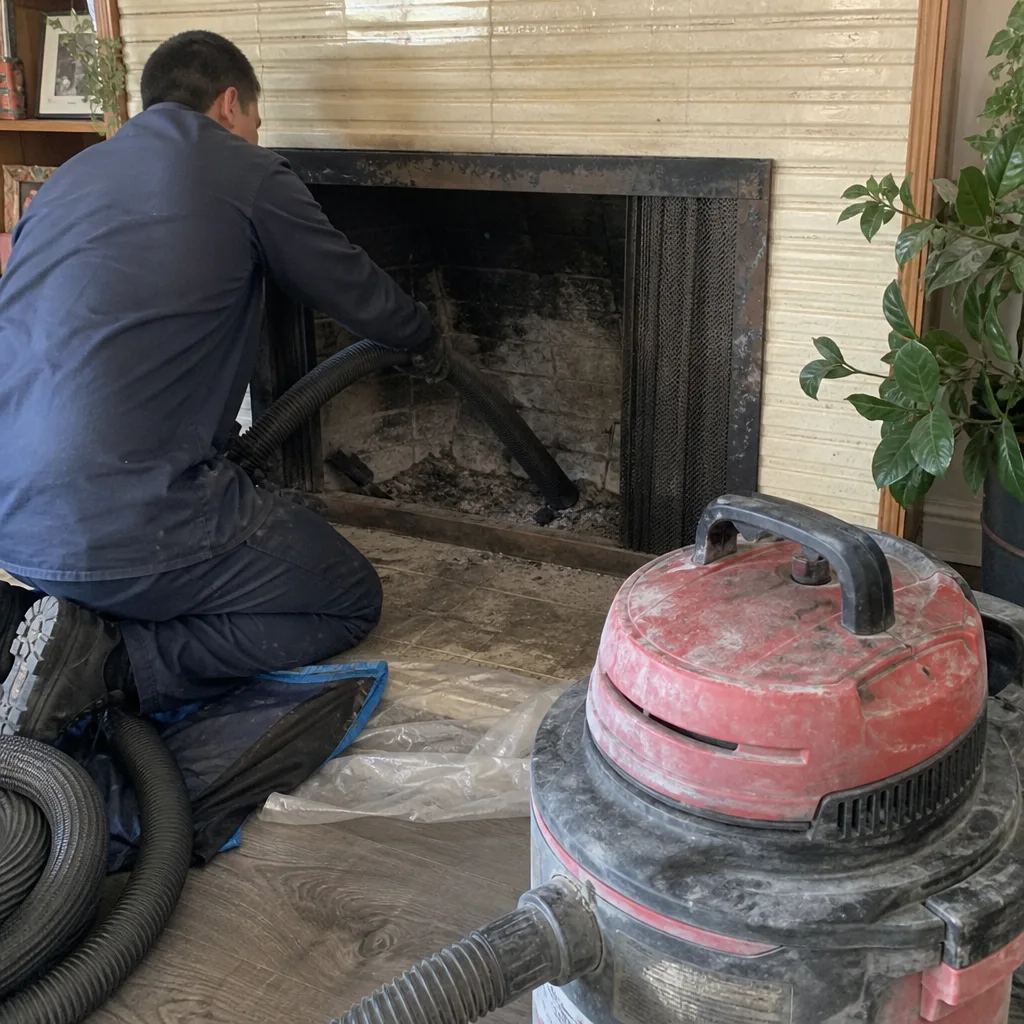
- “What’s your plan for keeping my Northridge house clean during the sweep?” This sounds like a soft question, but it’s revealing. A professional sweep lays out drop cloths, uses a vacuum with a HEPA filter, covers the firebox opening, and seals the work area. A discount operator brings a brush and hopes for the best. If they can’t describe their dust-control process, your living room is the dust-control process.
Red Flags in Pricing: Why Sub-$99 Cleanings in Los Angeles County Should Worry You
Chimney cleaning prices in Los Angeles County vary more than almost any other residential service. The reason isn’t just overhead differences. It’s that the low end of the market has discovered chimney cleaning as a lead-generation vehicle for high-margin upsells. For a detailed look at what you should actually expect to pay, see our Chimney Cleaning Cost Breakdown: The Northridge Homeowner’s Reference for 2026.
The Economics of a $79 Sweep
Consider what’s actually involved in a proper sweep in Northridge. You need trained labor, a commercial-grade vacuum, brushes sized to the specific flue, drop cloths, insurance, licensing, and time. A proper Level 1 sweep takes 45 to 90 minutes depending on the condition of the system and the access. When you do the math, a $79 cleaning doesn’t cover the labor and equipment cost. So how do these companies stay in business? The cleaning is the loss leader. The business model is built on finding a “problem” during the cleaning and quoting a repair at a markup that makes up the difference. That’s not necessarily fraud, but it’s a structural conflict of interest. A company that loses money on every cleaning it performs is financially motivated to find problems whether they exist or not.
What You’re Actually Paying For
In Northridge, a legitimate professional cleaning from a credentialed, licensed, insured contractor should land somewhere in the $175 to $350 range, depending on the system type, accessibility, and whether it includes a video scan. Below $99, you’re either subsidizing an upsell machine or riding in a truck that’s cutting corners on insurance, training, or both. Above $500 for a standard Level 1 sweep with no complications, you’re paying a premium that should come with an explanation: unusual access challenges, a multi-story roof, or added service components.
The price itself isn’t the problem. The problem is when the price doesn’t match the scope of work described. Ask what’s included. If the answer is “a cleaning is a cleaning,” that’s a red flag more serious than the price tag.
How to Read a Written Estimate: Line Items That Should Always Be Itemized
A written estimate from a specification-grade chimney company reads like an invoice from a mechanic who respects you: specific parts, specific materials, specific labor, no mystery. Here’s what to look for and what to reject.
Line Items That Should Be Itemized
- The sweep itself: Should specify the level of inspection (Level 1, 2, or 3), the flue size, and whether smoke chamber cleaning is included.
- Video scan or camera inspection: If quoted, should be a separate line item with a defined deliverable: “full video scan with footage provided to homeowner.”
- Chimney cap replacement: Should name the manufacturer (Famco, Olympia Chimney, Copperfield are all brands we work with) and the material. “Stainless steel cap, 8×8 flue, spring-fit” is a proper line item. “New cap” is not.
- Liner repair or replacement: Should specify the system being used. If it’s a stainless liner, the listing should be included (UL 1777 is the relevant standard). If it’s HeatShield resurfacing, the number of flue faces being treated should be specified.
- Masonry repair: If crown repair or brickwork is included, the materials should be named: “crown repaired with polymer-modified mortar” tells you something. “Crown fixed” does not.
- Labor and disposal: Should be broken out separately so you can see what you’re paying for the work versus the materials.
Vague Descriptions That Are Contractor Cover
Here’s a translation guide for estimate language that looks professional but hides low-quality work:
- “Chimney repair as needed” translates to: “We’ll decide what’s needed after we’re on the roof, and you’ll pay whatever we decide.” Reputable contractors quote specific scope based on inspection findings.
- “Liner system” with no brand, no listing, no material specification translates to: “We’ll use whatever’s in stock.” The difference between a UL 1777-listed stainless liner and a generic stainless insert is a real safety distinction, not a marketing one.
- “Cap and screen” with no dimensions or manufacturer translates to: “We’ll buy the cheapest thing that fits.” The wrong cap in a Northridge windy season can be a performance problem within one year.
- “Waterproofing treatment” with no product name translates to: “We sprayed something on there.” Chimney-specific water repellents are different from masonry sealers you’d buy at a home center, and they behave differently over time.
Why the Lowest and Highest Bids Are Both Worth Scrutinizing
When you get three quotes for chimney work in Northridge, the instinct is to think hard about the low one and dismiss the high one. Both extremes deserve the same scrutiny.
The Low Bid Problem
A low bid means one of three things: the contractor is running the loss-leader upsell model described earlier; the contractor has cut corners on insurance, licensing, or materials; or the contractor has misread the scope and is about to underdeliver. All three are your problem. In the San Fernando Valley market specifically, we’ve seen low-bid operators bring in a brush and a shop vac, skip the smoke chamber entirely, hand over a receipt, and be gone in 25 minutes. That’s not a cleaning. That’s a receipt for a cleaning.
The High Bid Problem
An unusually high bid can mean the contractor sees the job correctly and is quoting appropriately for real access challenges or genuinely deteriorated conditions. Or it can mean the contractor doesn’t actually want the job and is pricing it high enough that you’ll say no. Or it can mean the contractor has bundled in work you didn’t ask for. The way to tell: ask for the line-item breakdown. If the numbers don’t make sense when broken down, the high bid is a smoke screen. If the contractor won’t break it down, walk away.
What the Middle Tier Should Look Like
The sweet spot is a bid that’s specific. It names the flue size being swept, the manufacturer of any replacement parts, the materials being used for any repair, and the level of inspection included. It reads like the contractor knows exactly what they’re doing and has priced the actual work, not a guess or a pitch. In Northridge, that’s typically the $175 to $350 range for a clean sweep, and the $900 to $2,500 range for liner work depending on the system and the extent of the repair.
What a Proper Chimney Sweep in Northridge Should Actually Include
A professional sweep in Northridge isn’t just a brush on a pole. Here’s a step-by-step look at what should happen when a qualified contractor arrives at your home.
- Site protection: Drop cloths laid from the entry door to the fireplace. The firebox opening covered. Furniture in the work area either covered or moved.
- System inspection before cleaning: The technician should examine the firebox, damper, smoke chamber, and visible flue areas before starting. This establishes the baseline and identifies any pre-existing damage.
- The sweep: Brushes sized to the specific flue dimensions, run from the top down or bottom up depending on the system and access. The smoke chamber is included, not skipped.
- Debris removal: A commercial vacuum with proper filtration, not a shop vac that will blow fine particulate back into your living room. The firebox, smoke shelf, and damper area should be visually clear of debris when finished.
- Post-cleaning inspection: The technician examines the system again, looking for any damage that was concealed by buildup or exposed by the cleaning process.
- Walkthrough and findings report: You should get a clear explanation of what was found, what was done, and any recommended follow-up with photos or video where applicable. If you don’t understand the recommendation, the contractor hasn’t done their job.
In our experience serving the Northridge chimney sweeping market, the most common homeowner frustration isn’t shoddy work. It’s not understanding what was done or why a follow-up repair was recommended. A contractor who can’t explain their findings in plain English has a communication problem, and a communication problem is a trust problem.
Materials Matter: What Specification-Grade Parts Look Like
The materials a chimney contractor uses tell you more about their standards than any marketing copy. Here’s what to look for across the most common repair categories.
Liners and Resurfacing
When a flue liner is compromised, you’re generally choosing between a stainless steel relining system and a resurfacing repair. Stainless systems should be UL 1777-listed, which certifies them as a complete chimney liner system, not just a metal tube. We specify DuraFlex for most stainless relining work because it’s the brand chimney professionals have specified for decades. For flues that are deteriorating but not structurally failed, HeatShield resurfacing is a factory-certified repair that restores the liner’s surface without the cost and disruption of full replacement. It’s a significant distinction because many homeowners in Northridge with older mid-century homes are told they need a full liner replacement when a HeatShield repair would restore function and safety at a lower cost.
Caps and Covers
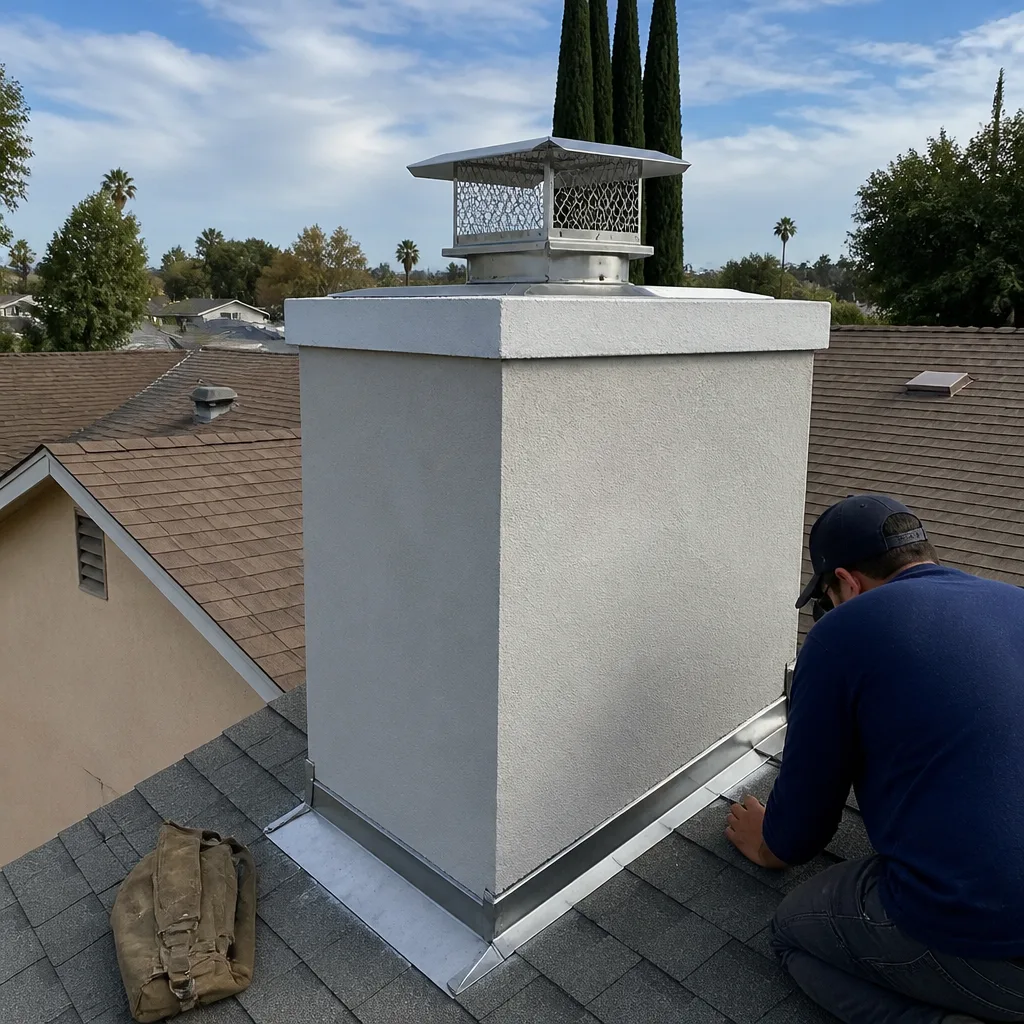
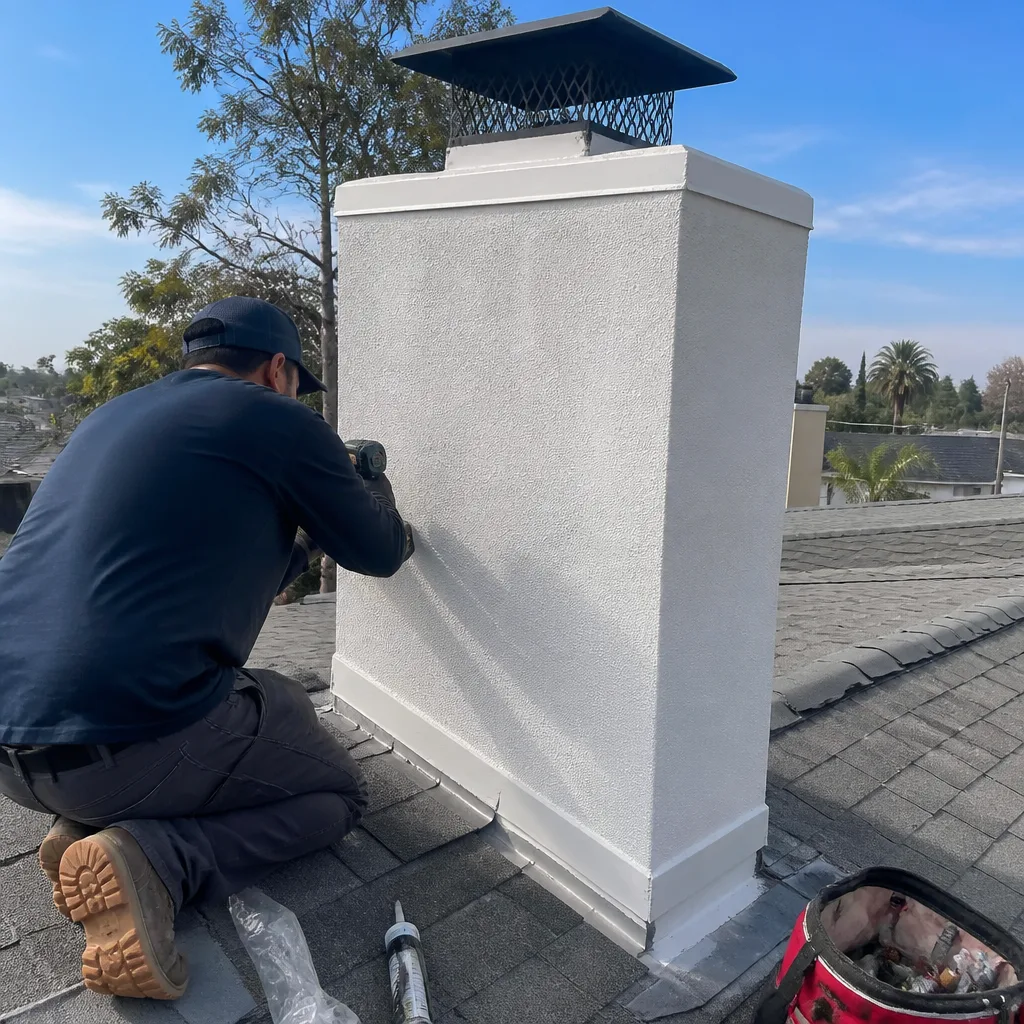
Chimney caps are not universal. The wrong cap in a Northridge fall wind season can rattle, lift, or fail to keep rain out. We work with Famco and Olympia Chimney caps because their product lines are designed around specific flue types and wind conditions, not one-size-fits-all. A specification-grade contractor should be able to tell you the manufacturer of the cap they’re installing and why they chose that specific product for your specific chimney.
Chase Covers and Flashings
For factory-built fireplaces, the chase cover is a common failure point. The difference between a 24-gauge galvanized cover and a 20-gauge stainless cover is the difference between a 5-year part and a 20-year part. Again, the brand matters. Copperfield makes stainless chase covers and flashing components that are built to the dimensions of the actual chimney, not trimmed down from a generic sheet. When a contractor can’t tell you what gauge their chase cover is, they’re installing whatever’s on the truck.
For more on what’s involved in chimney repair in Northridge, including liner options and masonry work, see our dedicated service guide.
Common Mistakes to Avoid
- Hiring the cheapest quote without reading what it includes. The sub-$99 model in Los Angeles County is structurally built on finding a repair to sell you. If the price doesn’t cover the labor, the business model has to make up the difference somewhere.
- Skipping the insurance check. A COI takes two minutes to request and protects you from scenarios you haven’t thought of. A dropped tool from a Northridge roof is a real event, not an abstract risk.
- Accepting “cap replaced” as a line item without asking for the manufacturer. The cap is the first line of defense against rain and animal entry in Northridge’s seasonal rain pattern. A generic cap is a generic performance outcome.
- Approving liner replacement without seeing the video scan. A proper Level 2 inspection includes footage you can see with your own eyes. No footage, no approval.
- Not asking about the smoke chamber. If the contractor doesn’t include smoke chamber cleaning in the scope, they’re not doing the full job. This is where creosote accumulates heavily and where a large share of chimney fires originate.
- Treating the chimney as isolated from the dryer vent. They’re separate systems but they’re both fire-safety systems that vent combustion or heated air. A homeowner who maintains the chimney but hasn’t had their dryer vent cleaned in Northridge is protecting one side of the house and ignoring the other. NFPA data consistently shows dryer vents as one of the leading causes of residential structure fires.
- Booking a sweep during peak season and accepting whatever contractor is available. Fall is the busiest season for chimney work across the San Fernando Valley. Scheduling in late summer before the first fire of the season gets you better availability and more scheduling flexibility.
When to Call a Professional
Specific situations require a professional rather than a quick cleaning. If you notice a strong smoky odor in the house after the fire, visible smoke entering the room, flaking brick or mortar around the chimney’s exterior, moisture staining on the ceiling near the chimney, or a fire that burns strangely or produces excessive smoke, you need an inspection, not just a sweep. Animals nesting in the flue, visible creosote dripping from the damper, or any indication of a prior chimney fire (honeycomb-textured creosote, cracked flue tiles) are all conditions that require professional assessment. In older Northridge homes especially, liner deterioration is common, and the difference between a $300 sweep and a $3,000 structural repair is often caught early or missed entirely based on whether someone looked carefully or just cleaned the flue. Chimney Sweep Northridge offers free estimates in Northridge, and you can reach us at (833) 589-9223.
Frequently Asked Questions
A professional chimney sweep in Northridge typically costs between $175 and $350 for a standard Level 1 inspection and cleaning, with the final price depending on flue size, roof access, and whether a video scan is included. Below $99, the economics don’t work without an upsell model. For an exact quote on your specific chimney, call us at (833) 589-9223.
The National Fire Protection Association recommends annual inspection of chimneys, fireplaces, and vents, with cleaning scheduled based on inspection findings and usage patterns. For a wood-burning fireplace used regularly during a Northridge winter, that usually means at least one sweep per year. Homes that burn primarily softwoods or use the fireplace heavily may need more frequent attention. For guidance on keeping your system safe through every season, read our Seasonal Chimney Cleaning Care for Northridge: Year-Round Homeowner’s Guide.
Not every deteriorated liner needs full replacement. If the flue has surface deterioration but the structural integrity is intact, HeatShield resurfacing can restore the liner surface at a lower cost and with less disruption than a full stainless reline. A proper video inspection shows the condition clearly, and you should be able to see the footage yourself before approving any work. If you can’t see the scan, don’t approve the repair.
Creosote builds up on the flue walls with every fire. That creosote is combustible, and the point of the sweep is to remove it before it accumulates to a dangerous level. In a worst-case scenario, accumulated creosote ignites, and the resulting chimney fire can spread to the structure of the home. In less severe cases, a dirty flue restricts draft, which pushes smoke and carbon monoxide back into the living space. Neither outcome is worth the $250 you saved. To prepare for these risks before they become emergencies, review our Chimney Cleaning Emergency Preparedness Guide for Northridge Homes.
They’re separate systems but both are fire-safety systems that vent heated air and combustion byproducts from your home. Lint accumulation in a dryer vent is a well-documented fire cause, which is why NFPA data consistently ranks dryer vents among the leading causes of residential structure fires. A homeowner who maintains the chimney but ignores the dryer vent is protecting one fire path and ignoring another. We offer dryer vent cleaning in Northridge as a standalone service because it’s too serious to treat as an add-on.
California does not require a specific license for chimney sweeping alone, which is why the voluntary certifications matter so much. For any repair work involving the liner, crown, or masonry, the contractor should hold a C-31 specialty license from the California Contractors State License Board, along with liability insurance that specifically covers chimney operations. For more on how to vet a contractor properly, start with the credentials section above and verify everything independently before booking.
The Bottom Line
Hiring the right chimney contractor in Northridge comes down to asking specific questions and refusing to accept vague answers. Verify the credentials: CSIA, C-31 license, insurance with chimney-specific coverage, and NFI where relevant. Ask the technical questions: inspection level, video scan access, smoke chamber inclusion, and materials specifications. Read the estimate like a contract, not a brochure. The difference between a specification-grade chimney company and a discount operator isn’t marketing. It’s whether the person on your roof can explain, in plain English, what they found, what they did, what they recommend, and why it matters. If they can’t do that, they’re not the right contractor at any price. At Chimney Sweep Northridge, we explain what we find, show you why it matters, and fix it with materials built to last. For more guides & resources, visit our blog, or call us at (833) 589-9223 for a free estimate.
Written by the team at Chimney Sweep Northridge, serving Northridge since 2012.
See the difference
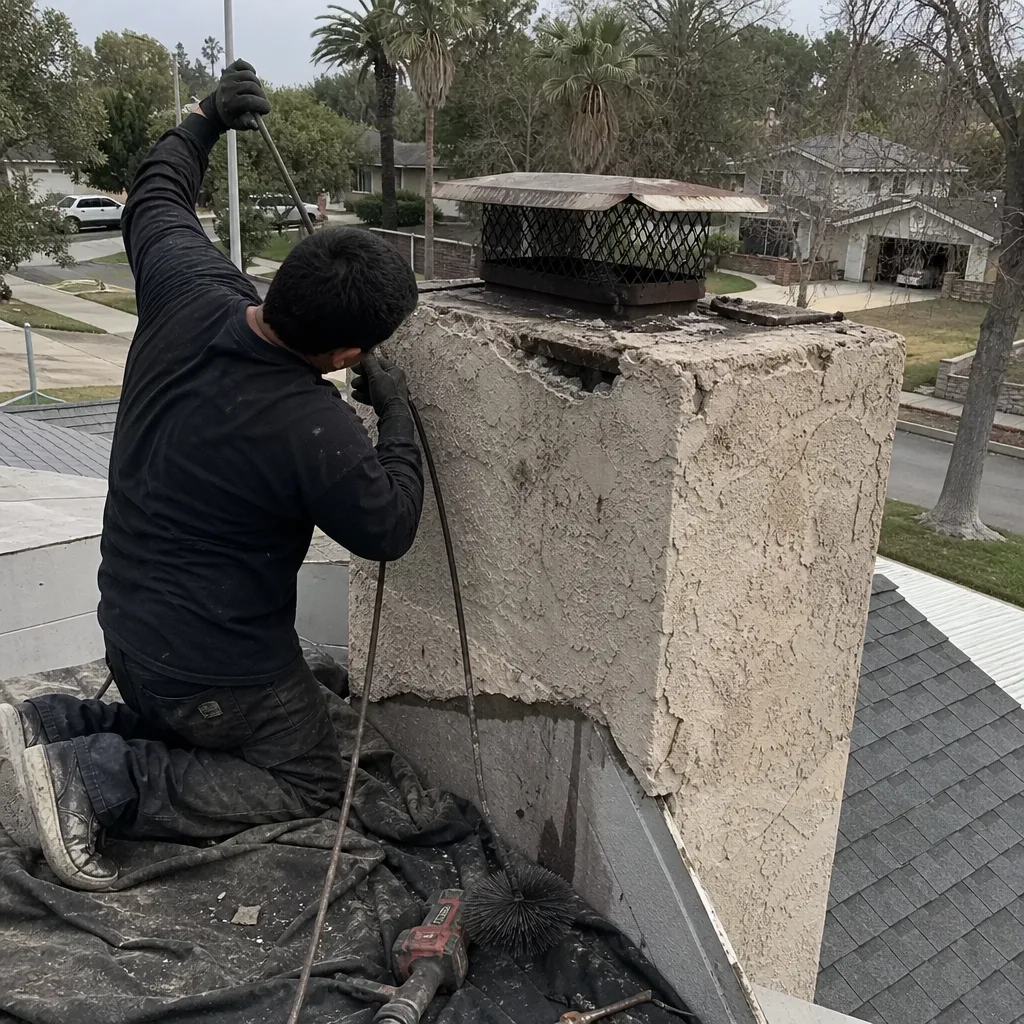 Before
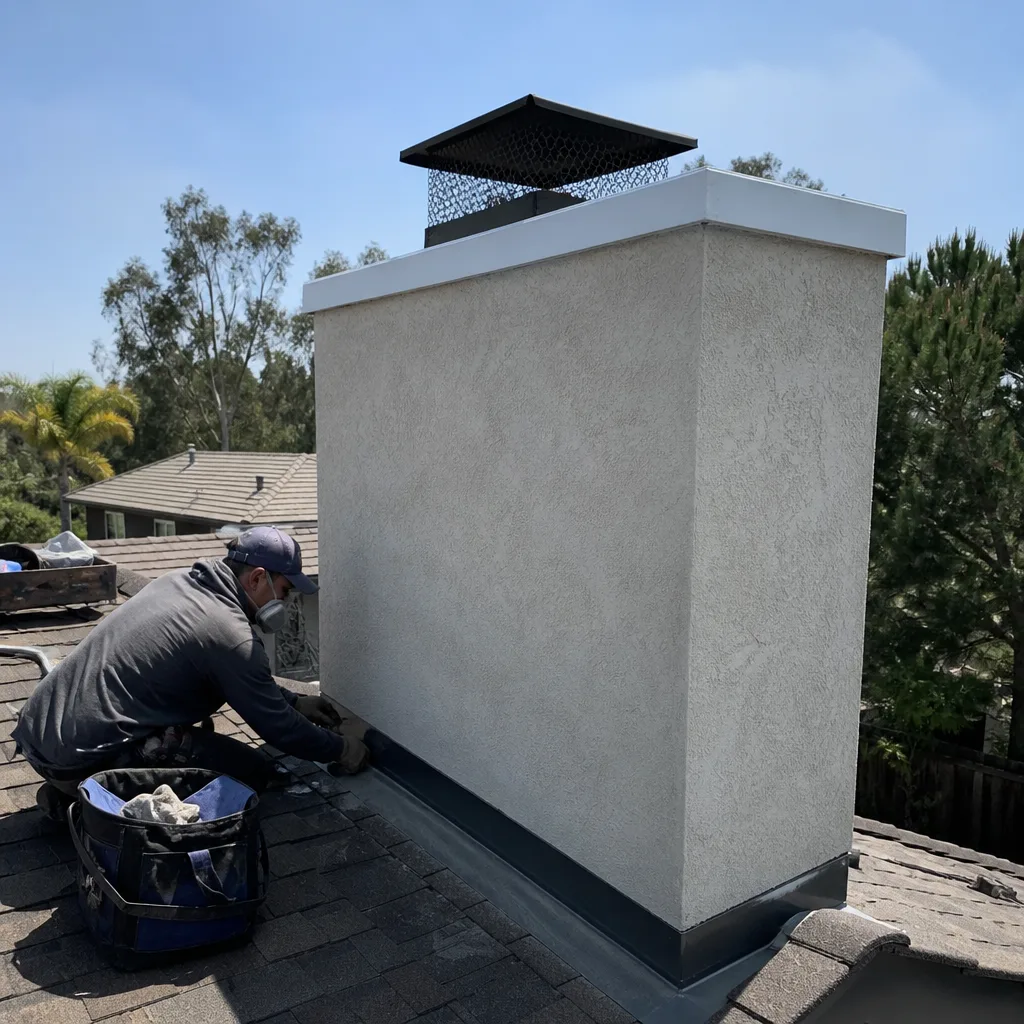 After
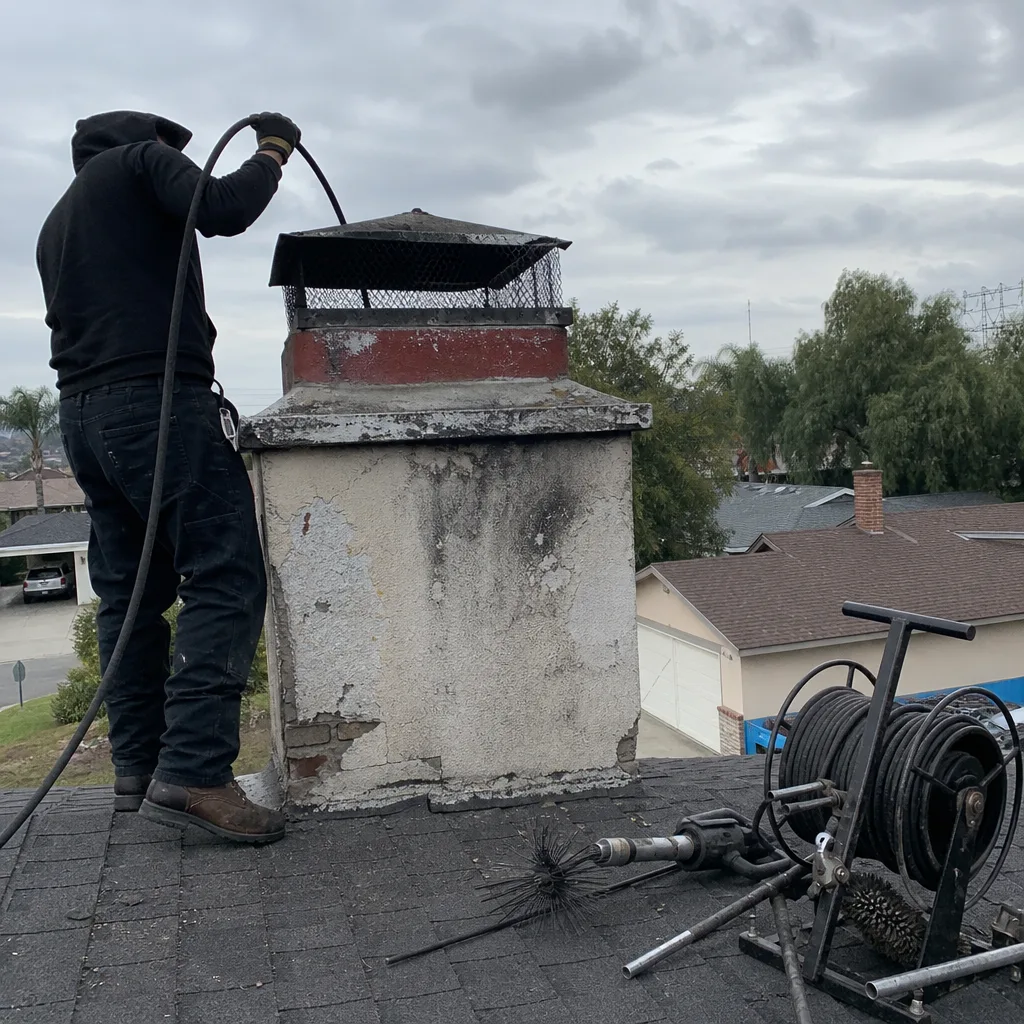 Before
 After
 Before
 After