
Last updated November 3, 2026
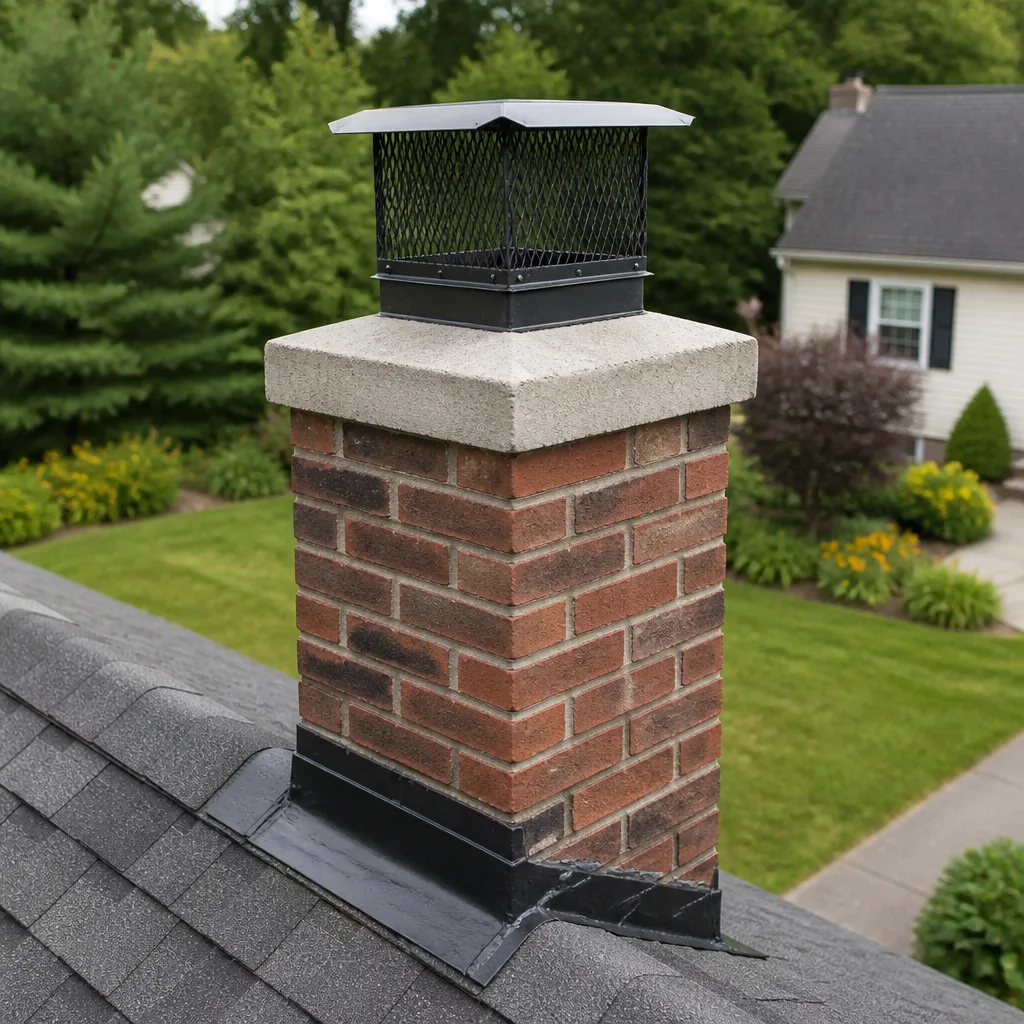 Sweep & inspection
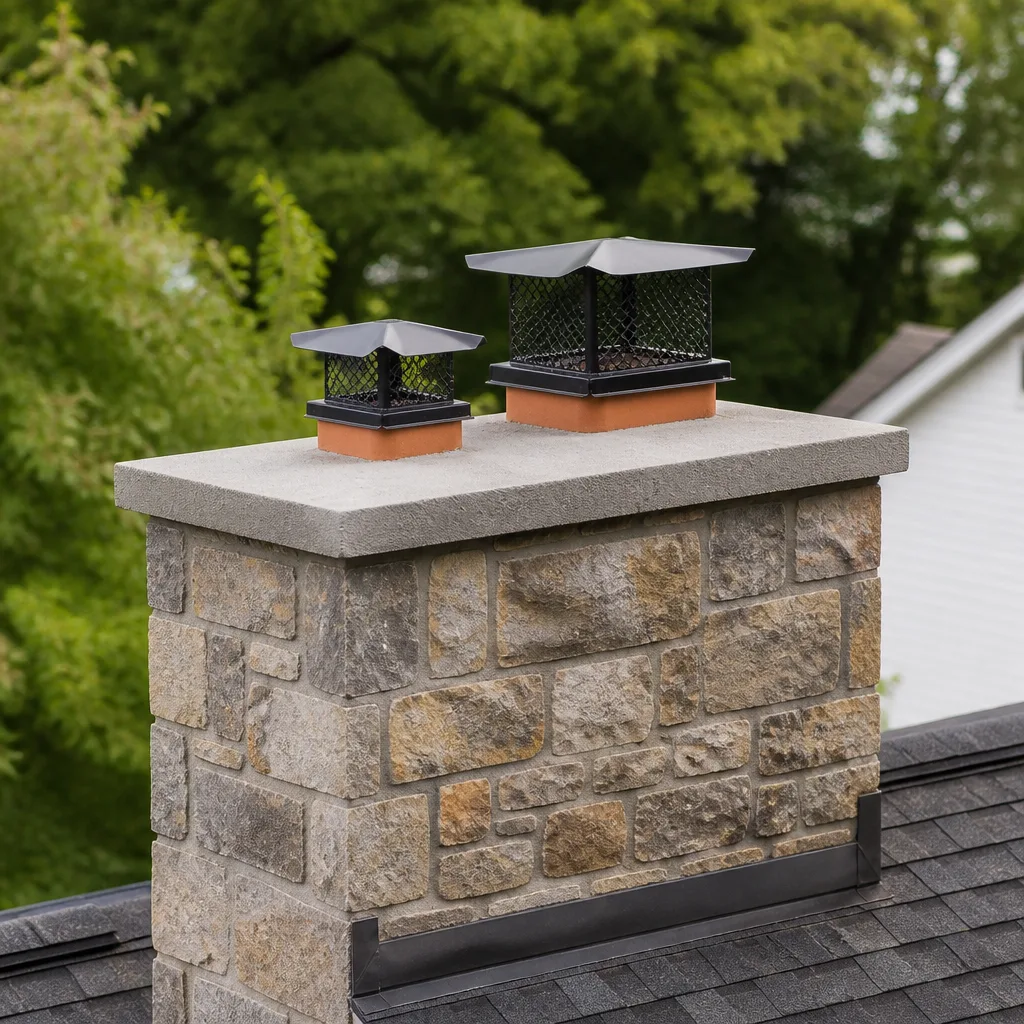 Caps & crowns
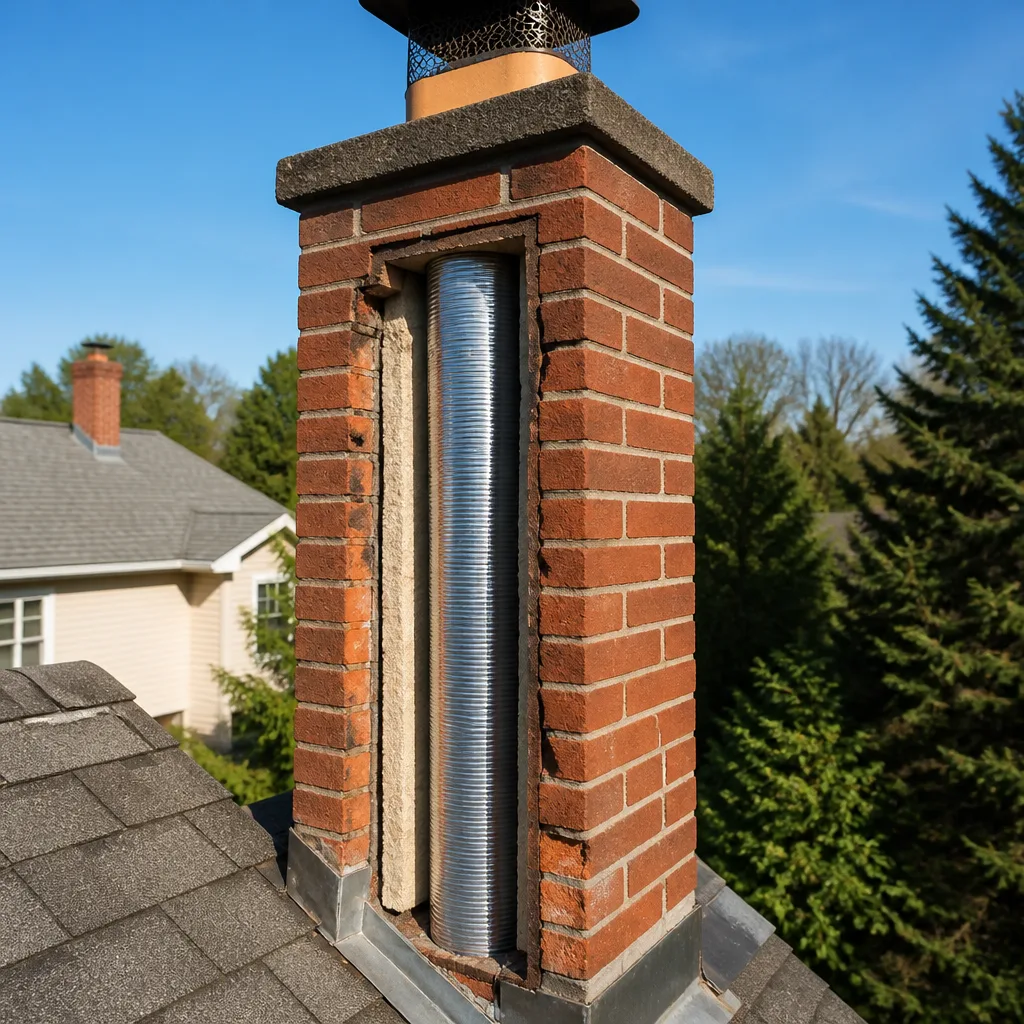 Flue relining
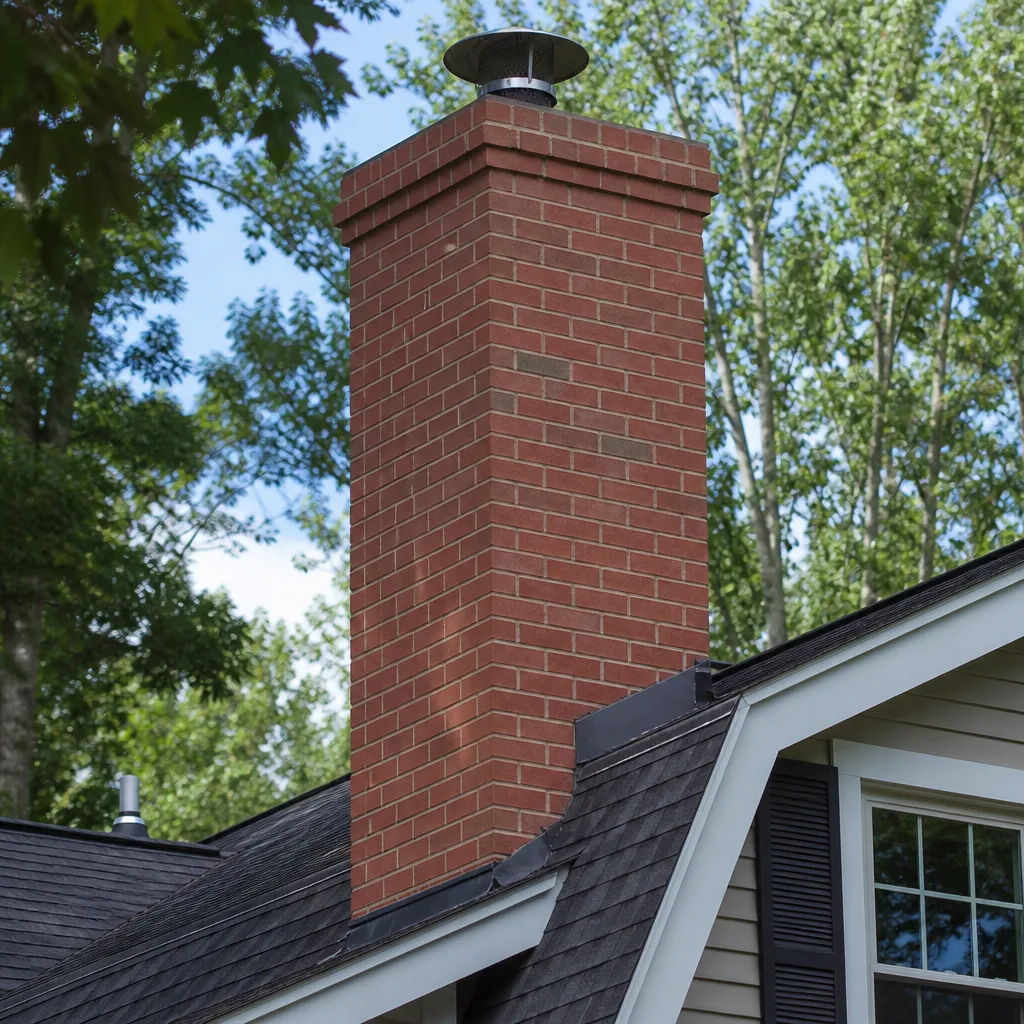 Masonry repair
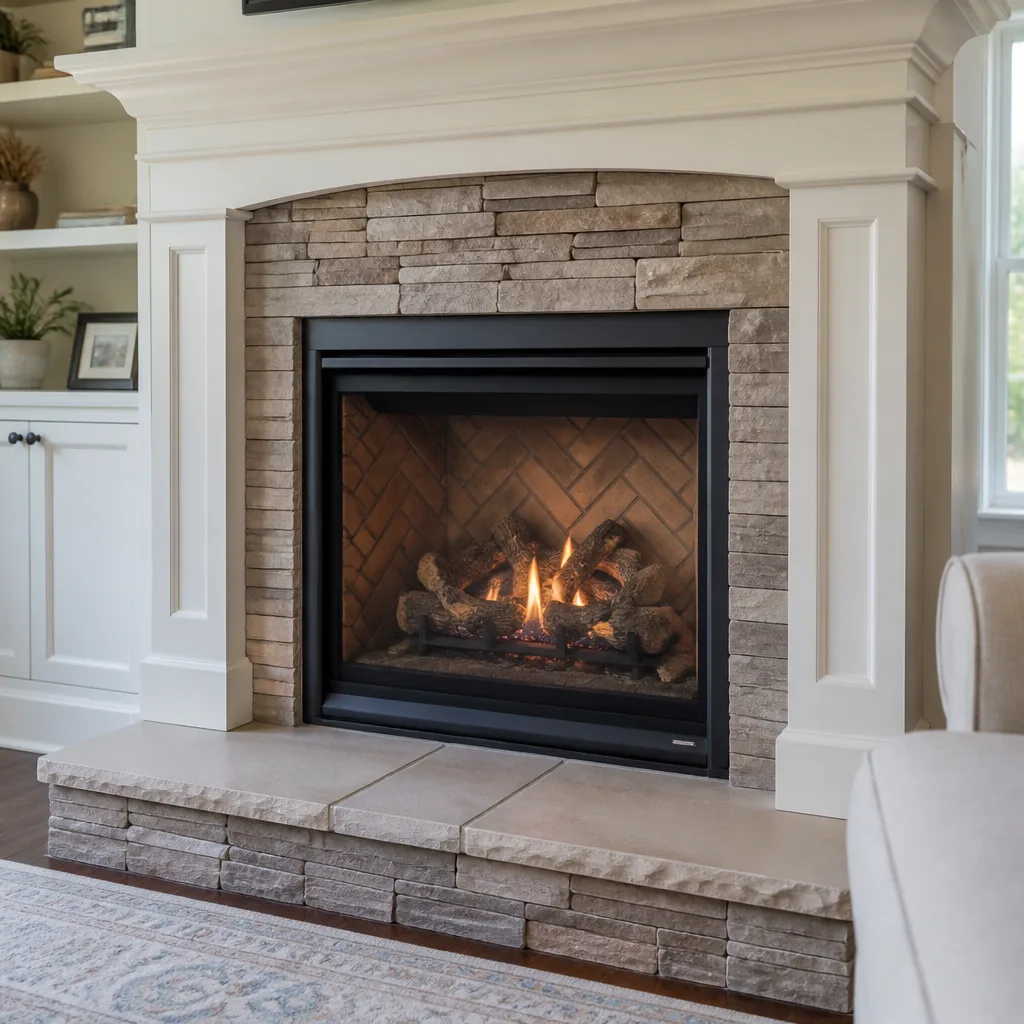 Gas fireplace service
Level 1 sweep and inspection to the NFPA 211 annual standard - flue, crown, cap, and flashing checked and photographed
Chimney sweep logs do not sweep chimneys. They loosen some creosote - which then falls where a brush and vacuum still have to collect it.
The Complete Chimney Sweep Guide for Northridge Homeowners
A chimney that gets used four or five times a year isn’t “barely used.” In Northridge, that pattern is often the riskiest one. A fireplace lit occasionally, at low temperatures, produces more stage-two creosote per fire than one burning hot every week during a Colorado winter. Our Complete Guide to Chimney Cleaning in Northridge explains why local chimneys fail differently than the national average, what to inspect, when to sweep, and how to think about repairs so you’re not paying for work you don’t need. We’ll walk through the specific materials, inspection levels, and seasonal timing that actually matter for a home in the San Fernando Valley.
Quick Answer
A chimney sweep in Northridge CA typically costs between $189 and $329 for a standard Level 1 cleaning, with most homes needing service every 1 – 2 years depending on fireplace type and use frequency. Homes in Northridge face a specific risk profile: infrequent low-temperature fires create glazed creosote, marine-layer moisture degrades mortar, and seismic activity from nearby faults can shift flue tiles without visible exterior damage. The right maintenance schedule isn’t national boilerplate – it’s a Chimney Sweep every 18 – 24 months for occasional wood burners, annual dryer vent cleaning, and a Level 2 camera inspection after any earthquake above magnitude 4.0 felt in the 91324/91325 zip codes.
Styles & brands we work with
- Sweep & inspection
- Caps & crowns
- Flue relining
- Masonry repair
- Gas fireplace service
Table of Contents
- Why Northridge Chimneys Don’t Follow National Rules
- The Creosote Problem: Why Occasional Fires Are Dirtier
- NFPA 211 Inspection Levels: What Northridge Homeowners Need
- How Much Does a Chimney Sweep Cost in Northridge?
- Materials That Matter: Liner, Cap, Crown, Damper
- Dryer Vents: The Second Fire Hazard in Your Laundry Room
- A Northridge-Specific Maintenance Calendar
- Earthquakes: What Happens to Your Flue When the Ground Moves
Why Northridge Chimneys Don’t Follow National Rules
Most chimney guides are written for places like Minnesota or New England, where a fireplace burns all winter at high temperatures. That pattern produces a particular kind of creosote – flaky, loose, removable with a standard brush. Northridge is different. We see sporadic burning, often on cool December or January evenings, with the damper open only partially to keep the room from overheating. That’s the exact recipe for stage-two creosote: a tar-like glaze that hardens onto flue walls, resists brushing, and becomes fuel for a chimney fire at temperatures above 2,000°F.
Add the local environment and you get a second factor. The marine layer that rolls into the Valley from the coast pushes moisture into porous masonry. When a chimney absorbs that damp air and then bakes under 100°F summer sun, the freeze has already happened as micro-expansion. Mortar joints crumble faster here than in drier inland climates. In Northridge neighborhoods like Sherwood Forest and Balboa Highlands, where homes date from the 1960s and 1970s, we regularly see spalling brick and eroded crown mortar that national inspection checklists treat as a footnote. Here, it’s the main event.
The third factor is seismic. Northridge sits within a few miles of the Northridge Fault system. Flue tiles shift during quakes, even small ones. A chimney that looked fine in March can have a separated tile joint in April after a 3.8 magnitude event centered in Porter Ranch. National guides don’t address that because their chimneys don’t shake.
The Creosote Problem: Why Occasional Fires Are Dirtier
Creosote forms when wood smoke condenses on the cooler walls of a chimney flue. The hotter the fire, the more complete the combustion, and the less creosote remains. A fire burning at 500°F to 700°F produces stage-one creosote: light, dusty, easy to remove. A fire barely going at 250°F to 350°F produces stage-two creosote: thick, tar-like, and sticky. That’s the fire you get when you light two logs on a Northridge evening, open a window to keep the room comfortable, and let the fire smolder.
Here’s what that means for a fireplace used 5 times a year in a gas-dominant neighborhood like Northridge. You’re not building up the same total volume of creosote as a weekly wood burner in Oregon. But the creosote you do build is denser, more flammable, and harder to remove. Per fire, you’re producing more risk. A chimney that goes 4 years without a sweep in Northridge might have a quarter-inch of glazed creosote – enough to sustain a chimney fire for 10 minutes, which is enough to crack flue tiles and damage the surrounding structure. See our DIY vs Professional Chimney Cleaning guide to understand why professional removal matters for this type of buildup.
Gas fireplaces complicate this. Many Northridge homes have gas log sets or gas inserts that were converted from wood-burning systems years ago. Gas doesn’t produce creosote, but it does produce acidic condensate that corrodes metal liners and deteriorates mortar. Homeowners assume “gas means no maintenance.” That’s false. A gas chimney still needs annual inspection, and if the flue was previously used for wood, it needs a sweep before conversion and periodic checks afterward for debris or animal entry.
NFPA 211 Inspection Levels: What Northridge Homeowners Need
The National Fire Protection Association defines three inspection levels under NFPA 211. Each has a specific purpose, and knowing the difference saves you from both overpaying and under-inspecting.
Level 1: The Annual Standard
A Level 1 inspection checks the readily accessible portions of the chimney: the firebox, damper, flue interior with a light or basic scan, exterior cap, and basic structural condition. This is what accompanies a routine sweep. It confirms that the system is functioning for continued use under the same conditions.
Level 2: After Earthquakes, Property Sales, or Changes
A Level 2 inspection includes everything in Level 1 plus a camera scan of the entire flue interior, attic access points, crawlspace, and exterior clearances. The camera matters because it reveals what a flashlight can’t: hairline cracks in flue tiles, shifted tile joints, hidden creosote pockets, or deteriorating mortar beds. For a Northridge homeowner, Level 2 is required by NFPA 211 after any event that might have compromised the structure – and that includes seismic activity. If you felt a noticeable earthquake, even one that didn’t leave visible damage, a Level 2 camera inspection is the only way to confirm the flue didn’t shift. Homeowners in the 91324 zip code should also expect a Level 2 inspection during a real estate transaction, per California disclosure practices.
Level 3: When Damage Is Suspected
A Level 3 inspection is invasive. It may require removing portions of the chimney or surrounding structure to access hidden areas. This level is only appropriate when a Level 1 or Level 2 inspection identifies damage that can’t be fully assessed without demolition – for example, a suspected fire inside the chimney chase or a structural concern in a concealed section. In Northridge, a Level 3 might be required after a serious chimney fire or when an earthquake has visibly shifted the chimney mass and damage extends below the roofline.
What to Expect From a Proper Inspection in Northridge
- A sweep or technician should inspect the exterior crown, cap, and flashing – not just the flue interior.
- A camera scan on Level 2 inspections should produce photo or video evidence you can see yourself.
- The technician should explain what they found in plain language and show you the images, not just describe them.
- Any recommendation for repair should cite the specific deficiency and, where relevant, offer a range of repair options – including restoration alternatives like HeatShield resurfacing when the liner is deteriorated but not fully failed.
- You should receive a written report. If you don’t get one, ask for it.
How Much Does a Chimney Sweep Cost in Northridge?
A standard chimney sweep in Northridge CA typically ranges from $189 to $329 for a Level 1 inspection plus cleaning. The spread depends on the fireplace type, flue condition, roof access difficulty, and whether the chimney has a cap that needs removal for access. Homes in the flat, accessible neighborhoods of Northridge like Devonshire Highlands tend to be quicker jobs than hillside homes with steep rooflines.
| Service | Typical Northridge Range | Notes |
|---|---|---|
| Level 1 inspection + sweep (wood-burning, standard flue) | $189 – $279 | Includes firebox cleaning and damper check |
| Level 2 camera inspection (add-on) | $120 – $190 | Required after earthquakes and before home sales |
| Gas fireplace inspection + cleaning | $149 – $229 | Includes log set check and burner verification |
| Dryer vent cleaning (standalone) | $110 – $175 | Separate system, separate access point |
| Chimney cap replacement (supply + install) | $240 – $520 | Varies by flue size and brand (Olympia Chimney, Famco, Copperfield) |
| Flue liner resurfacing (HeatShield) | $1,800 – $4,200 | Depends on flue length and number of flues |
These ranges reflect what we see across Northridge, from single-story ranch homes near CSUN to two-story properties in the Northridge West Neighborhood Council area. The single biggest cost variable is not the sweep itself – it’s what the camera finds. A chimney that costs $229 to sweep and turns out to need a $3,800 liner restoration is a very different conversation than the $249 clean bill of health you hoped for. That’s why we show homeowners the camera footage before recommending any repair. If you can’t see the problem, don’t write the check. For more guides & resources on understanding chimney costs, explore our blog.
Materials That Matter: Liner, Cap, Crown, Damper
The difference between a chimney that lasts 5 years and one that lasts 30 in a high-UV, seismic zone comes down to materials. Most local chimney companies stock whatever is cheapest at the supply house. That’s the wrong approach for Northridge, where summer UV cycles and periodic ground movement punish substandard components.
Flue Liners
The liner is the chimney’s internal exhaust pipe. In older Northridge homes, especially those built before 1980, the original liner is often terra cotta tile. These tiles crack from seismic stress, thermal shock, and age. Cracked tiles allow heat and gases to reach combustible framing. When a liner is cracked but the surrounding structure is sound, resurfacing with HeatShield – a cerfified refractory material applied inside the existing flue – restores function without the cost and disruption of full liner replacement. When the liner is beyond resurfacing, a stainless steel liner from DuraFlex is the specification-grade choice. It’s a brand professional chimney contractors specify because of its alloy composition and flexibility in retrofit applications.
Caps and Covers
A chimney cap does more than keep rain out. It prevents animal entry, blocks downdrafts, and contains sparks. In Northridge, where squirrels and roof rats are persistent, a missing or damaged cap means a flue full of nesting material within weeks. We stock and install caps from Famco and Copperfield, both professional-grade manufacturers. The difference between a $40 big-box cap and a Famco or Copperfield unit is steel gauge and mesh quality. Thin caps rust through in 3 years of Valley sun; professional caps last a decade or more.
Crowns
The crown is the concrete or mortar surface at the top of the chimney that seals the masonry from moisture. Most Northridge chimneys we inspect have crowns that were poured too thin or without a proper drip edge. The result is hairline cracking that lets marine-layer moisture and seasonal rain into the brick. A properly rebuilt crown uses a Portland-based mix with a slight slope away from the flue and a flexible sealant joint between the crown and flue tile. This is a detail many sweeps skip, and it’s a primary driver of masonry deterioration in the Valley.
Dampers
The damper seals the flue when the fireplace isn’t in use. A warped or rusted damper leaks conditioned air year-round, driving up summer AC costs in Northridge homes that already strain to cool below 78°F in August. Top-sealing dampers from brands like Olympia Chimney are a significant upgrade over throat dampers, creating a rubber gasket seal at the flue top that also blocks downdrafts during Santa Ana wind events.
Dryer Vents: The Second Fire Hazard in Your Laundry Room
Per NFPA data, dryer vent fires account for roughly 15,000 structure fires annually in the United States. The cause is almost always the same: accumulated lint restricting airflow, combined with a heat source that never gets to cool down. A dryer vent in a Northridge home might run from a laundry room in the center of the house to an exterior wall 15 or 20 feet away – long enough to accumulate a serious lint load in under two years.
Our Dryer Vent Cleaning in Northridge service addresses this hazard directly. We clean the full vent run from dryer connection to exterior termination, removing accumulated lint, checking for kinked or sagging duct sections, and verifying the exterior vent cover operates correctly. This isn’t a side service we added to fill a calendar. It’s a fire-safety system as important as the chimney itself, and it’s one that chimney-only companies typically ignore.
Signs your dryer vent needs cleaning: clothes take multiple cycles to dry, the dryer feels hot to the touch on the exterior, the laundry room gets humid during a cycle, or you can’t remember the last time the vent was cleaned. If any of those apply, schedule a cleaning before the issue becomes a fire.
A Northridge-Specific Maintenance Calendar
National guides love to say “sweep your chimney annually.” That’s useless for a Northridge homeowner whose fireplace sits dormant 10 months a year. Here’s a maintenance calendar that actually matches the local climate and fire season.
- September – Pre-Fire-Season Sweep: Schedule your chimney sweep and Level 1 inspection before the first cool evening. Santa Ana winds start in September and October. A clean flue and functional spark arrestor are the minimum for safe burning during high-wind periods. This is also the right time to check the chimney cap for summer storm damage.
- October – Fireplace Test Fire: After the sweep, light a small test fire. Watch for smoke spillage into the room, unusual odors, or a damper that doesn’t open smoothly. If the fireplace has a gas starter or log set, verify the burner operates correctly before you need it on a 40°F December night.
- November – Dryer Vent Service: Before the holiday laundry load, clean the dryer vent. Holiday cooking and guest laundry double the demand on your appliances. A clean vent runs efficiently and reduces the risk of an ignition at the worst possible time.
- December through February – Burning Season: Burn only seasoned hardwood. No wrapping paper, no pizza boxes, no pine. Keep fires moderate – a blazing inferno is not the goal. Check the chimney exterior during rain events for water staining on the ceiling or wall around the fireplace, which indicates a flashing or crown leak.
- March – Post-Season Inspection: Before the fireplace goes dormant, do a quick visual check. Any creosote odor in the room when the fireplace is cold suggests build-up that needs attention. Note any cracks in the firebox brick or failing mortar joints.
- April through August – Off-Season Repairs: This is the best time for structural work. Crown repair, masonry repointing, liner resurfacing, and cap replacement are all easier and more reliable during dry weather. If a camera inspection in March identified a problem, schedule the repair now rather than discovering it’s worse in September.
If you feel an earthquake at any point in the year, add a Level 2 camera inspection to the calendar. See the next section for why.
Earthquakes: What Happens to Your Flue When the Ground Moves
Northridge is named for the 1994 earthquake that remains one of the most studied seismic events in U.S. history. The fault systems that produced that quake haven’t gone anywhere. When the ground moves, a masonry chimney is one of the most vulnerable components of a home. It’s a rigid vertical structure that doesn’t flex, so seismic force translates directly into stress on bricks, mortar, and flue tiles.
What we see in our Chimney Sweep in Northridge work after even minor quakes: offset flue tile joints, where one tile section shifts a quarter-inch relative to the next; cracked crown mortar; separated flashing at the roofline; and, in older homes, partial or complete detachment of the chimney structure above the roof. These failures are not always visible from the ground. A chimney can sustain internal damage that only a camera reveals.
After any earthquake strong enough to rattle windows or knock items from shelves, schedule a Level 2 inspection. If the inspection finds shifted tiles but the liner is otherwise intact, resurfacing with HeatShield may restore the flue without full replacement. If the structural masonry itself is compromised, a more extensive repair is required. The important rule: don’t light a fire after an earthquake until a professional has confirmed the flue is clear and continuous.
Structural Repair: What’s Actually Urgent
Not every crack is an emergency. Hairline cracks in the firebox brick or small surface cracks in the exterior mortar are common in Northridge homes and often cosmetic. What’s urgent: any crack you can fit a quarter into, any gap between the chimney and the house, any visible lean, or any spalling brick falling onto the roof or ground below. For these, Chimney Repair in Northridge should come from a company that uses specification-grade materials – not just any patch job. The repair matters because the chimney’s job is to contain a fire inside your house. A compromised structure can’t do that.
Common Mistakes to Avoid
- Assuming “gas means no maintenance.” Gas fireplaces still need annual inspection. Gas combustion produces acidic condensate that corrodes liners and mortar. A gas chimney left uninspected for 5 years can develop hidden damage just like a wood chimney.
- Sweeping too often and too little at the same time. Some Northridge homeowners over-sweep (every year despite burning 4 times) while ignoring the dryer vent entirely. Frequency should match actual use: occasional wood burners need a sweep every 18 – 24 months, but the dryer vent needs annual attention regardless.
- Hiring a sweep who doesn’t use a camera. A Level 1 sweep with a flashlight misses everything that matters: cracked tiles, hidden creosote, shifted joints. If a sweep can’t show you camera footage, you don’t actually know the condition of your flue.
- Skipping the chimney cap. A missing cap in Northridge means an animal nest within a month. Roof rats and squirrels are constant in Valley neighborhoods. A cap is a $200 – $500 item that prevents a $1,000+ animal removal and flue cleaning plus potential fire from nest ignition.
- Burning unseasoned wood or construction scraps. Green wood and dimensional lumber produce excessive creosote and burn at temperatures that accelerate buildup. Seasoned hardwood only – no painted wood, no treated wood, no trash.
- Delaying liner repair based on cost alone. A cracked liner is a fire hazard. Period. If a camera inspection shows cracked tiles, the conversation isn’t about whether to fix it – it’s about whether HeatShield resurfacing or full replacement is the right fix. Waiting doesn’t make it cheaper; it makes it more expensive when the chimney fire happens.
- Trusting a verbal estimate without seeing evidence. Any recommendation for thousands of dollars of work should come with camera footage you can see and understand. If a company tells you the liner is “bad” but can’t show you the crack, get a second opinion. Our Chimney Sweep Northridge home service standard is simple: we show you the problem before we quote the fix.
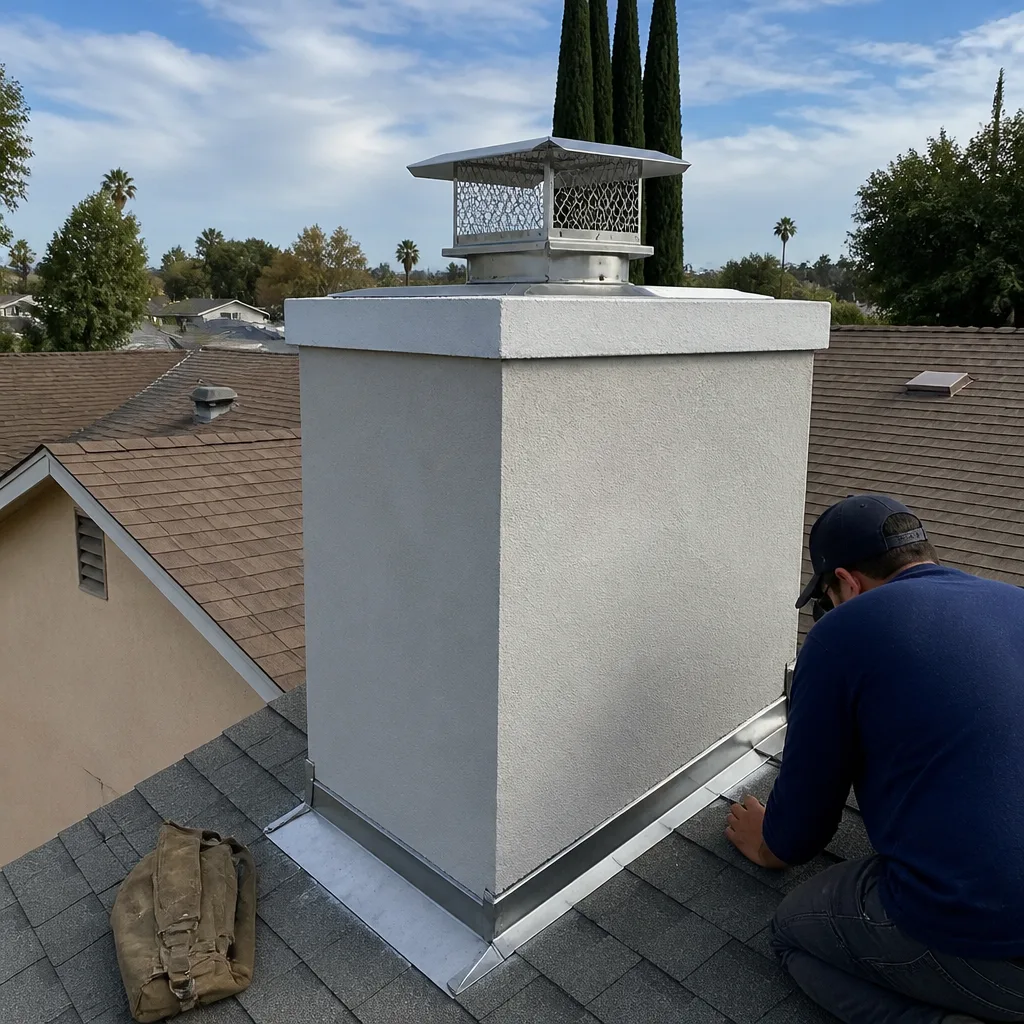
See the difference
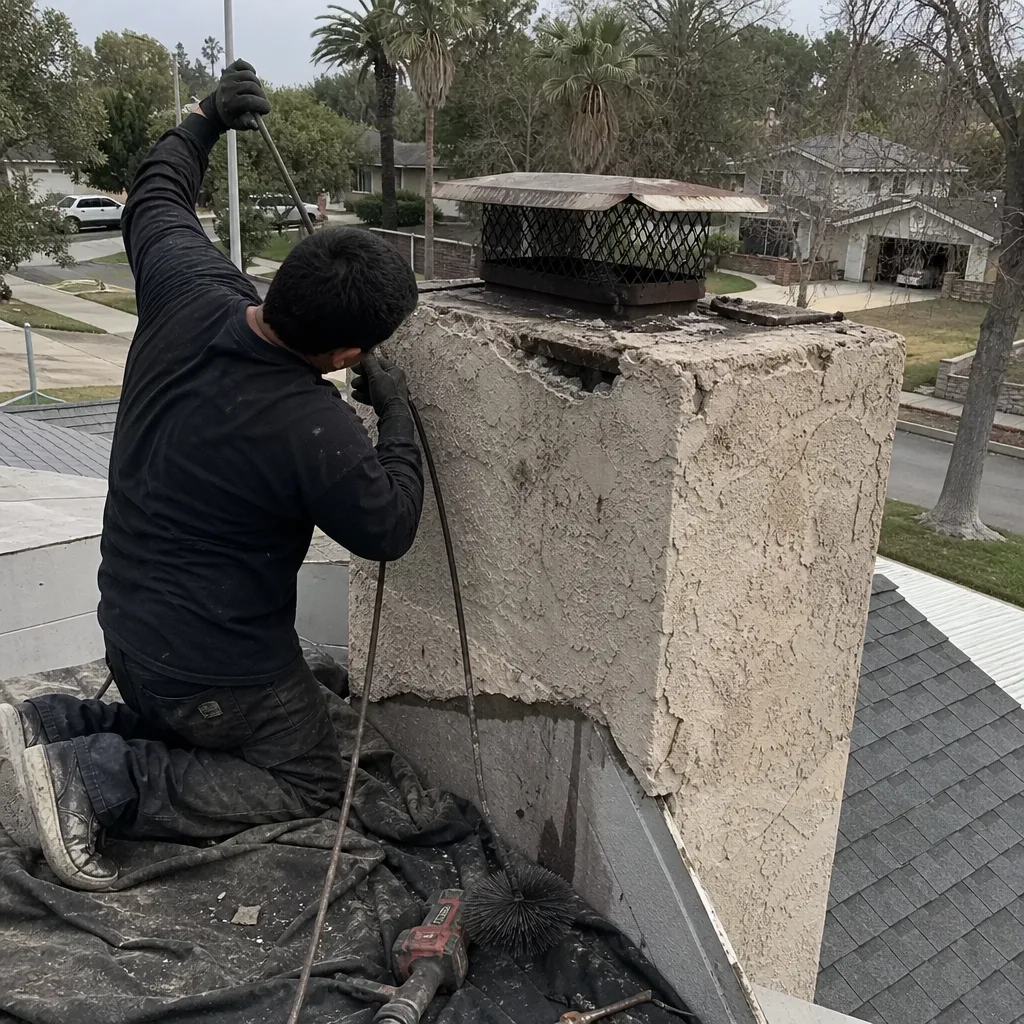 Before
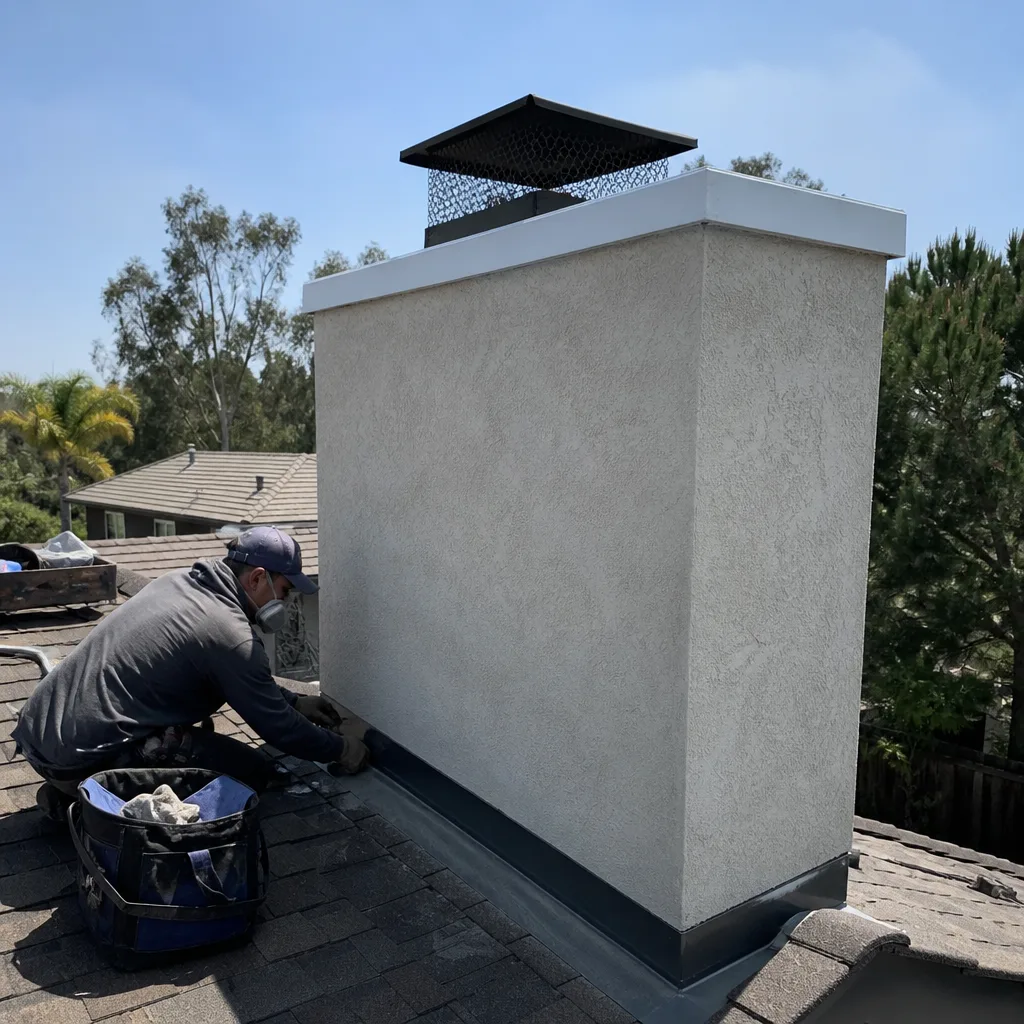 After
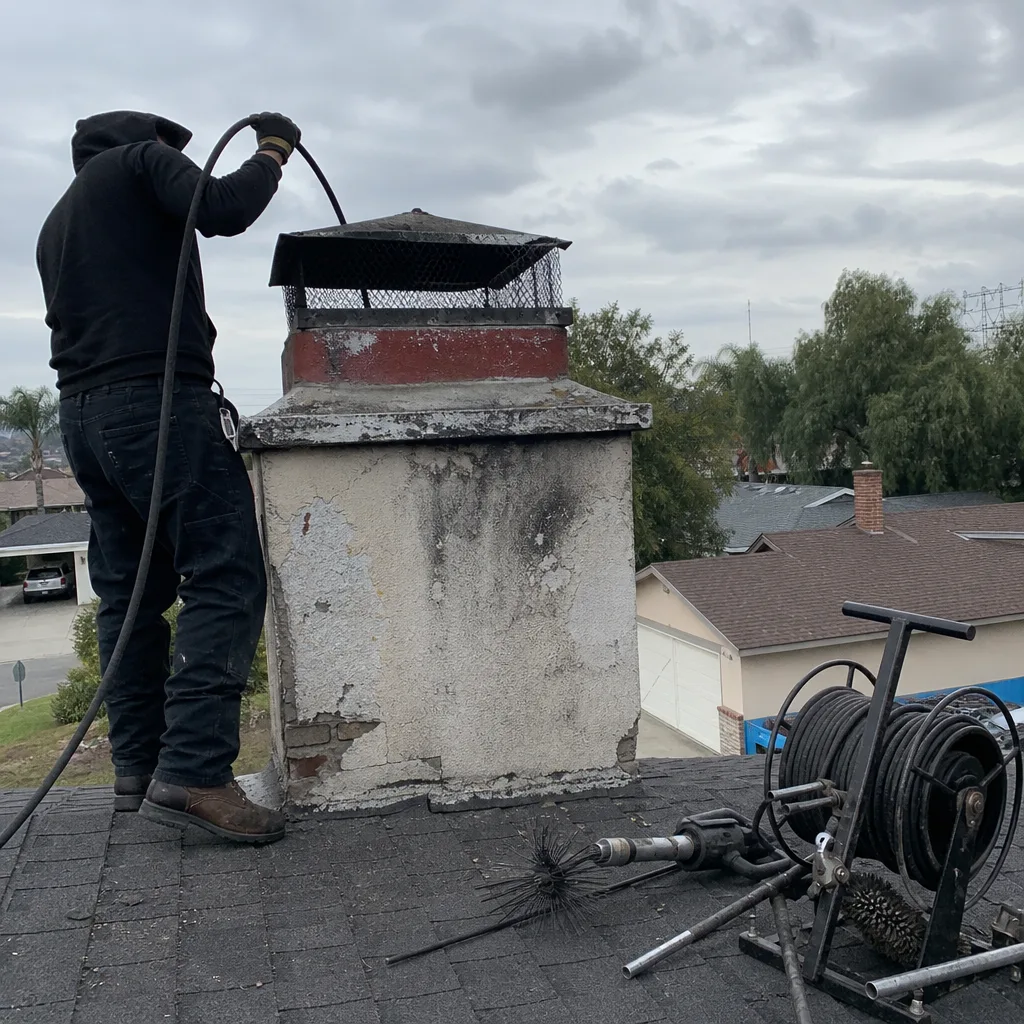 Before
 After
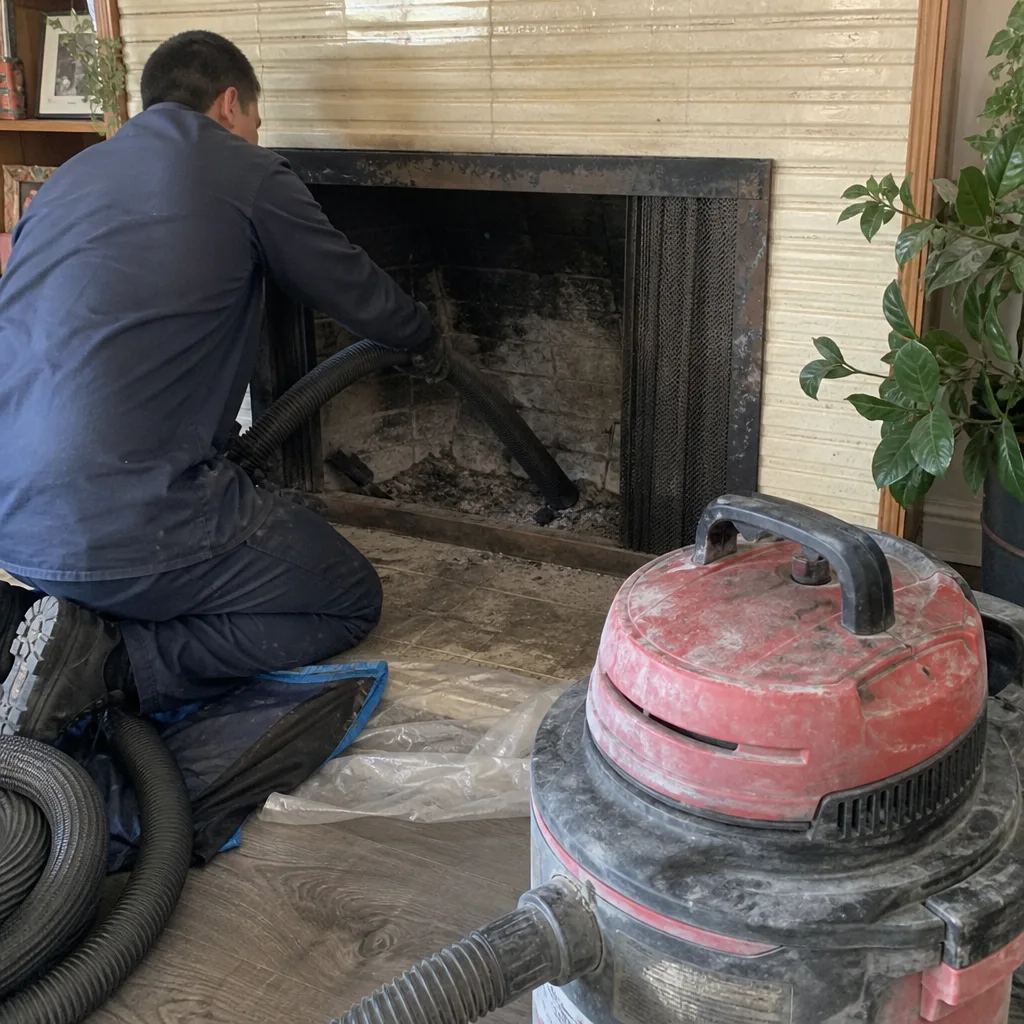 Before
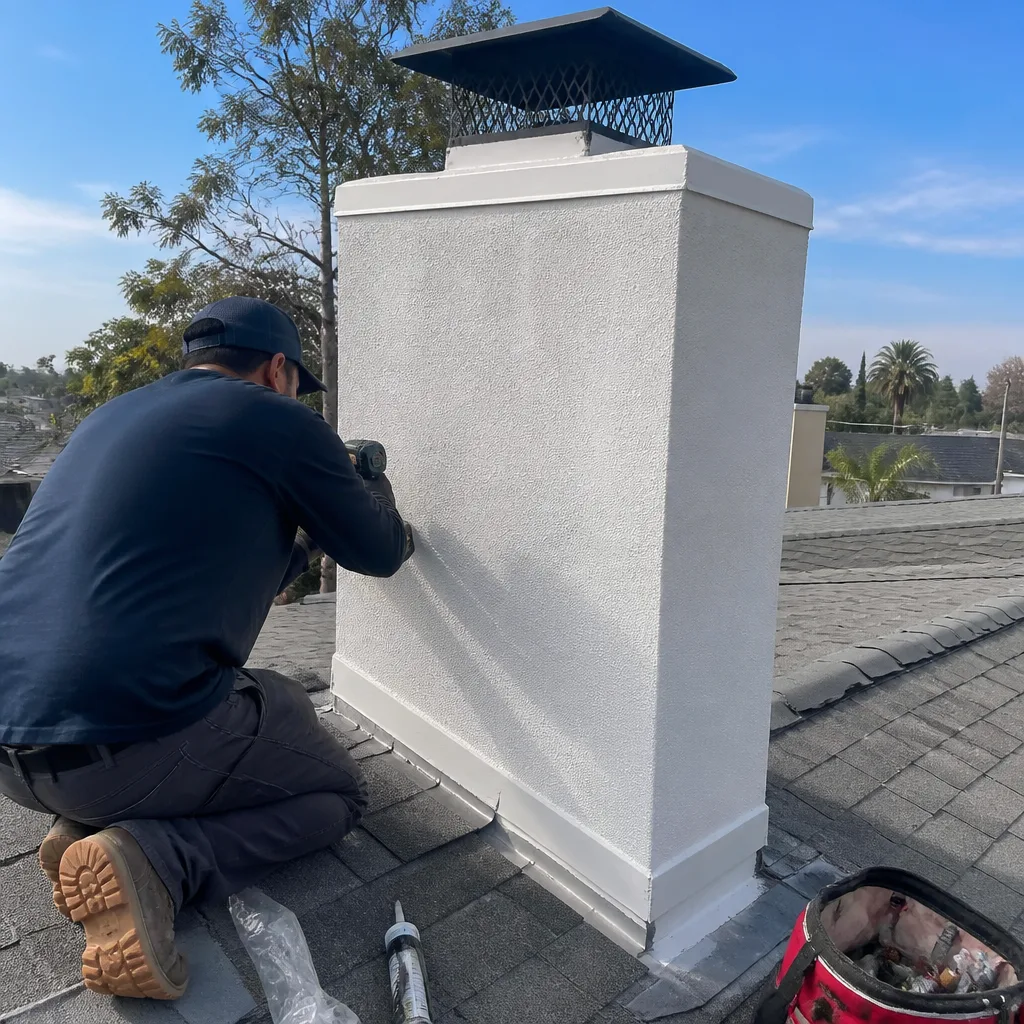 After
When to Call a Professional
Call a professional chimney service if you notice any of the following: a chimney odor in the room when the fireplace is cold, smoke spilling into the house during use, visible cracks in the firebox or exterior masonry, water staining on the ceiling around the chimney, animal sounds from the flue, or if the fireplace hasn’t been inspected in more than 2 years. After any felt earthquake in Northridge, schedule a Level 2 camera inspection before the next burn. And if your dryer takes longer than 45 minutes to dry a load, the vent needs attention. Chimney Sweep Northridge offers free estimates in Northridge – call (833) 589-9223.
Frequently Asked Questions
Every 18 – 24 months for a wood-burning fireplace used fewer than a dozen times per year. Homes that burn more frequently – weekly during November through February – should be swept annually. Gas fireplaces should be inspected annually, even though they don’t produce creosote, because gas combustion creates corrosive condensate that damages liners over time. If you’re not sure, a Level 1 inspection will tell you whether a sweep is necessary. Call (833) 589-9223 for an assessment.
A standard Level 1 sweep and inspection in Northridge CA typically runs $189 to $279, with Level 2 camera inspections adding $120 to $190. Gas fireplace service runs $149 to $229. The final cost depends on your fireplace type, roof access, and what the inspection finds. Get a free estimate by calling (833) 589-9223 before booking.
Not always. If a camera inspection shows cracked or deteriorated flue tiles but the surrounding structure is sound, HeatShield resurfacing can restore the flue at a fraction of full replacement cost. This resurfacing method applies a refractory material inside the existing flue, sealing cracks and creating a smooth, insulated surface. Full liner replacement is only necessary when damage is severe or the existing liner is too far gone. The decision should always be based on camera evidence you can see.
Creosote accumulates, flue cracks worsen, and the risk of a chimney fire increases. Stage-two creosote – the glazed, tar-like buildup common in infrequent Northridge fires – ignites at high temperatures and burns hot enough to crack flue tiles and spread to surrounding framing. Skipped maintenance also means missed animal nests, water intrusion, and a dryer vent that becomes a hidden fire hazard. Most chimney failures aren’t sudden; they’re the result of years of deferred attention.
Yes, if the earthquake was strong enough to shift furniture or crack drywall. NFPA 211 requires a Level 2 inspection after any event that might have compromised the chimney structure. In Northridge, where seismic activity is a constant, a post-earthquake camera inspection is the only way to confirm flue tiles haven’t shifted. Don’t light a fire until the flue has been verified clear and continuous.
Yes. Gas fireplaces and gas log sets are common throughout Northridge, and they require annual inspection and periodic servicing. The inspection covers the burner, log placement, damper condition, and flue integrity. Gas systems produce acidic condensate that corrodes liners, so even a “clean” gas chimney can hide structural deterioration. Call (833) 589-9223 to schedule a gas fireplace inspection.
The Bottom Line
A Northridge chimney needs a different maintenance approach than the national guides suggest. Occasional low-temperature fires create glazed creosote that’s more dangerous per fire than regular hot burns. Marine-layer moisture and summer UV cycles erode mortar and crowns faster than interior climates. Seismic activity from nearby fault lines shifts flue tiles without leaving visible exterior damage. The right maintenance schedule is a sweep every 18 – 24 months, annual dryer vent cleaning, a Level 2 camera inspection after any felt earthquake, and repairs done with specification-grade materials – not big-box substitutes. If you want a clear explanation of what’s in your flue and what to do about it, call (833) 589-9223 for a free estimate.
Written by the team at Chimney Sweep Northridge, serving Northridge since 2012.