
Last updated November 3, 2026
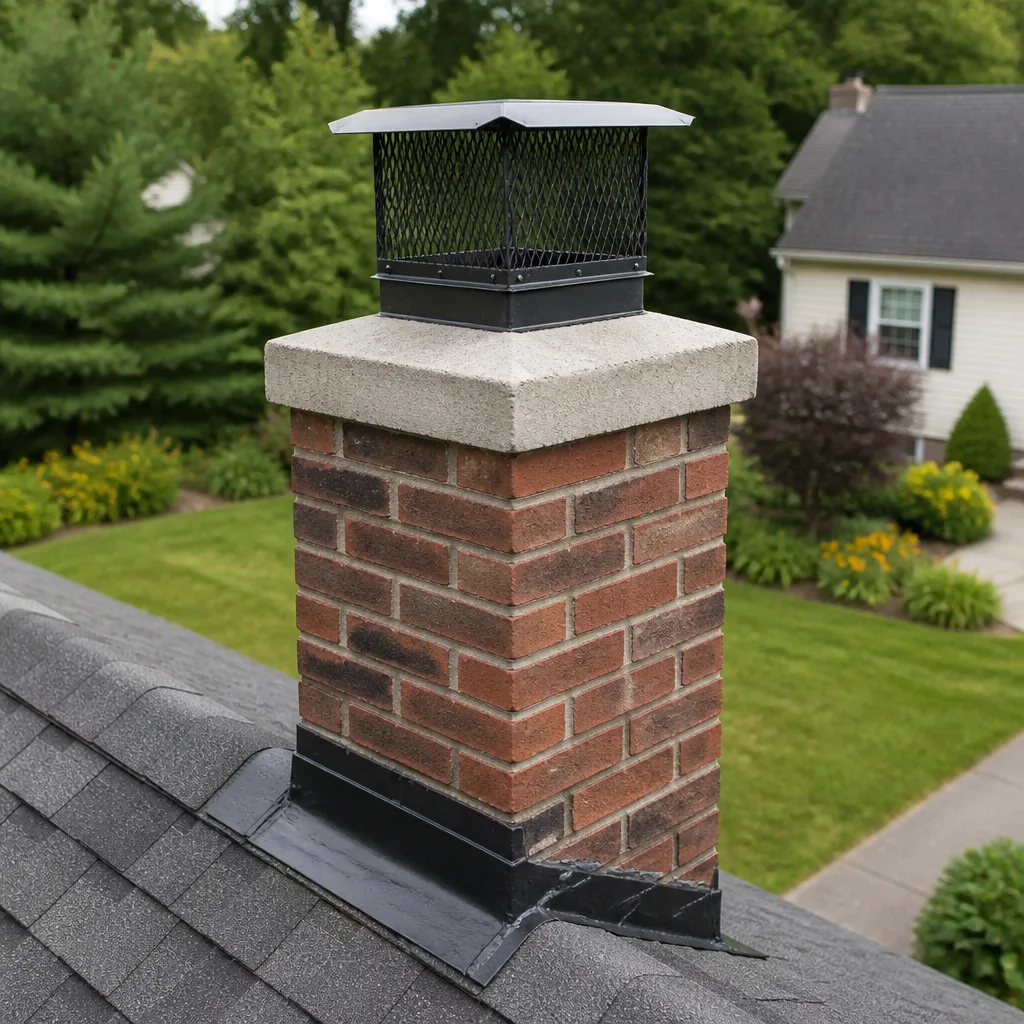 Sweep & inspection
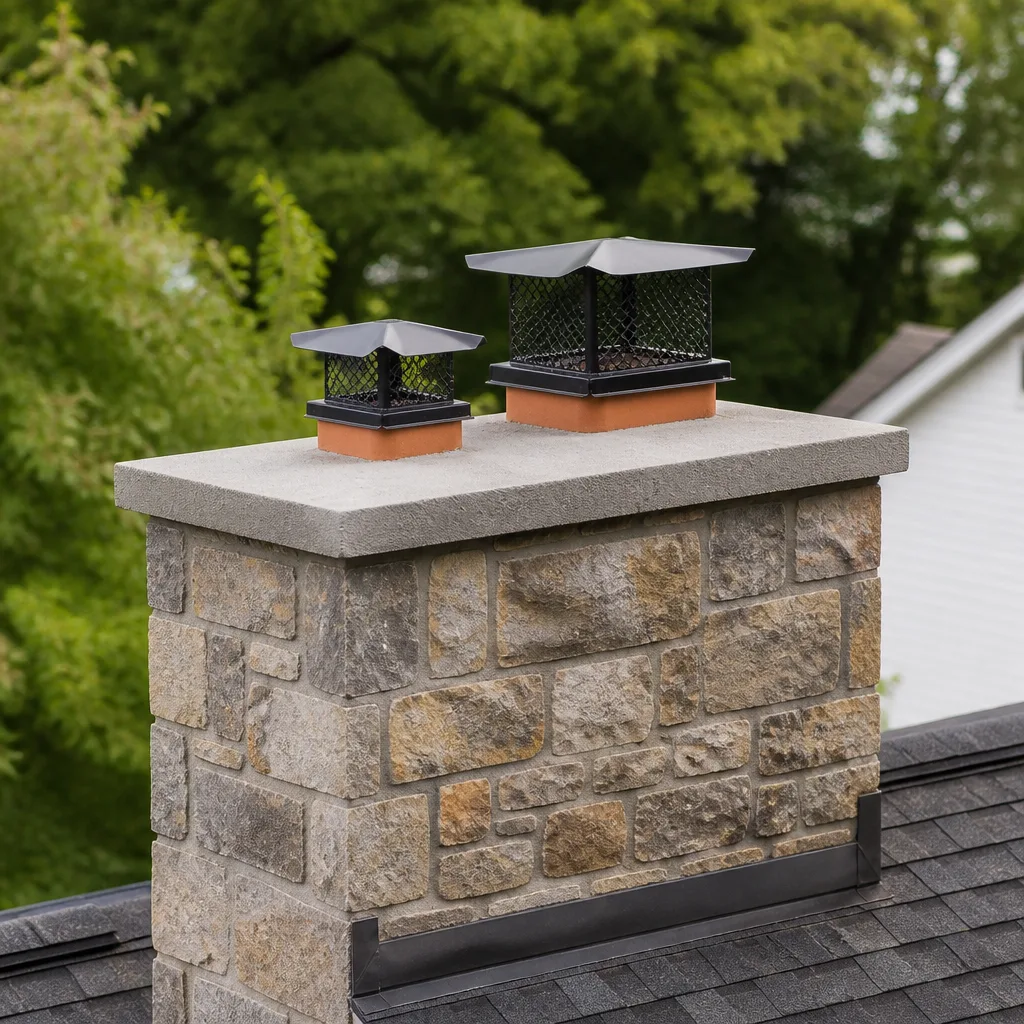 Caps & crowns
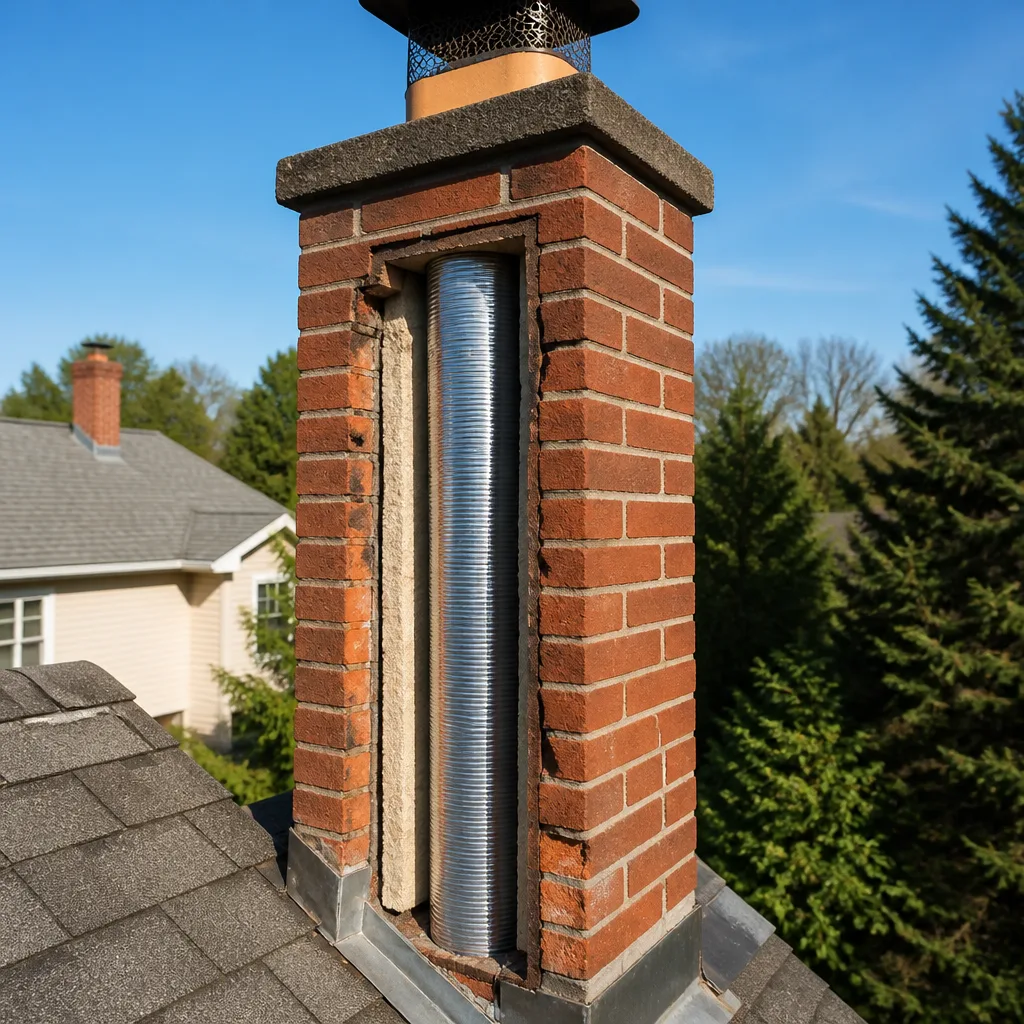 Flue relining
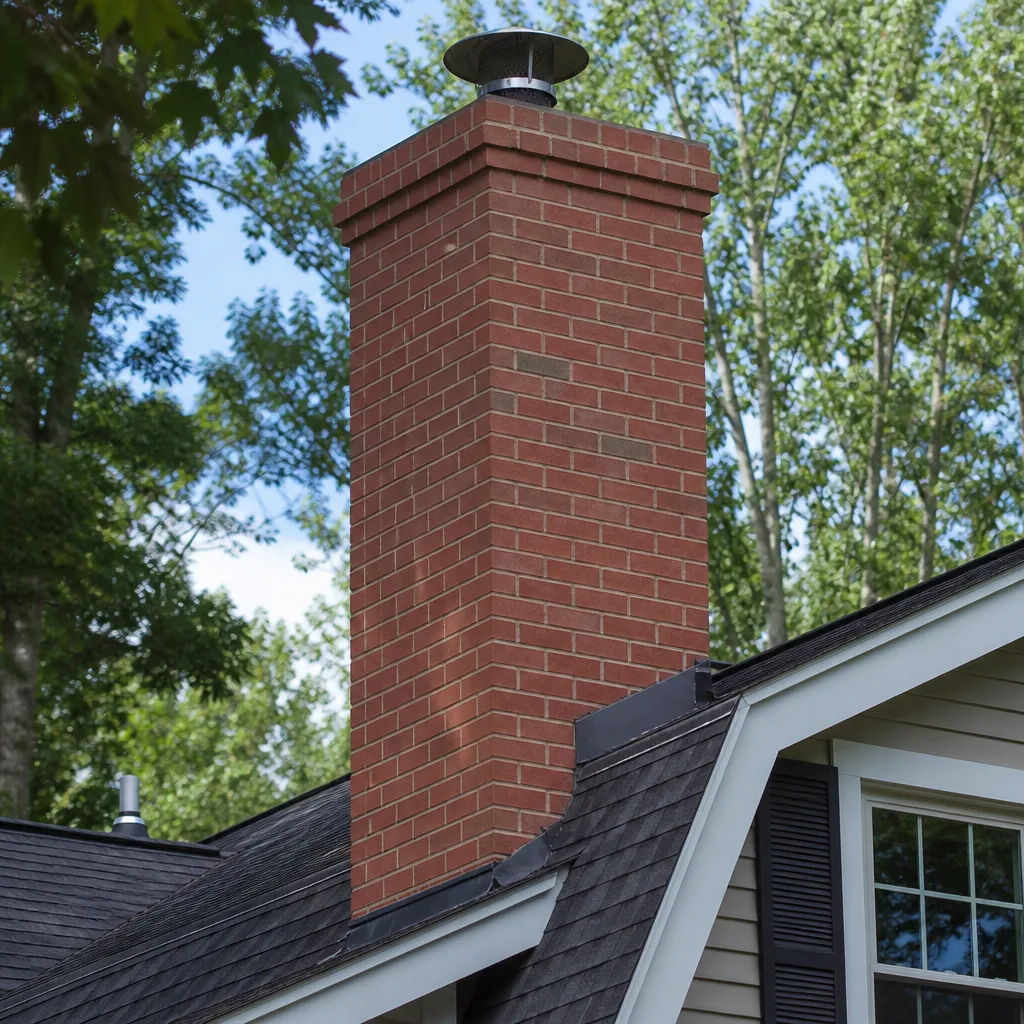 Masonry repair
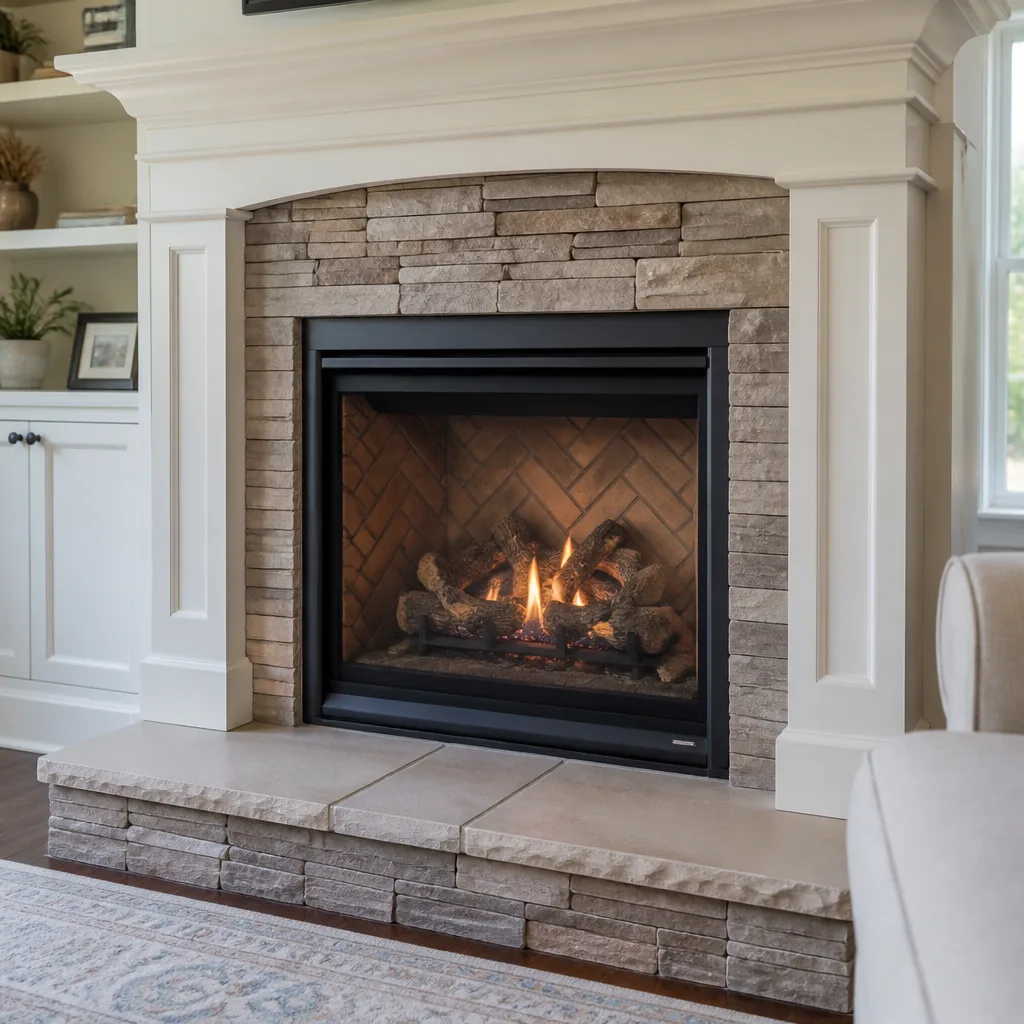 Gas fireplace service
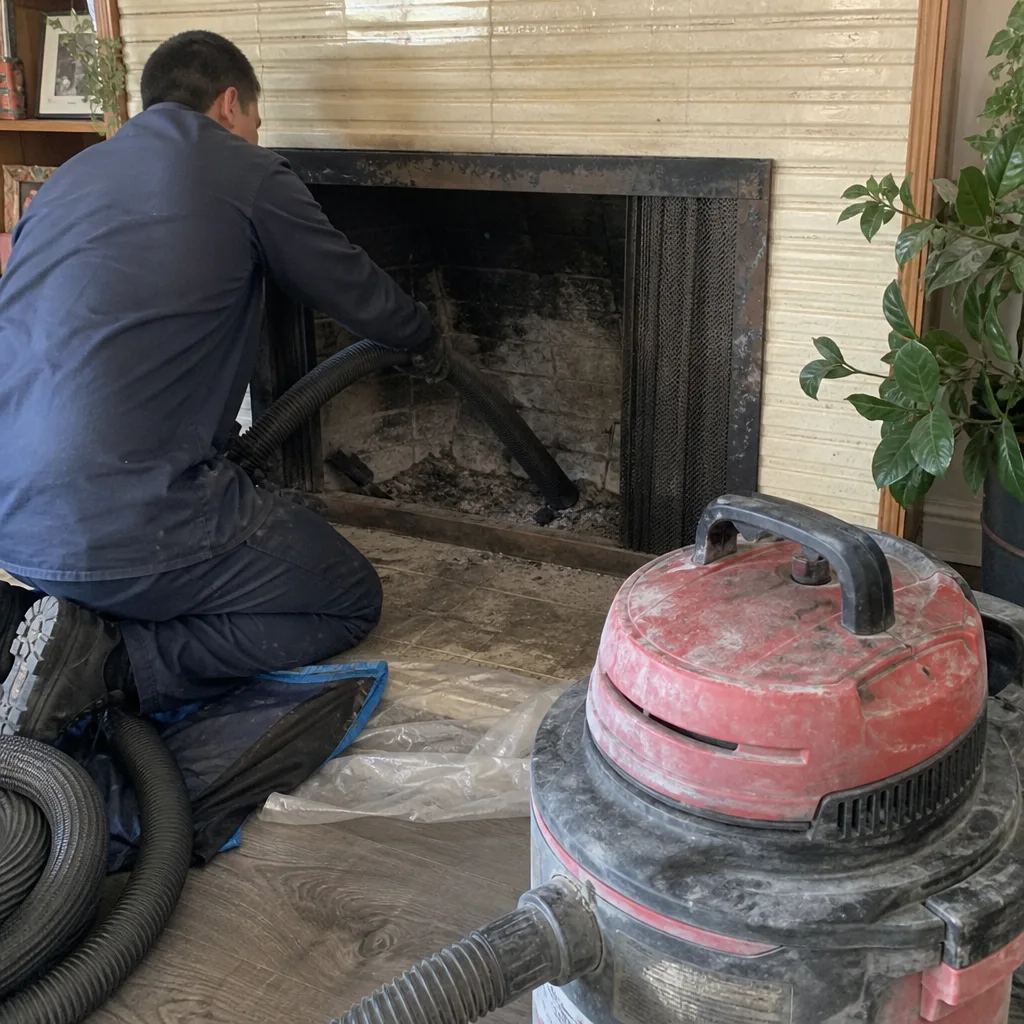
Level 1 sweep and inspection to the NFPA 211 annual standard - flue, crown, cap, and flashing checked and photographed
Chimney sweep logs do not sweep chimneys. They loosen some creosote - which then falls where a brush and vacuum still have to collect it.
Choosing the Right Chimney Cleaning Brand: A Buyer’s Guide for Northridge
When a contractor replaces your chimney cap or applies a crown coat, you’re probably not asking what product they’re using. You should be. That component will sit on your roofline for 10 to 20 years, through Northridge summers that push attic temperatures past 140 degrees and Santa Ana wind events that hit 60-plus miles per hour. The difference between a generic cap and a specification-grade one isn’t just quality, it’s whether the part was engineered for the draft, wind load, and thermal cycling specific to your home. This guide explains what goes into your chimney, why the brand names on those components matter, and how to evaluate a contractor’s supply chain without needing an engineering degree. For more guides & resources, see our blog. You’ll learn the standards that separate professional materials from consumer substitutes, the categories where brand choice matters most, and the cost math that makes spec-grade parts the cheaper option over time.
Styles & brands we work with
- Sweep & inspection
- Caps & crowns
- Flue relining
- Masonry repair
- Gas fireplace service
Quick Answer
The right “brand” for chimney cleaning isn’t the sweep’s logo, it’s the parts and materials they install during and after the service. In Northridge, homeowners should look for a contractor who stocks specification-grade components from manufacturers like Olympia Chimney, Famco, Copperfield, or DuraFlex, rather than unbranded or big-box substitutes. These products carry UL listings, ASTM ratings, and manufacturer certifications that generic parts don’t, and that difference shows up in service life, warranty coverage, and fire safety performance.
Table of Contents
- What “Professional Grade” Actually Means in Chimney Supply
- Category Breakdown: What to Look For in Every Chimney Component
- Why Generic Components Fail at the Same Rate Regardless of Installation
- How to Ask About a Contractor’s Supply Chain Without Sounding Adversarial
- The Long-Term Cost Math: Spec-Grade vs. Generic in Northridge Conditions
- Why Northridge Climate and Code Make Brand Choice Matter More Here
- The Full-Service Advantage: Why Cleaning and Repair Should Share a Supply Chain
- Common Mistakes to Avoid
- When to Call a Professional
- Frequently Asked Questions
- The Bottom Line
What “Professional Grade” Actually Means in Chimney Supply
Walk into any hardware store in Northridge and you’ll find a chimney cap for $40. It’ll look roughly like the one a professional installs for $180. Same shape, same basic material, maybe even the same color. The difference is what you can’t see. Professional-grade chimney components are manufactured to published standards, verified by third-party testing, and designed for specific performance criteria. Generic parts are made to hit a price point.
Here’s what separates the two categories in practical terms:
- UL listings: Underwriters Laboratories tests components like chimney caps and dampers for fire safety performance. A UL-listed cap has been tested to ensure it doesn’t restrict draft or create a fire hazard. Generic caps typically carry no listing, which means no independent verification of any performance claim.
- ASTM ratings: The American Society for Testing and Materials publishes standards for everything from stainless steel alloy composition to crown coat flexibility. Products from brands like Olympia Chimney and Copperfield are manufactured to these standards and labeled accordingly. Unbranded imports may use thinner gauge metal or lower-grade alloy without telling you.
- Manufacturer certification: When a product fails, the manufacturer’s warranty only matters if the manufacturer actually stands behind it and has a U.S. presence to process claims. Spec-grade brands maintain technical support lines, publish installation specifications, and train contractors on proper use. That infrastructure is part of what you’re paying for.
In our experience sweeping and repairing chimneys across Northridge, we regularly remove generic caps that have rusted through in 3 to 5 years. The homeowners almost always say the same thing: they didn’t know there was a difference. There is, and it’s measurable in metal thickness, alloy composition, and fastener design.
Category Breakdown: What to Look For in Every Chimney Component
A chimney is a system with several distinct components, and brand choice matters differently in each category. Here’s what to ask about when a contractor proposes any of these parts during or after a chimney sweep in Northridge.
Chimney Caps
- What matters: Material gauge, screen mesh size, and mounting design.
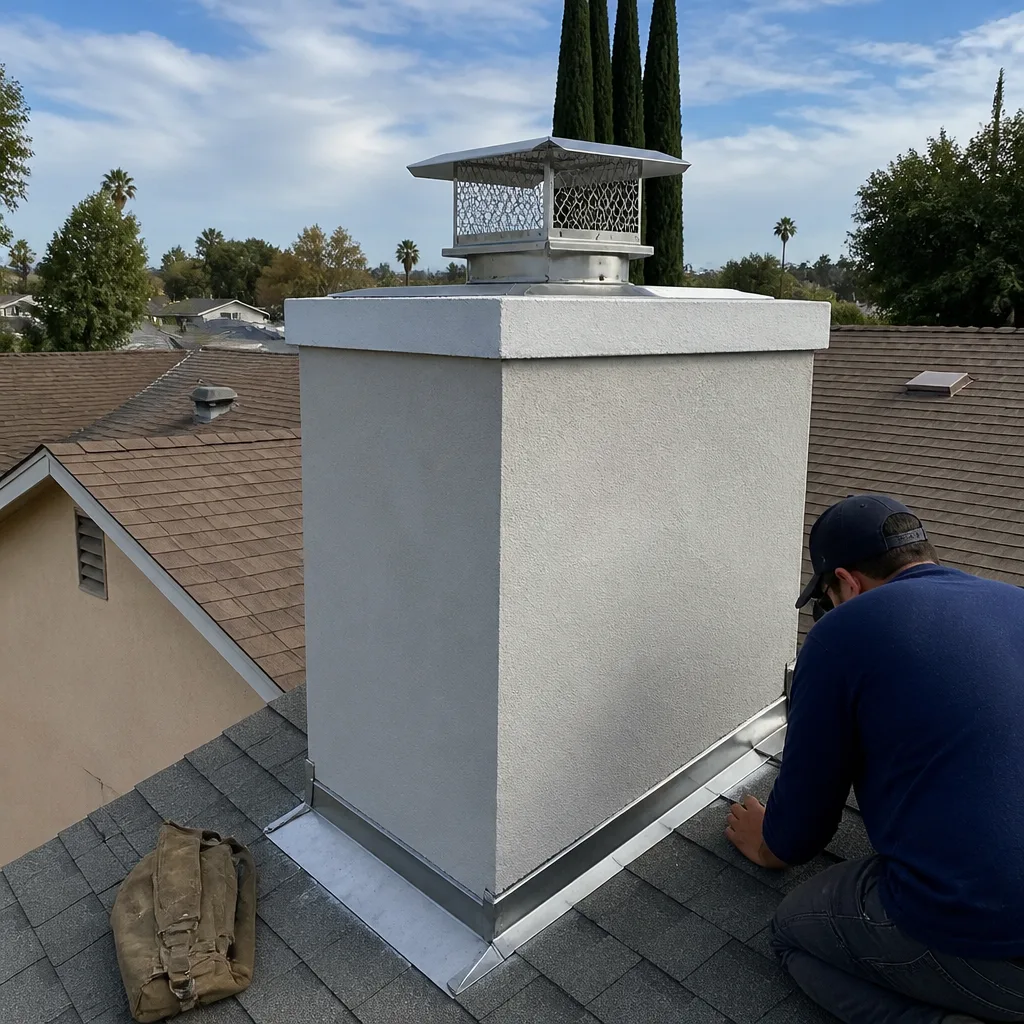
- Spec-grade example: Olympia Chimney and Copperfield both manufacture caps in 24-gauge stainless steel with welded corners and mechanical fastening systems. These caps are rated for specific wind zones and won’t warp under repeated thermal cycling.
- What to avoid: Caps with glued or crimped corners, thin mesh that tears when you touch it, or painted steel that rusts at the first rain. A cap that rusts through in 3 years sends debris into the flue and eventually needs replacement, which means paying for removal and installation twice.
Crown Coatings and Sealants
- What matters: Flexibility rating, UV resistance, and water permeability.
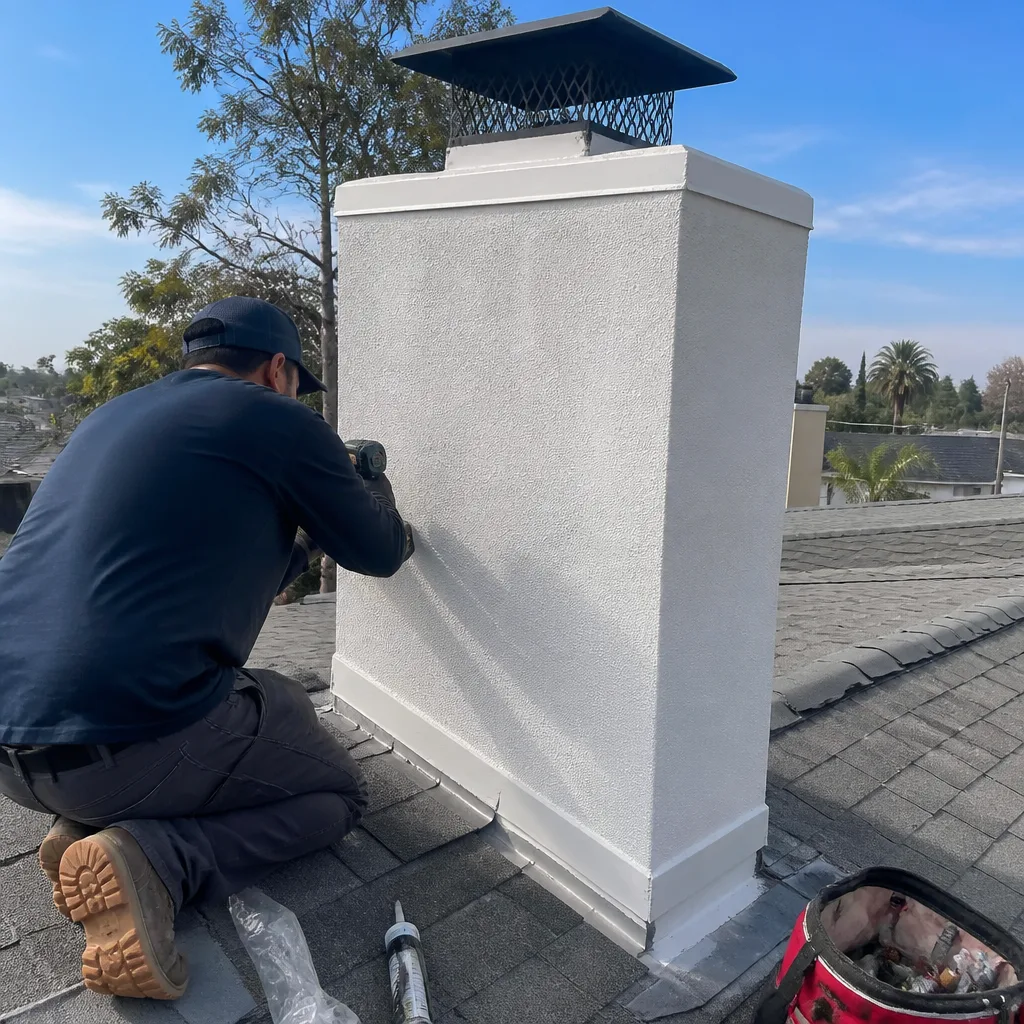
- What to look for: A crown coat that remains flexible enough to bridge small cracks as the masonry expands and contracts. Northridge sees temperature swings of 40-plus degrees between day and night during winter, and a rigid coating will separate from the crown within a season or two. Professional-grade coatings are formulated for this specific stress.
- What to avoid: Generic silicone or roofing tar applied to the crown. Both products break down under UV exposure and chimney temperatures. They’re cheap, but they fail quickly and often trap moisture against the masonry, making the original problem worse.
Liner Systems
- What matters: Alloy grade, insulation rating, and manufacturer testing documentation.
- Spec-grade example: DuraFlex manufactures stainless steel liner systems in multiple alloys, each designed for a specific fuel type. A wood-burning fireplace needs a different alloy than a gas insert because wood produces acidic creosote that corrodes standard stainless. Generic liner kits often use a single alloy regardless of fuel, which shortens service life significantly.
- What to avoid: Any liner sold without a manufacturer’s specification sheet showing the alloy and intended fuel type. If the contractor can’t tell you whether the liner is 316L or 304 stainless, that’s a red flag.
Dampers
- What matters: Seal quality, mechanical durability, and compatibility with your flue size.
- What to look for: A damper with a mechanical linkage that won’t bind, a seal that actually closes off the flue when you’re not using the fireplace, and a manufacturer that publishes size specifications. Famco manufactures dampers with cast iron frames and machined linkages that hold their adjustment over years of use.
- What to avoid: Thin-gauge dampers that warp after one season of heat exposure. A warped damper wastes conditioned air year-round, and in a Northridge summer, that means your AC runs harder because heat and humidity are entering through the chimney.
Why Generic Components Fail at the Same Rate Regardless of Installation
Here’s a counterintuitive reality we see in the field: a poorly made part installed perfectly still fails early. The failure isn’t a workmanship problem, it’s a material problem. A generic chimney cap made from 30-gauge painted steel will rust through in 4 to 6 years no matter how carefully it’s fastened to the flue. The paint fails, the steel oxidizes, and the cap deteriorates. Nothing the installer did wrong, everything the product was destined to do.
This matters for two reasons:
- Warranty coverage is meaningless if the manufacturer doesn’t stand behind the product. Generic chimney parts sold through big-box retailers typically carry a 30-day return policy and nothing else. Spec-grade brands like Olympia Chimney and Copperfield publish warranty terms, maintain U.S.-based customer service, and actually process claims when a product fails prematurely. In 10 years of installing parts in Northridge homes, we’ve seen spec-grade manufacturers replace defective components without argument. We’ve never once seen a generic supplier do the same.
- Replacement costs double when you pay twice. The labor to install a chimney cap is the same whether the cap costs $40 or $180. When the $40 cap fails in 4 years, you pay that labor again. The $180 cap that lasts 15 years cost you $180 total. The $40 cap that gets replaced twice cost you $120 in parts plus labor three times. That’s not savings, that’s deferred expense.
When a contractor installs unbranded parts, they’re transferring the product risk to you without telling you. Specification-grade parts transfer that risk to the manufacturer, who has both the testing data and the financial incentive to build the product right.
How to Ask About a Contractor’s Supply Chain Without Sounding Adversarial
Most homeowners avoid asking contractors what brands they stock because they don’t want to sound confrontational. Here’s the thing: a professional who uses specification-grade materials will be glad you asked. It’s the contractors who stock generic parts that get defensive.
Here are five questions that reveal a contractor’s supply chain quality, phrased so they feel collaborative rather than accusatory:
- “What brand of cap do you typically install?” A spec-grade contractor answers with a name: Olympia Chimney, Copperfield, Famco. A generic-supply contractor says “whatever works” or “a few different ones.” That answer tells you everything.
- “Is that product UL-listed?” Spec-grade contractors know the answer immediately because they’ve read the spec sheet. If you get hesitation or a vague “everything is safe,” that’s a sign the contractor doesn’t know what they’re installing.
- “What’s the warranty on that liner, and does the manufacturer process claims directly?” DuraFlex and similar manufacturers publish warranty terms and have claim processes. Generic liners usually mean the contractor handles “warranty” themselves, which effectively means no warranty.
- “Why do you use that brand instead of what’s at the hardware store?” This question separates genuine expertise from price-driven purchasing. A contractor who can explain the alloy difference in liners or the gauge difference in caps actually understands their materials. A contractor who says “it’s all the same” is telling you they don’t.
- “Can you show me the manufacturer’s spec sheet?” Professional contractors keep these on file. They’re not asking you to trust their opinion, they’re showing you the manufacturer’s documentation. This is the single highest-integrity answer a contractor can give.
None of these questions are rude. They’re the questions any homeowner should ask before someone installs components that will be on their home for the next decade or more. If a Northridge contractor can’t answer them, call someone who can.
The Long-Term Cost Math: Spec-Grade vs. Generic in Northridge Conditions
Let’s put real numbers on this. The following table assumes typical Northridge conditions: annual chimney sweep, occasional repair work, and a home with a wood-burning fireplace used 30 to 40 times per year.
| Component | Generic Cost (Parts + Labor) | Generic Service Life | Spec-Grade Cost (Parts + Labor) | Spec-Grade Service Life | 10-Year Cost Comparison |
|---|---|---|---|---|---|
| Chimney Cap | $60 installed | 4 – 6 years | $180 installed | 12 – 18 years | Generic: $180 – $240 vs. Spec: $180 |
| Crown Coat | $150 applied | 2 – 3 years | $350 applied | 8 – 12 years | Generic: $450 – $750 vs. Spec: $350 |
| Stainless Liner | $2,000 installed | 8 – 10 years | $2,800 installed | 20 – 25 years | Generic: $2,500 – $4,000 vs. Spec: $2,800 |
| Top-Mount Damper | $225 installed | 5 – 7 years | $400 installed | 15 – 20 years | Generic: $450 – $675 vs. Spec: $400 |
These numbers reflect what we see across Northridge neighborhoods, from the older ranch homes north of Devonshire to the newer construction near CSUN. The pattern is consistent: the spec-grade part costs 50 to 100 percent more upfront but lasts 2 to 3 times longer. Over a 10-year ownership window, the cheaper part is almost always more expensive.
There’s also a hidden cost in the generic option: each replacement means someone gets on your roof again, which means another opportunity for incidental damage, another scheduling hassle, and another period where your chimney isn’t fully protected. The spec-grade part quietly does its job for 15 years, and you forget about it. That’s the point.
Why Northridge Climate and Code Make Brand Choice Matter More Here
Northridge sits in a specific microclimate within the San Fernando Valley. We get sustained heat from May through October, with summer temperatures regularly exceeding 100 degrees. We also get Santa Ana winds that arrive in the fall and drive sustained gusts across the Valley floor. Both conditions stress chimney components in ways that don’t apply in coastal or northern California markets.
The heat matters because chimney caps, dampers, and crown coatings expand and contract daily. A 40-degree temperature swing between day and night is common in Northridge during the winter, and the thermal cycling is relentless. Cheap materials fatigue under this cycling. Welds crack, sealants separate, and paint fails. Spec-grade products are designed and tested for exactly this kind of stress.
The wind matters for two reasons. First, Santa Ana winds push debris across the Valley, and your chimney cap is the first line of defense against leaves, twigs, and the occasional palm frond. A cap with fine mesh keeps debris out while allowing proper draft. A cheap cap with coarse mesh lets debris in, which means more frequent sweeping and a higher fire risk between cleanings. Second, wind load on a chimney cap is a real engineering consideration. A properly sized and fastened spec-grade cap stays put in 60-mph gusts. A generic cap with weak fasteners can shift or detach, which is both a safety hazard and a path for water entry.
Local code also matters. Chimney work in Los Angeles County must meet specific requirements for spark arrestors on wood-burning fireplaces. Spec-grade caps from brands like Olympia Chimney and Copperfield are manufactured with spark arrestor screens that meet these requirements. Generic caps may or may not comply, and the burden of verification falls on the homeowner who usually has no idea what to check for. When you work with a contractor who stocks spec-grade materials, code compliance is part of the product, not a separate question.
The Full-Service Advantage: Why Cleaning and Repair Should Share a Supply Chain
Most chimney sweeps in Northridge do one thing: they clean chimneys. When they find a problem, which happens often, they refer you to someone else. That referral might be good, but it might not be, and either way, you’re now coordinating two vendors for what should be one continuous service.
There’s a specific advantage to working with a company that handles both sweeping and repair under one roof: supply chain continuity. When our technicians find a cracked flue tile during a sweep, we source the repair materials from the same professional-grade brands we trust for everything else. The chimney repair in Northridge work uses DuraFlex liners, HeatShield resurfacing materials, and Olympia Chimney components. Same standards, same quality, no gaps between inspection and correction.
HeatShield deserves a specific mention here because it represents a capability most single-trade sweeps simply don’t offer. HeatShield is a factory-certified flue liner restoration system that resurfaces deteriorated clay tile liners without requiring full liner replacement. In older Northridge homes, where the original clay tiles may be cracked or spalled after decades of use, HeatShield can restore the flue to safe operating condition at a fraction of the cost of a full stainless liner installation. It’s not the right solution for every chimney, but when it is, it saves thousands of dollars and avoids major demolition work.
The same logic extends to dryer vents. Your clothes dryer exhausts through a vent that accumulates lint with every load, and a clogged dryer vent is a leading cause of residential structure fires according to NFPA data. Most chimney companies don’t touch dryer vents. We do, because the fire safety logic is identical: clear the pathway, verify the airflow, document what was found. Dryer vent cleaning in Northridge is a standalone service, but it operates on the same principle as chimney sweeping: remove the fuel, eliminate the risk.
One call covers your chimney sweep, vent cleaning, and any repair work, no subcontractors, no runaround. That’s not a convenience pitch, it’s a supply chain statement. The company that inspects your chimney is the same company that repairs it, using the same branded materials throughout.
Common Mistakes to Avoid
- Assuming the cheapest quote is the best value. In Northridge, the difference between a $89 sweep and a $199 sweep usually isn’t labor cost, it’s what happens when the technician finds a problem. Cheap operators either don’t have the expertise to identify issues or don’t have access to quality repair materials. Either way, the savings evaporate when you pay someone else to redo the work.
- Not asking about the products being installed. Most homeowners would never let a contractor install an unbranded water heater, but they’ll accept an unbranded chimney cap without a second thought. The cap is on your roof for 15 years. Ask what it is.
- Treating liner replacement as the only option for flue damage. If a sweep tells you the flue needs replacement, get a second opinion from someone qualified to assess whether HeatShield resurfacing is viable. Full relining is sometimes necessary, but it’s not always the only fix, and a contractor who only knows how to sell liners will recommend liners.
- Ignoring the dryer vent because it’s not part of the chimney. Your dryer vent is a fire hazard hiding in plain sight. It’s a separate system, but it’s the same fire-safety principle, and any home with a fireplace should consider vent cleaning as part of the same maintenance routine.
- Choosing a contractor based on review count alone. Review counts can be gamed, and a high volume of generic five-star reviews says nothing about the contractor’s supply chain or repair capabilities. Look for reviews that describe specific work: what was found, what was fixed, what materials were used.
- Skipping the crown inspection during a sweep. The crown is the flat concrete surface at the top of the chimney, and it’s the first line of defense against water entry. Crown damage is one of the most common issues in Northridge chimneys, and it’s invisible from ground level. Any competent sweep should inspect and report on crown condition during every service.
- Deferring maintenance because the fireplace still works. A chimney can be unsafe without showing any obvious symptoms. Creosote accumulates silently, flue tiles crack gradually, and by the time you see smoke backing up or smell odors, the system may already be compromised. Annual inspection and sweeping is the cheapest insurance against this.
When to Call a Professional
If you haven’t had your chimney inspected in the past 12 months, schedule a sweep. If you’ve noticed a burning smell, smoke entering the room, or animals in the flue, call sooner. If you bought a home with an existing fireplace and have no documentation of recent service, assume the chimney needs inspection before the first fire of the season. If your dryer has been running longer cycles or the exterior vent flap isn’t opening properly, that’s a vent cleaning issue waiting to become a fire hazard. Chimney Sweep Northridge offers free estimates in Northridge, call (833) 589-9223 to schedule an inspection. We’ll explain what we find, show you why it matters, and repair it with materials built to last.
Frequently Asked Questions
A standard chimney sweep in Northridge typically costs between $150 and $250 for a single-flue fireplace, with additional charges for multi-flue systems, heavy creosote buildup, or animal removal. The exact price depends on chimney condition, accessibility, and what the sweep includes. Call (833) 589-9223 for a free estimate based on your specific chimney.
Professional chimney contractors in Northridge typically stock components from manufacturers like Olympia Chimney, Famco, Copperfield, and DuraFlex. These brands publish specifications, carry UL listings and ASTM ratings, and maintain warranty programs. Contractors who use generic or unbranded parts usually do so to save money, not to benefit the client.
Not every compromised liner needs full replacement. Cracked or spalled clay tile liners can often be restored using HeatShield resurfacing technology, which applies a factory-certified ceramic coating inside the existing flue. This restores the liner to safe operating condition without the cost and disruption of full relining. A proper camera inspection is the only way to determine which option applies to your chimney.
The National Fire Protection Association recommends annual chimney inspection and cleaning as needed. For Northridge homeowners who burn wood regularly during the winter, that typically means a sweep every year. Gas fireplace chimneys can often go 2 to 3 years between sweeps, but annual inspection is still recommended because vent issues develop gradually without obvious symptoms.
Creosote builds up on the flue liner with every wood fire, and creosote is combustible. When the buildup reaches 1/4 inch or more, any hot fire can ignite it, causing a chimney fire that reaches temperatures hot enough to crack masonry and spread to the home structure. Even without a fire, heavy creosote restricts draft, pushes smoke into the living space, and accelerates liner deterioration. Annual cleaning removes this fuel source and keeps the system operating safely.
Yes. Lint accumulates inside dryer vents even when the dryer appears to be working normally, and restricted airflow means the dryer runs hotter and longer to do the same job. That heat builds up in the vent, and lint is the fuel. According to NFPA data, clothes dryers are involved in thousands of residential fires each year, and the leading cause is failure to clean the vent. If your dryer has been taking longer to dry clothes, the vent is already partially clogged.
The Bottom Line
The right chimney cleaning brand for Northridge homeowners isn’t about marketing, it’s about materials. Specification-grade components from manufacturers like Olympia Chimney, Copperfield, Famco, and DuraFlex are engineered to published standards, tested for safety and performance, and backed by real warranties. Generic substitutes fail faster, offer no meaningful warranty, and end up costing more through repeated replacement. When you’re evaluating a chimney contractor, ask what they install, why they chose those brands, and whether they can show you the spec sheets. The answers tell you everything you need to know about how they’ll treat your chimney. If you’re in Northridge and want an inspection from contractors who work with spec-grade materials every day, call (833) 589-9223 for a free estimate.
Written by the team at Chimney Sweep Northridge, serving Northridge since 2012.
See the difference
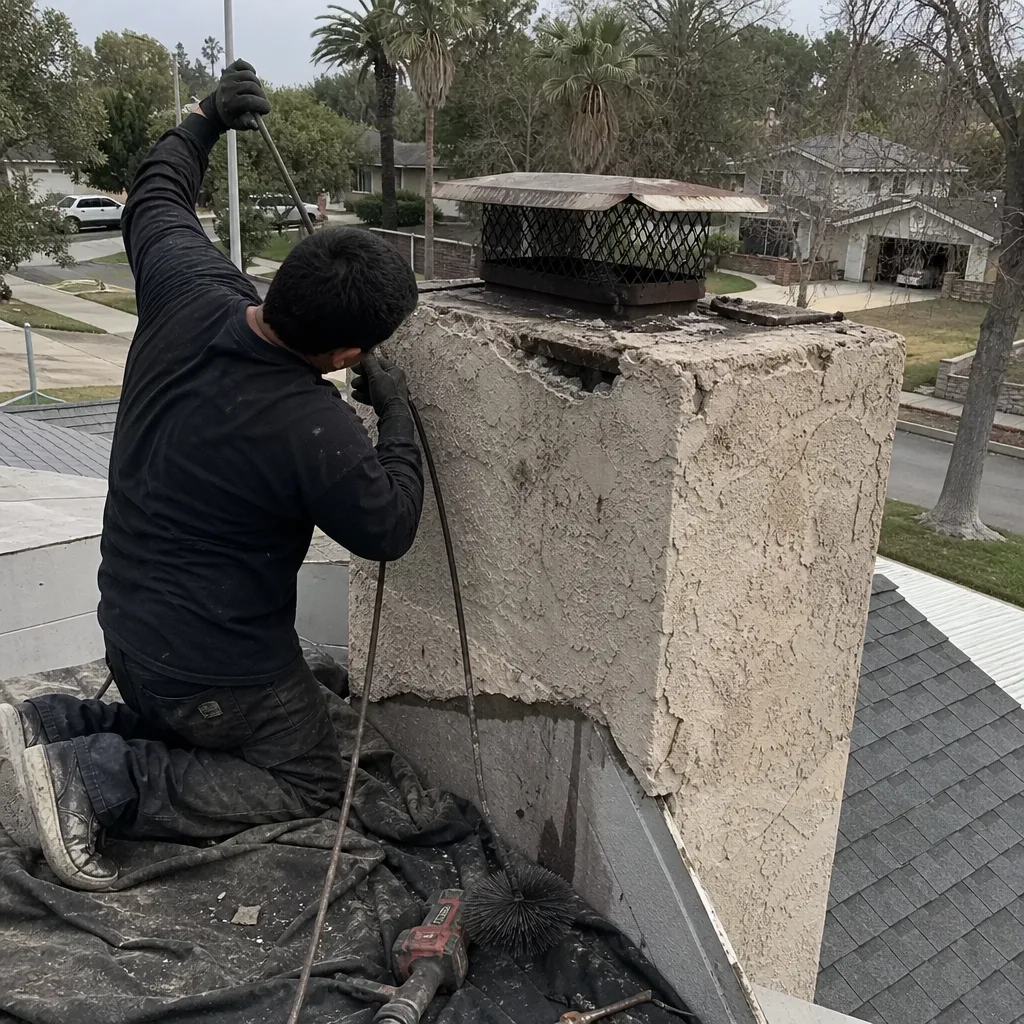 Before
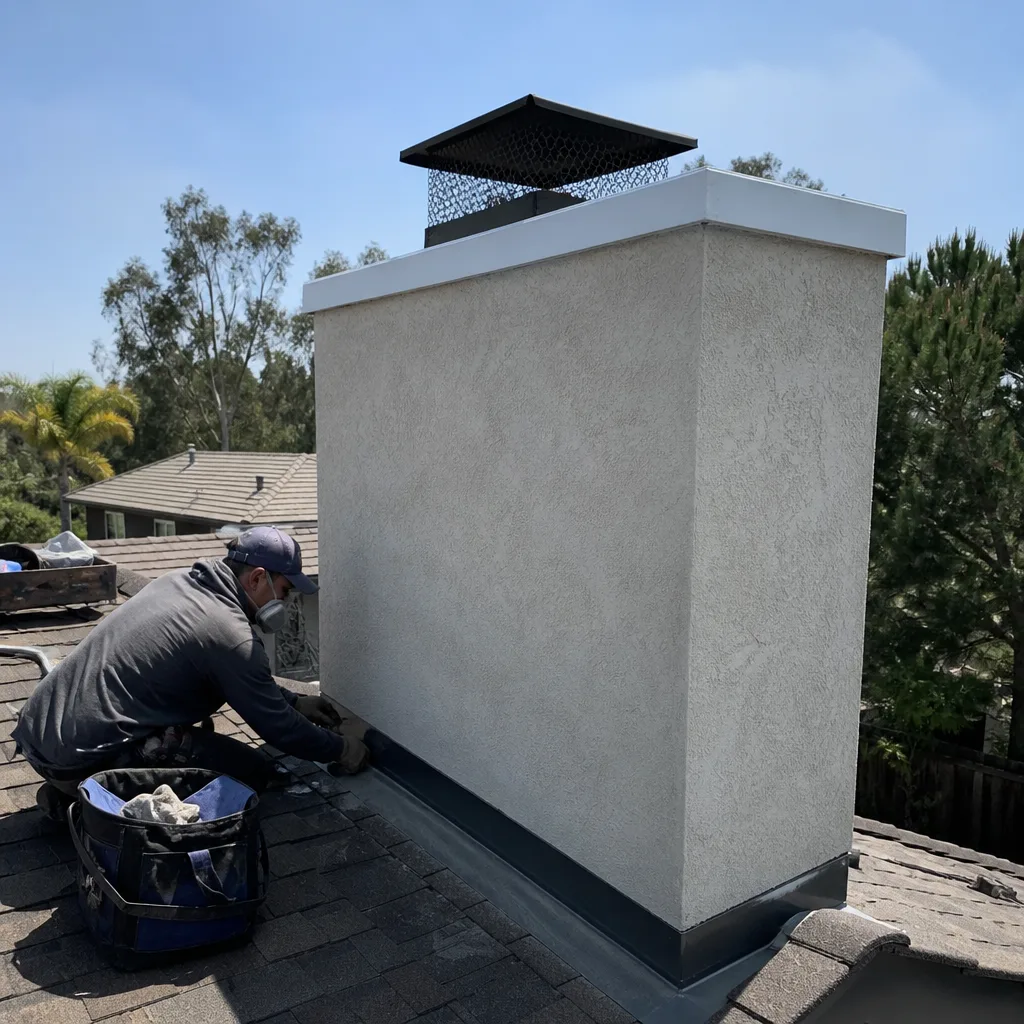 After
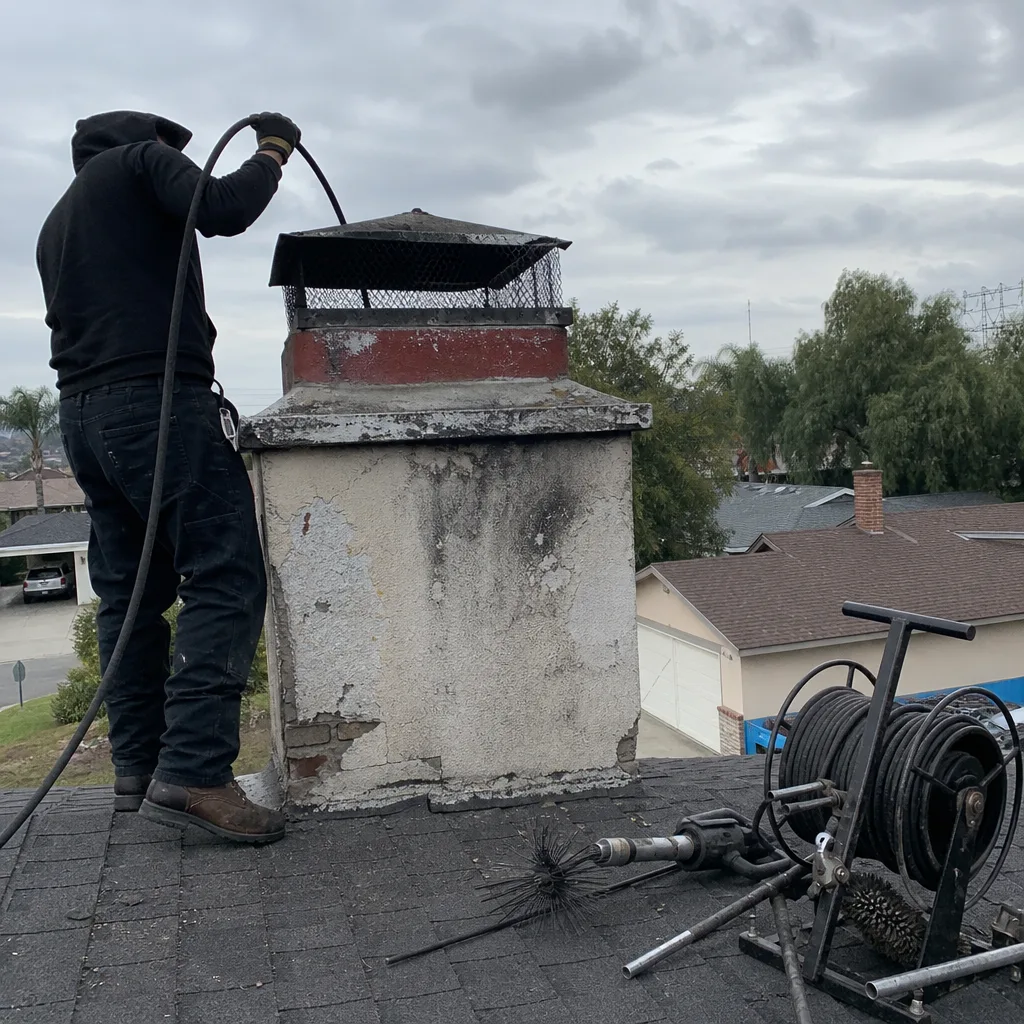 Before
 After
 Before
 After